
Why K-pop Agencies Now Sue Fans and Trolls Alike
A wave of 2025–2026 criminal complaints, court fines, and one high-profile 2024 lawsuit shows how suing over online comments went from rare PR gesture to standard agency procedure in Korea.

The contract dispute that changed how fans read K-pop labour news.
7 stories
A wave of 2025–2026 criminal complaints, court fines, and one high-profile 2024 lawsuit shows how suing over online comments went from rare PR gesture to standard agency procedure in Korea.
Point choreography is commissioned after a song is already finished — the real decision happens earlier, when an agency picks which track gets to be the title track at all.
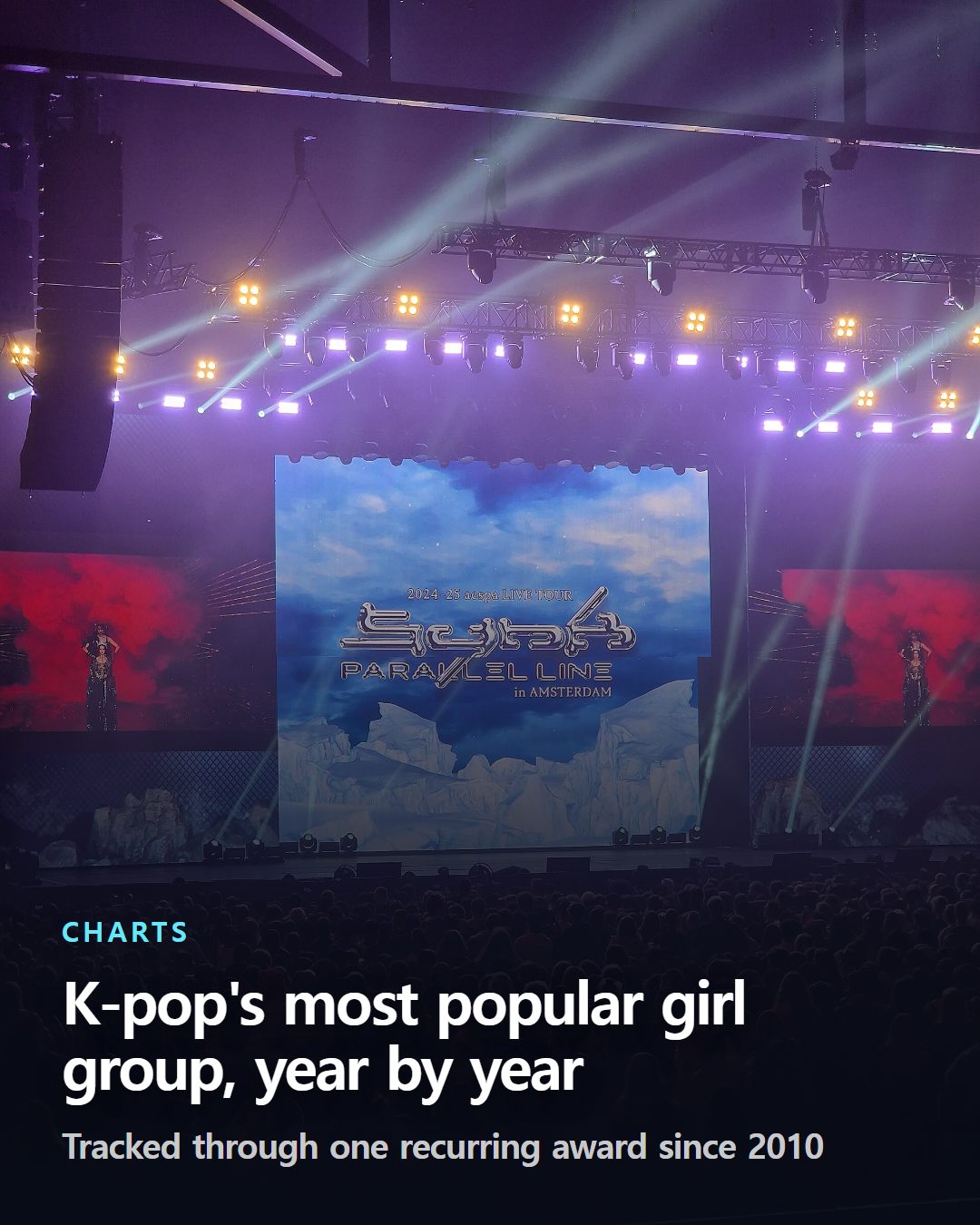
Tracing one recurring award from 2NE1 in 2010 to aespa in 2025 shows the crown for Korea's most popular girl group has changed hands six times, and why the domestic and global answers rarely match.
K-pop choreographers are usually paid once for a routine that can earn an idol group hundreds of millions of views, and a 2024 plagiarism dispute finally forced the industry to ask why.
K-pop groups don't end for one reason — a legal seven-year cap, a scheduled project deadline, a quiet non-renewal, a contract lawsuit, or a fade with no announcement at all each look identical from outside Korea.
In Korea, an idol's group name and even their personal stage name are usually trademarks owned by the agency, not the performer — so leaving the company can mean losing the name too.
Long, unexplained breaks by Korean stars are usually driven by contract disputes, agency-confirmed health rest, or mandatory military service, not hidden scandals.
What Korea is talking about today — with the context that does not make it into the English headlines.