
'Somebody' ending explained: why the finale still splits viewers
Why the finale of Netflix's Korean dating-app thriller 'Somebody' reads as satisfying revenge to some viewers and as a moral dead end to others.
25 stories
Why the finale of Netflix's Korean dating-app thriller 'Somebody' reads as satisfying revenge to some viewers and as a moral dead end to others.

Korea grades TV violence and streaming violence under two different laws, and only one of them lets the platform rate its own content.
In Korean disaster films the zombie, virus, or earthquake is only the trigger; the real story is always about the government or corporation that lied, hesitated, or fled first.
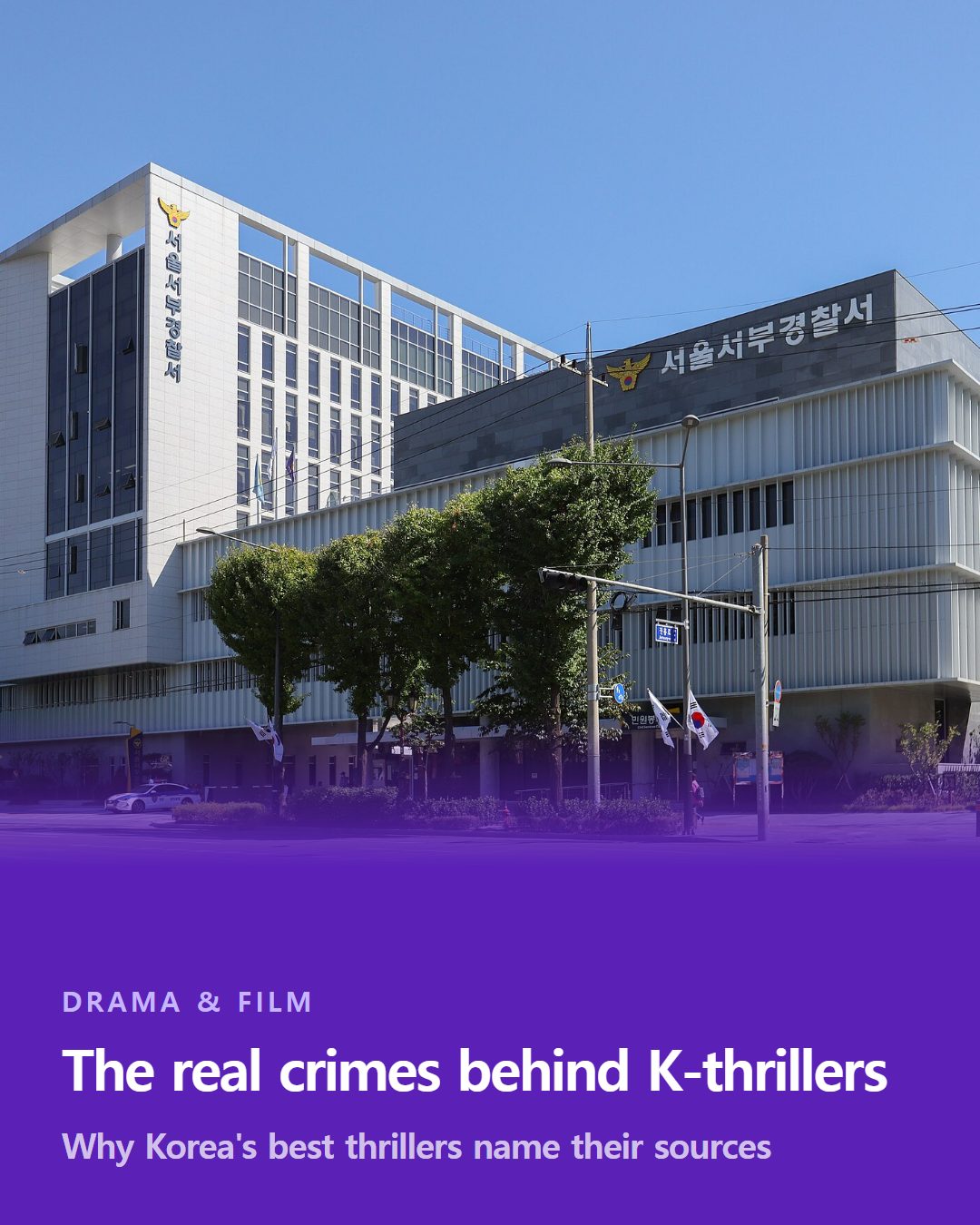
Readers will learn why a specific run of acclaimed Korean thrillers is tied to real unsolved or landmark crimes, and why that practice keeps producing both legal change and unresolved arguments with the people who lived through the originals.

How the Coupang Play thriller 'Anna' actually ends, and why the director who made it fought — and lost — a two-year legal battle over which version of the show was real.
Korean film and TV's recurring school-bullying revenge plots are pulled from real court cases and a juvenile-justice system viewers see as too lenient, not from a wish to warn students against bullying.

The reddening that flashes across a K-drama actor's eyes right before they cry is a real, documented technique — part physiology, part menthol, part decades of acting craft.
Tempest's finale reveals who was really behind the assassination that opened the show, settles the split fan theories about the operative known as 'Stella Young,' and leaves one lead's fate deliberately unresolved.

The plot, the ending, and the real K-pop trainee system and folklore that Korean viewers recognized instantly and international audiences mostly missed.
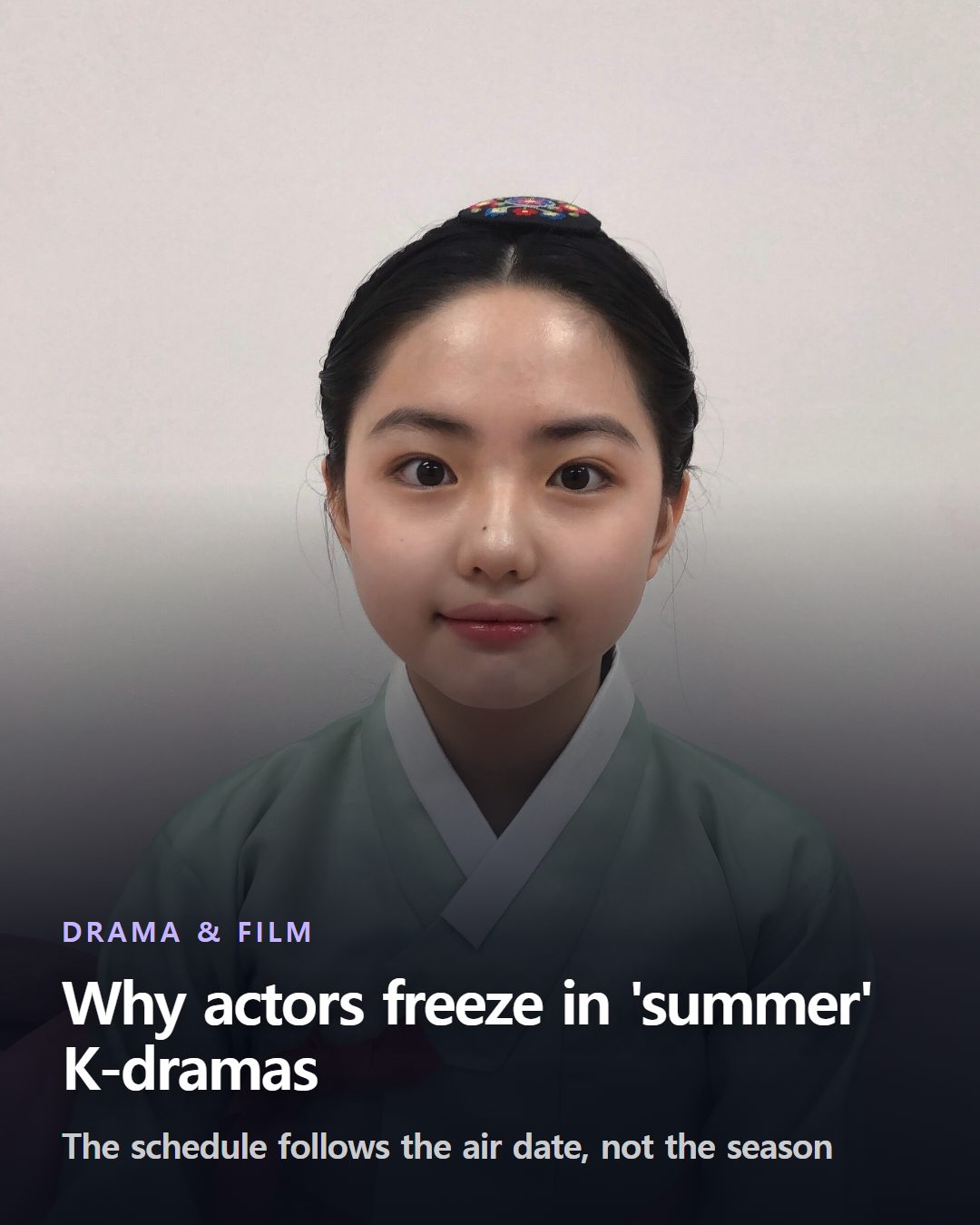
Korean dramas are filmed on a calendar set by the broadcast slot rather than the story's season, which is why casts shiver through 'summer' scenes shot in January.
Korean television runs two separate drama economies at once — one built to stretch as long as ratings allow, the other engineered to end in a fixed number of episodes — and that split, not genre, is why K-drama lengths vary so wildly.

The 16-episode K-drama is disappearing because production costs, advertising contracts, and streaming economics all quietly depended on that number — and none of them do anymore.
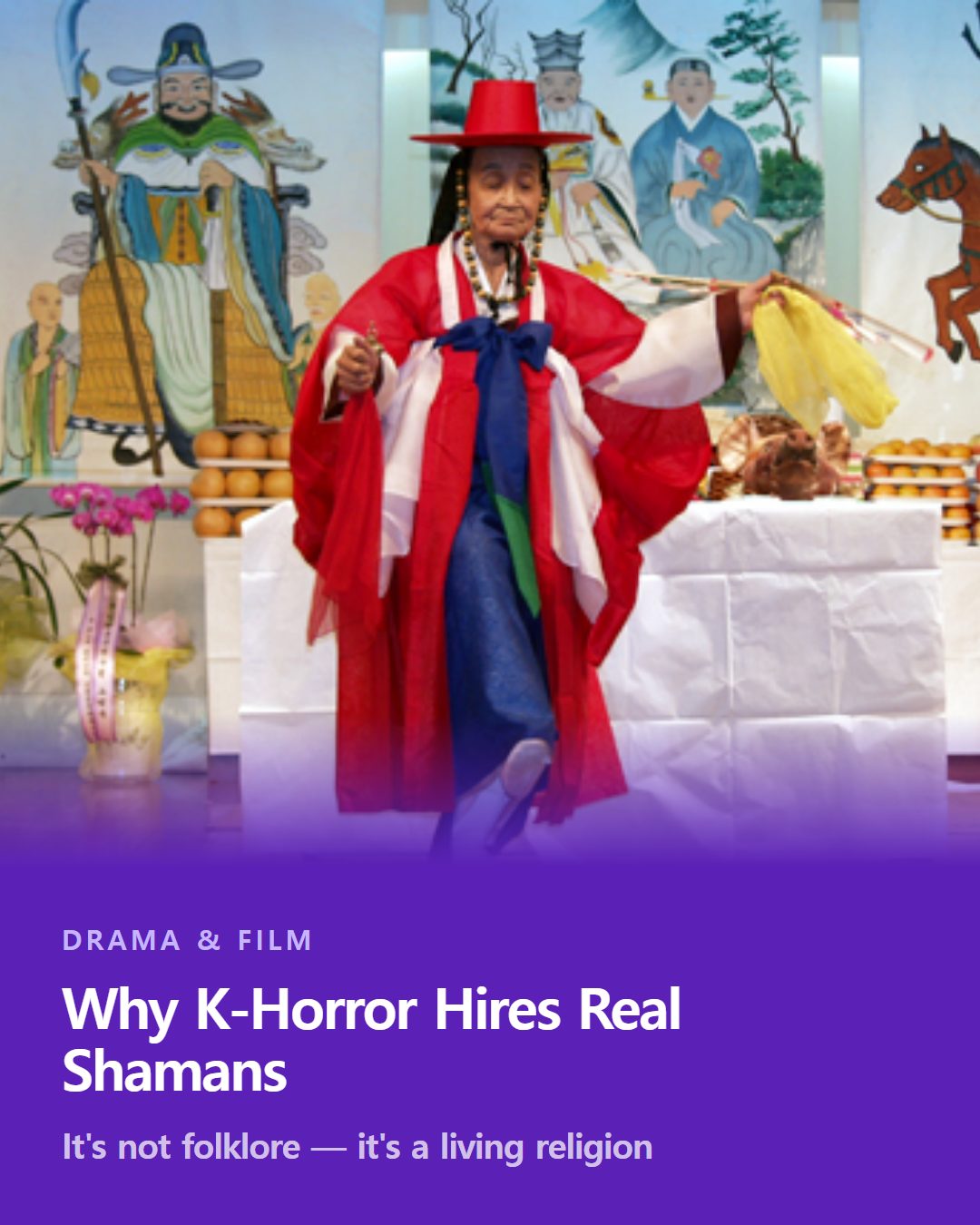
Korean horror's shaman scenes aren't genre invention — directors consult, and sometimes hire, practicing shamans whose religion survived two state campaigns to erase it.

The SBS legal drama's finale makes sense once you see how its callbacks, mirrored characters, and two parallel murders — all built without a source webtoon — set up Soo-jae's and Gong Chan's final choices.

Korea's broadcast regulator still pre-screens every terrestrial drama for violence, but streaming platforms answer to a separate 2023 law that lets them rate their own shows and skip that review entirely.
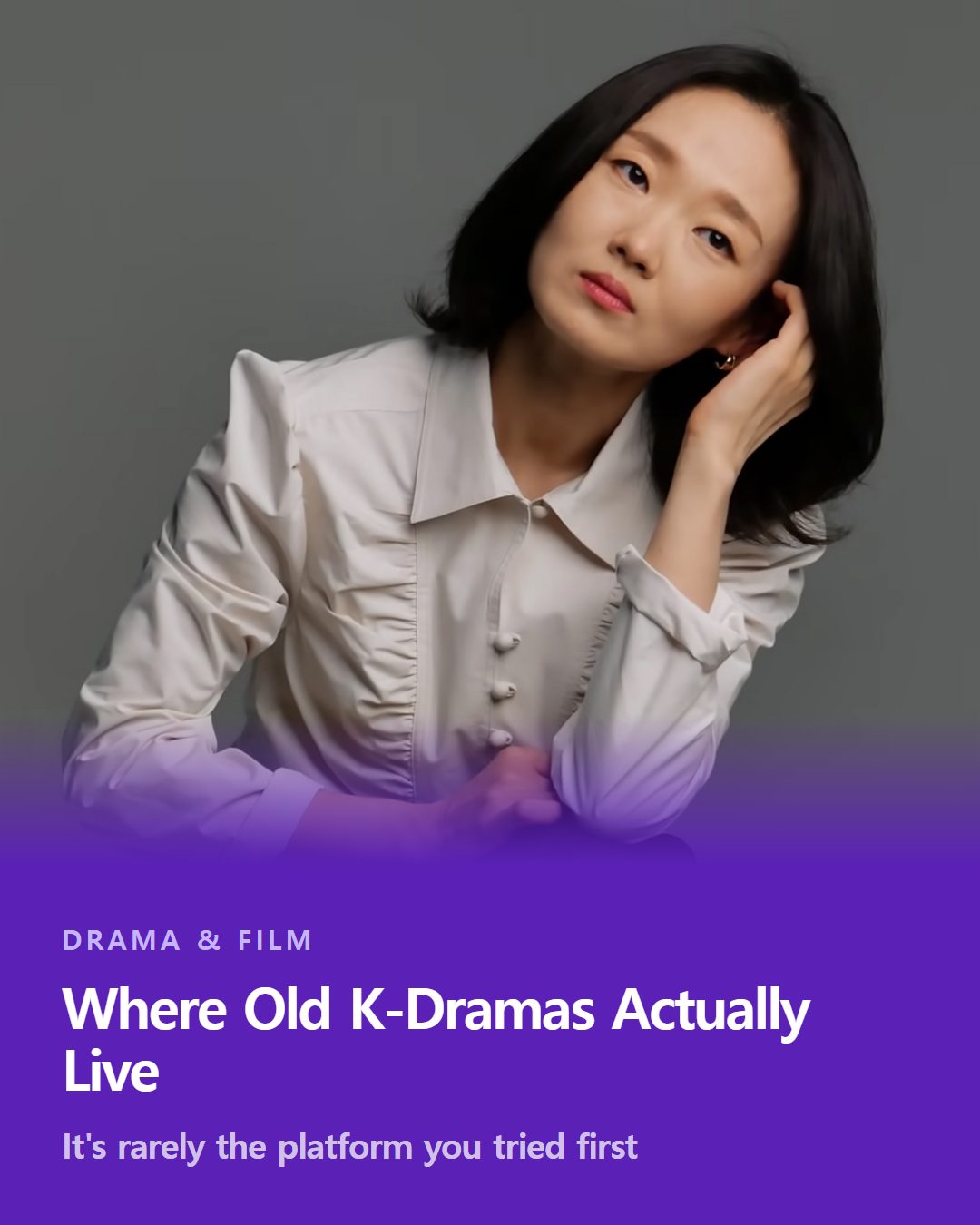
A practical map of where fans can legally find classic K-dramas that have quietly dropped off Netflix and Viki, and why the catalogs keep shifting.
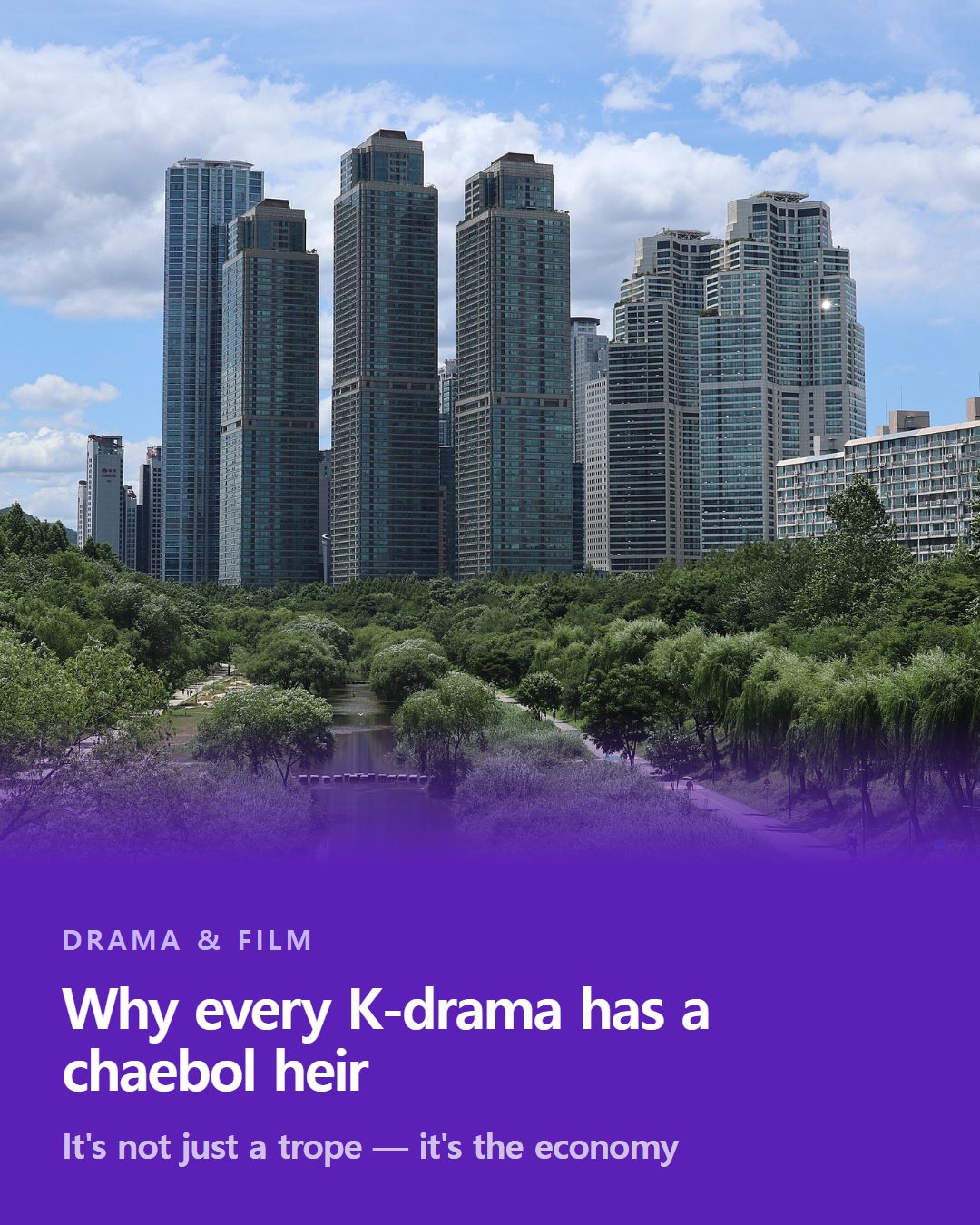
Korean dramas keep recycling the rich-heir story because South Korea's economy really is run by a handful of family dynasties, and the fantasy of marrying into — or getting revenge on — them speaks to real class anxiety at home.
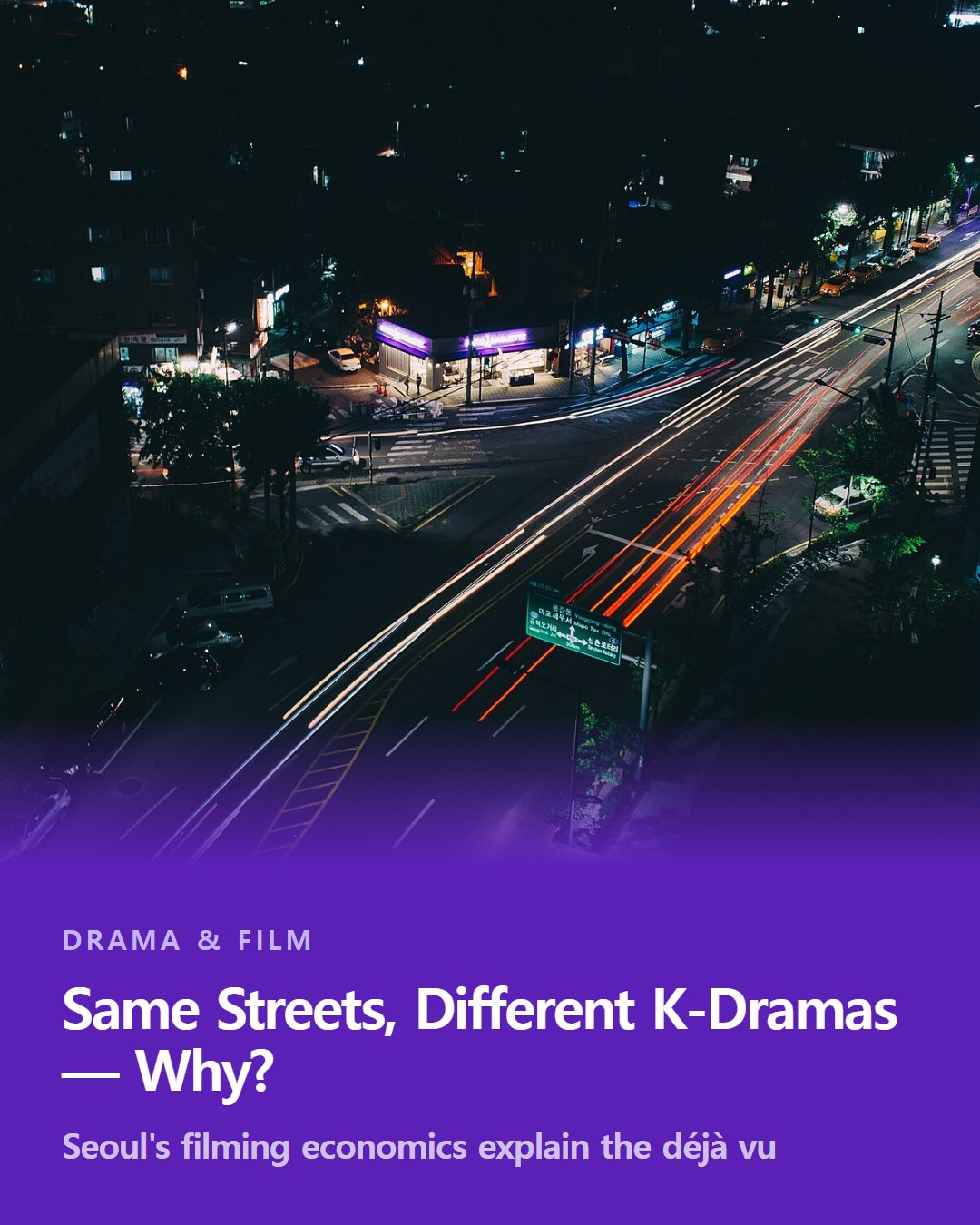
Seoul's location-filming subsidy, its door-to-door permitting culture, and district governments competing for tourist traffic explain why K-dramas keep returning to the same handful of streets.

The structural, economic reasons why Korean streaming dramas increasingly start as webtoons instead of original scripts — and why the platforms that own the comics now insist on producing the shows themselves.

Korean critics dismiss 'makjang' dramas as trash even as they break the country's television ratings records — here's what the word actually means and why the contradiction is the point.

The 'years later' epilogue that closes almost every Korean drama isn't lazy writing — it's a genre-wide promise to the audience, and international viewers can watch how badly things go when a show breaks it.
Korean films and Korean dramas come from the same industry but answer to two separate rating systems, funding models, and audiences — and that structure, not directorial taste, is why one genre goes for the throat and the other doesn't.
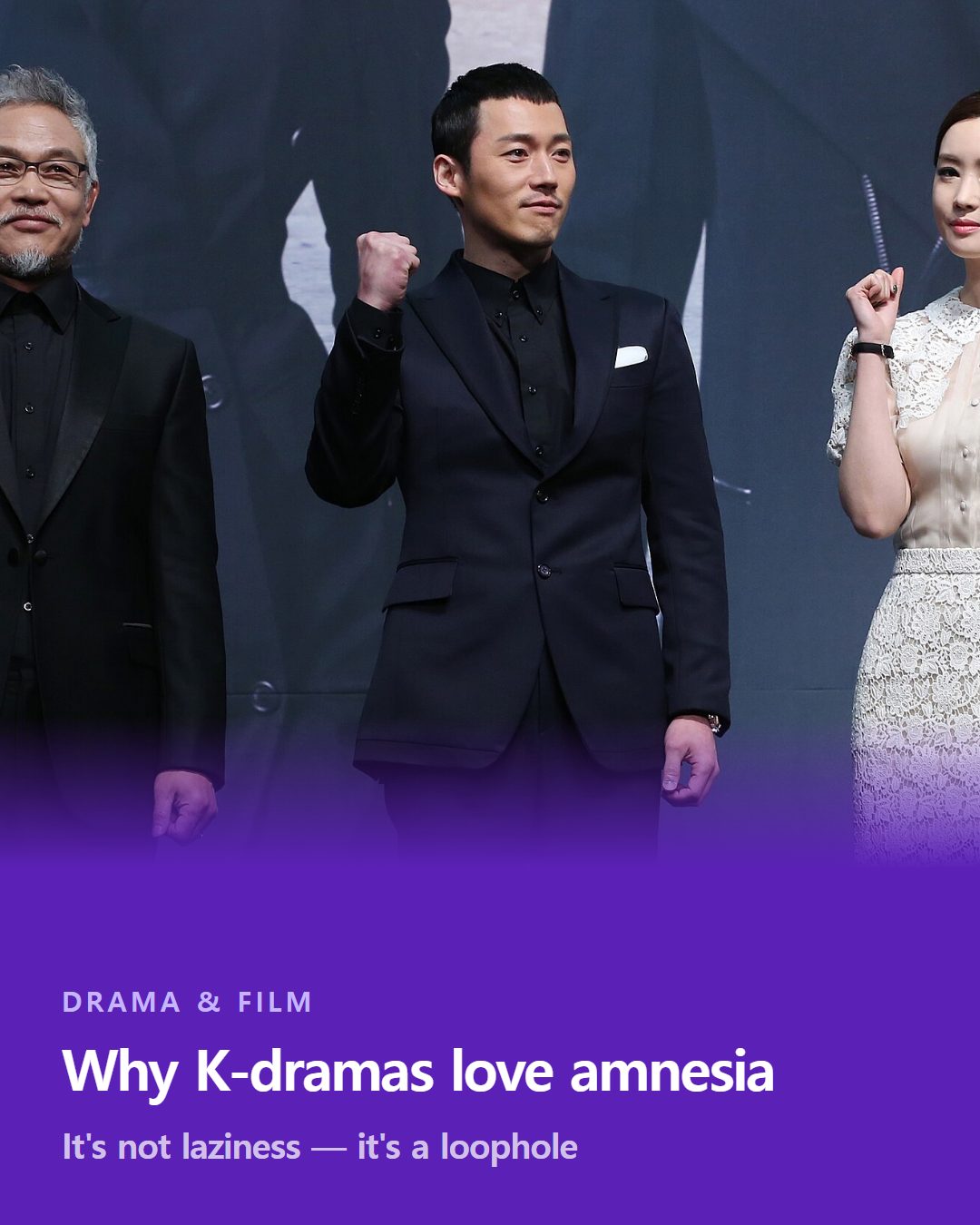
Amnesia in Korean dramas isn't just lazy writing — it's a 'no-fault' reset button that lets a melodrama's leads fall in love twice without anyone having to be blamed.

International viewers keep falling for the second lead in Korean dramas without knowing why he's built, structurally, to lose.

Korean broadcast norms rationed physical intimacy so tightly that carrying someone on your back became the most trusted way to show love without saying it.
What Korea is talking about today — with the context that does not make it into the English headlines.