
How Much Do K-pop Managers Actually Make?
Korean idol managers are salaried agency employees, not commission-earning representatives — and that single structural difference explains why their pay barely moves no matter how big their artist gets.
48 stories
Korean idol managers are salaried agency employees, not commission-earning representatives — and that single structural difference explains why their pay barely moves no matter how big their artist gets.

K-pop agencies almost never release new music the moment an idol leaves the army — they book a fan meeting first, and that gap is a deliberate two-step strategy, not a scheduling accident.
Why NCT was built as a group with no cap on members, why an executive team later killed that idea outright, and why its roster shrank instead of grew during its 10th-anniversary year.

A wave of 2025–2026 criminal complaints, court fines, and one high-profile 2024 lawsuit shows how suing over online comments went from rare PR gesture to standard agency procedure in Korea.
Korea's substitute holiday system gives some weekend-landing holidays a makeup weekday off and permanently excludes others, and the three-tier rule behind that split traces back to a decade of business-lobby compromises.
KCON LA's yearly complaints, from hi-touch bait-and-switches to rookie idols paying to perform, trace back to how the convention is actually funded.

Korea's weekly music shows each air on a different day and score comebacks with a different formula, which is why the choice of which show gets an act's first stage is a calculated part of chart strategy.
Korean drama episodes run long because a 1973 law banned commercials inside a program, while US network dramas are cut to fit ad breaks that were built into the hour from the start.

ZEROBASEONE's contract expiring in March 2026 split the group in two instead of ending it, and that split-not-shatter outcome is exactly how a K-pop 'project group' is designed to work.

International fans often read K-pop's obsession with debut age as vanity, but it traces back to a training pipeline, a military conscription clock, and a seven-year contract law.
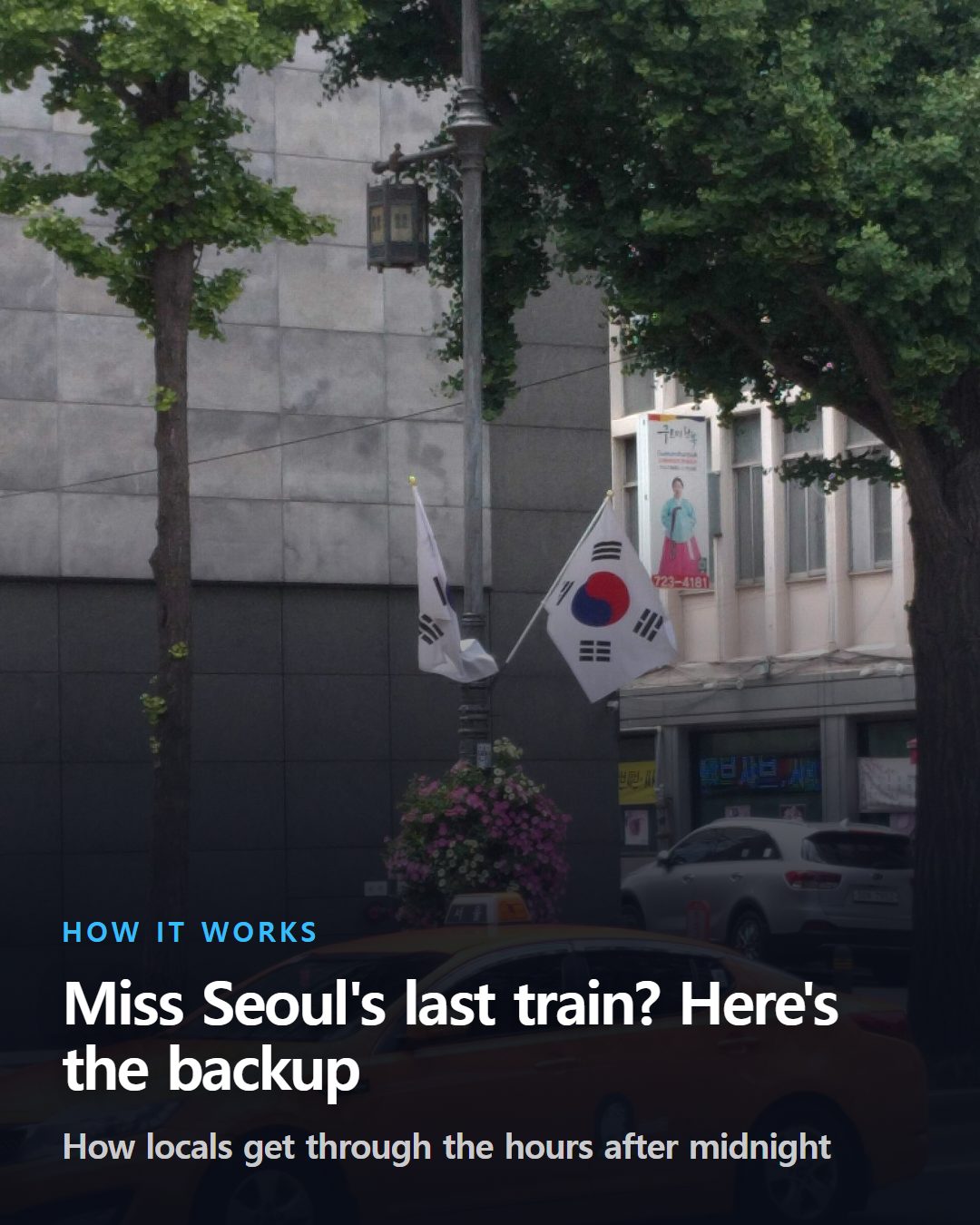
Missing Seoul's last subway train triggers a whole backup system international visitors don't know exists — night buses built from phone data, a taxi fare that rises and falls by the hour, and 24-hour bathhouses used as a real place to sleep.

International readers know K-dramas as tight 12-to-16-episode series, but Korean broadcasters still run a separate, ratings-funded category of dramas that stretch past 100 episodes.
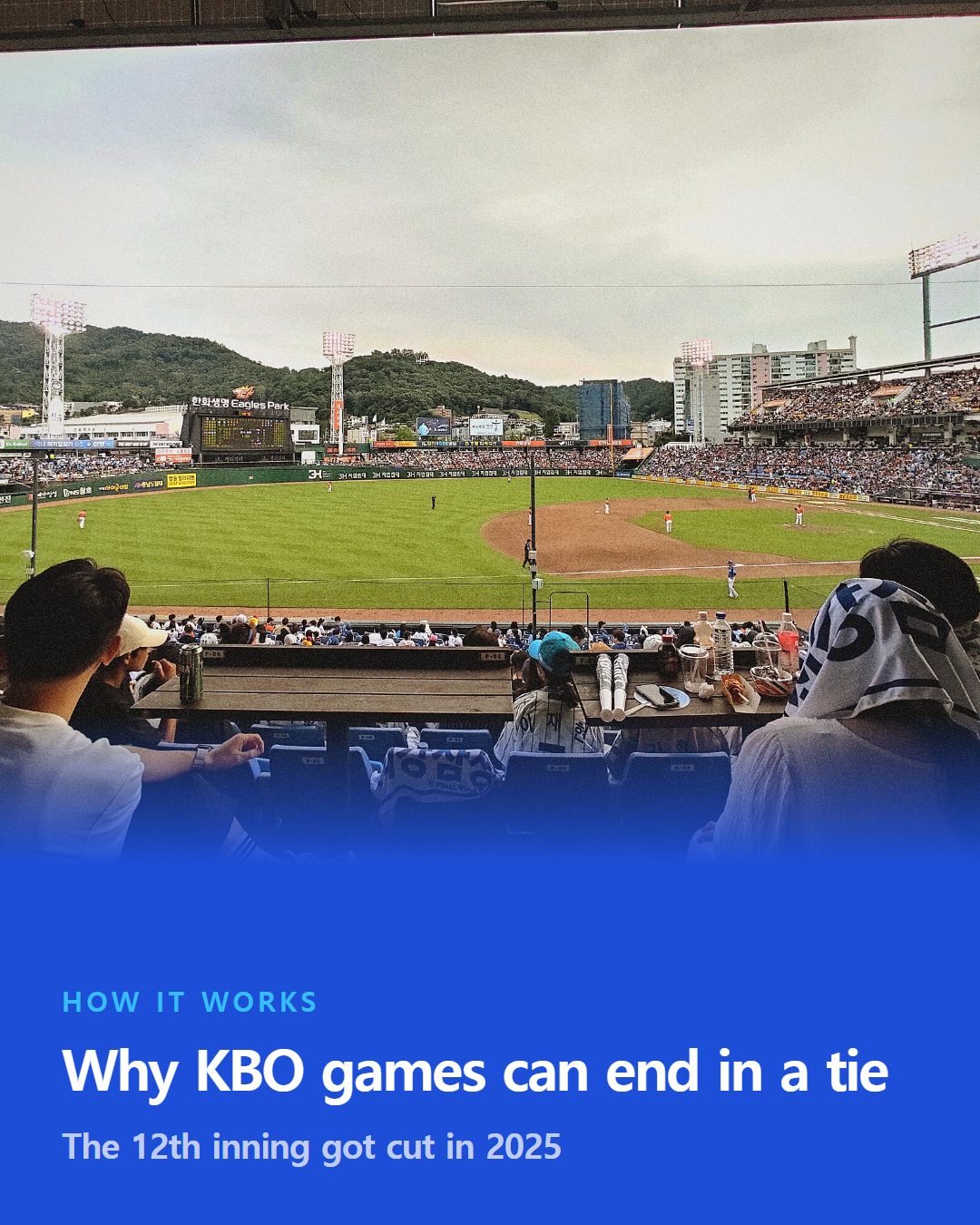
Since 2025 the KBO League calls a regular-season game a tie after 11 innings instead of 12, part of a pitch-clock overhaul that has already made Korean baseball's shortest average game in decades — and is already losing ground to a walks problem in 2026.
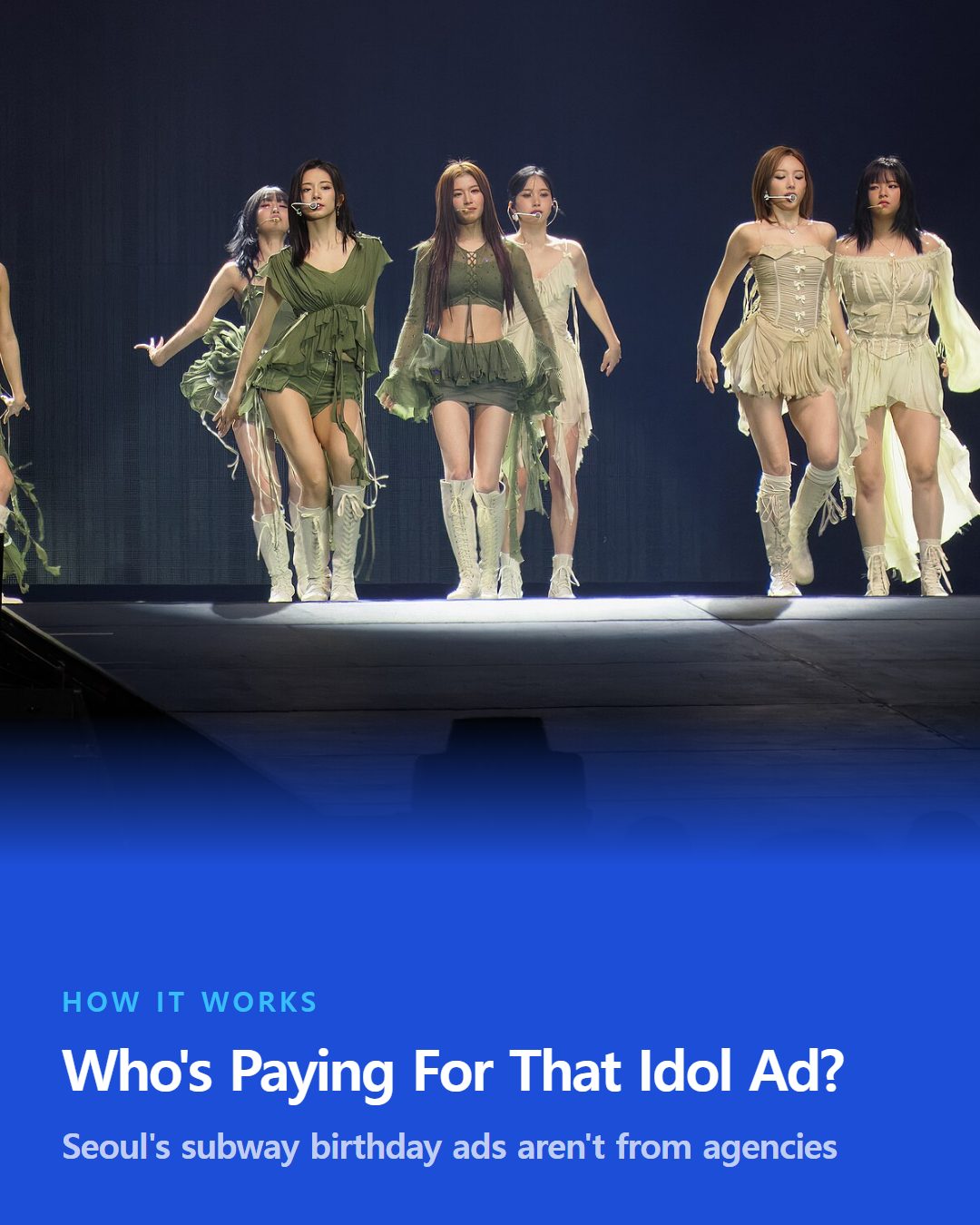
The glowing birthday ads for K-pop idols on Seoul's subway platforms are entirely fan-funded and agency-free, and Seoul Metro's own records show the volume grew roughly thirtyfold between 2014 and 2019.
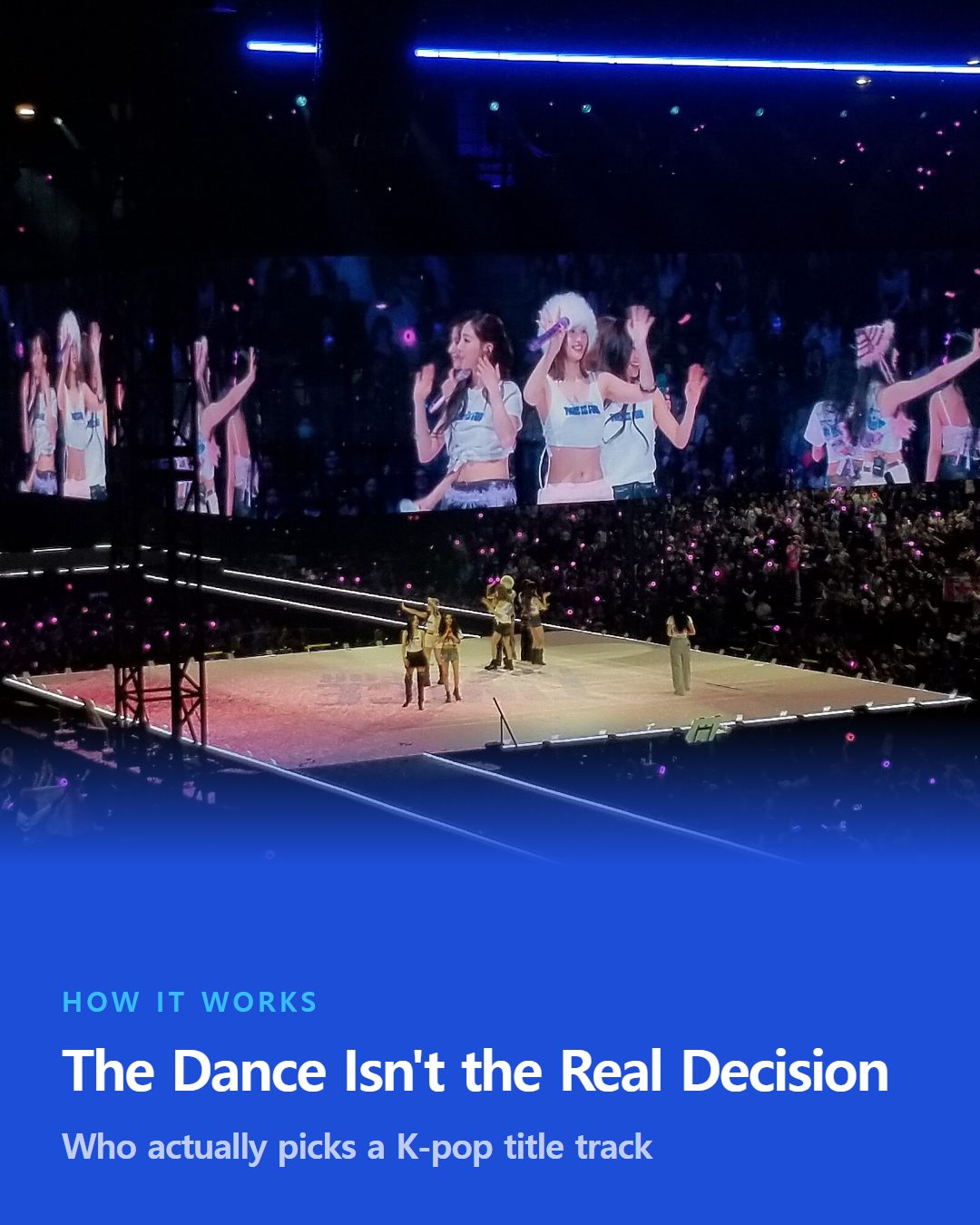
Point choreography is commissioned after a song is already finished — the real decision happens earlier, when an agency picks which track gets to be the title track at all.
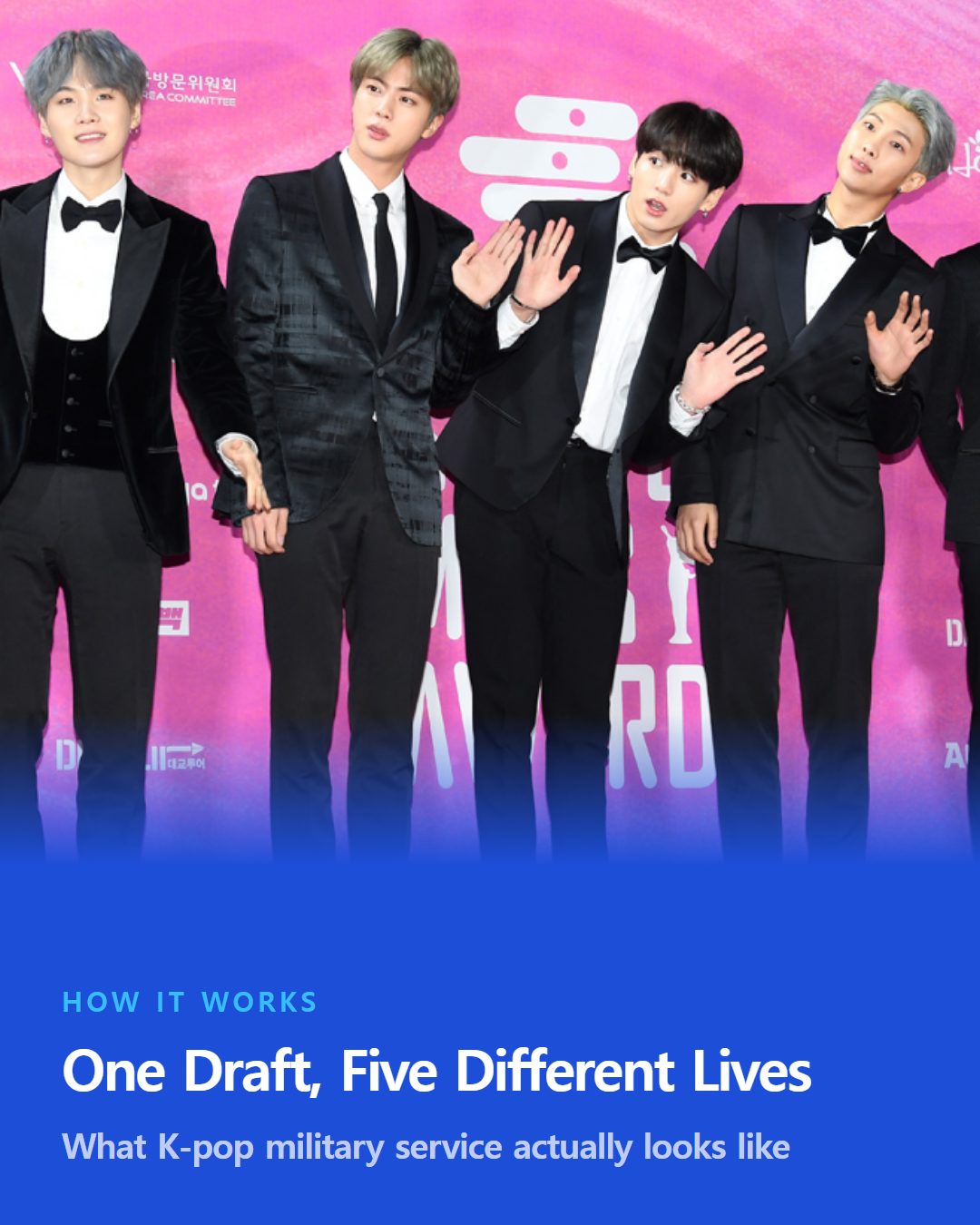
Two idols can enlist on the same day and end up living completely different professional lives for the next 18 months — this explains why, and what that gap means for when a star reappears.

K-pop's 'slave contract' scandal exposed clauses tying trainee debt to cosmetic surgery, and fifteen years of reform still hasn't touched that specific accounting line.

Reacting to footage someone else already filmed, instead of shooting a full day live, is the production shortcut that lets Korea's busiest hosts book several tapings in a single day.
Three Korean agencies have now built idol groups the same way KATSEYE was built, because a televised global audition splits the cost of a debut between two companies instead of one.

South Korean law bars soldiers from paid work, so agencies get actors to finish projects before they enlist and release them on a schedule that outlasts the 18-to-21-month term.

K-pop choreographers are usually paid once for a routine that can earn an idol group hundreds of millions of views, and a 2024 plagiarism dispute finally forced the industry to ask why.
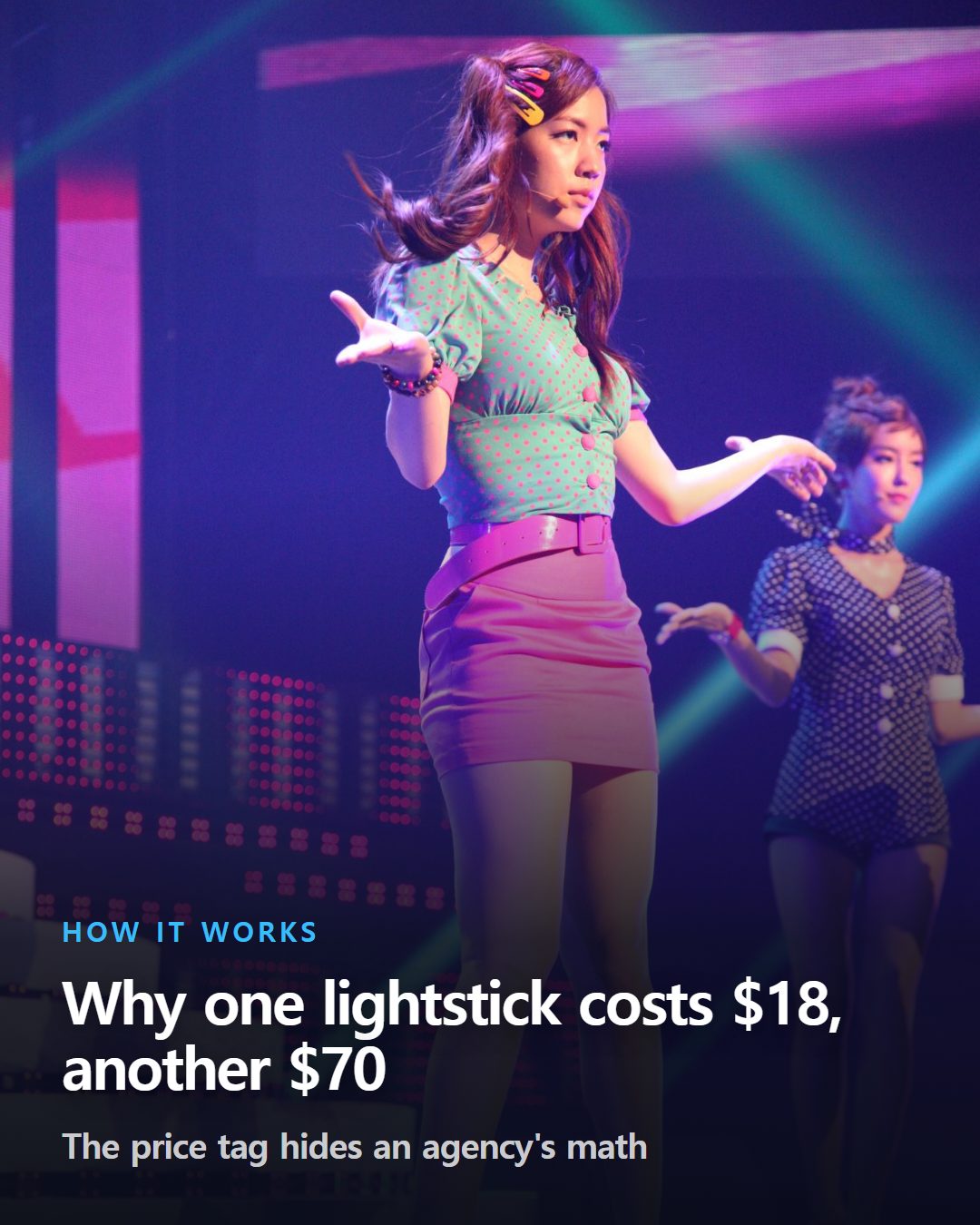
Official K-pop lightsticks range from about $18 to $70 because the price bundles Bluetooth hardware, custom tooling, and anti-counterfeiting costs that each agency spreads across its fandom's size.
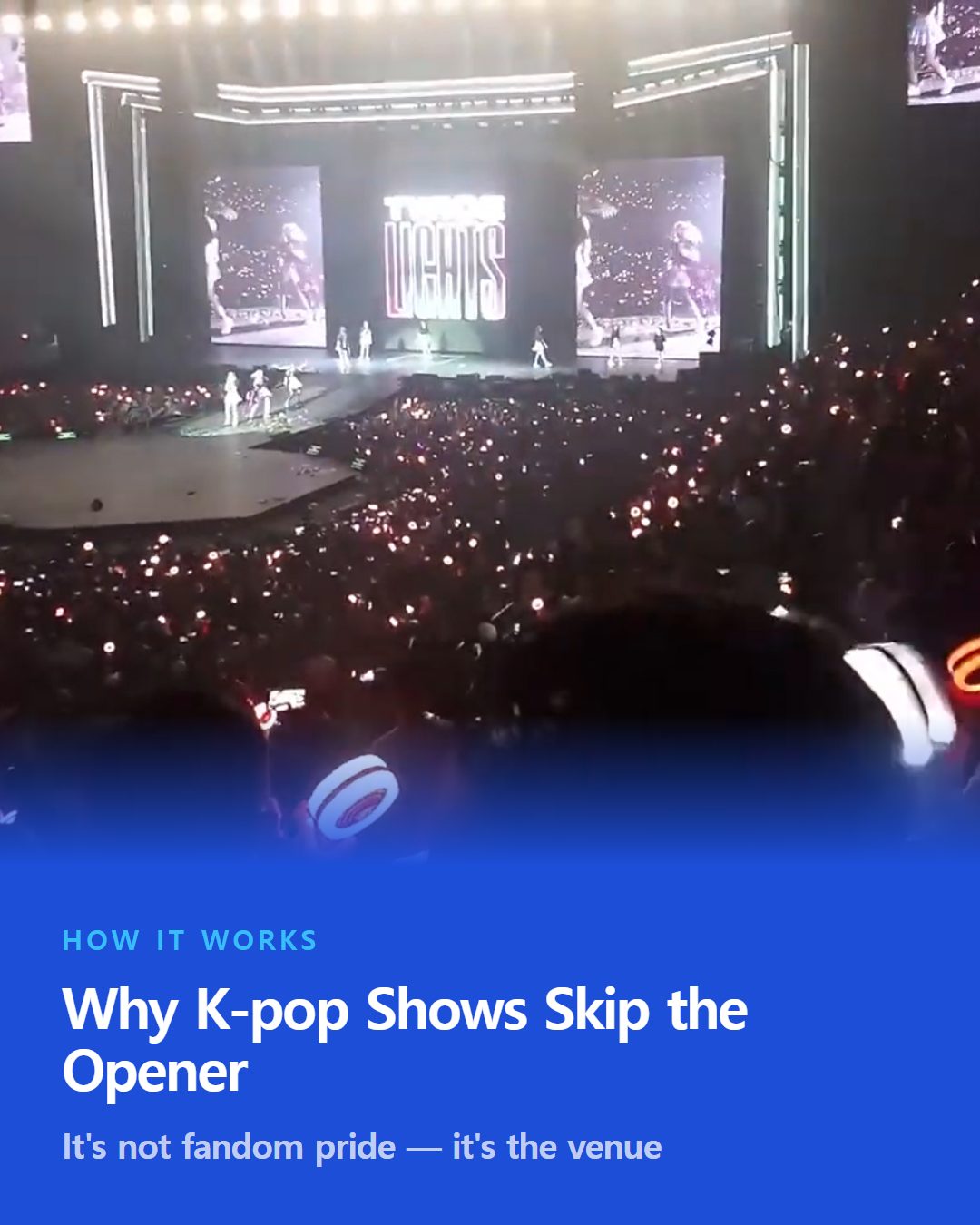
Korean venue scarcity, numbered-entry ticketing, and single-act rental days make the Western opening-act format structurally hard to fit into a K-pop concert.

Camping outside a K-pop venue is not a show of devotion — it is how fans compete for a specific paid perk and a physical spot in line, a system Korean domestic ticketing was actually built to avoid.
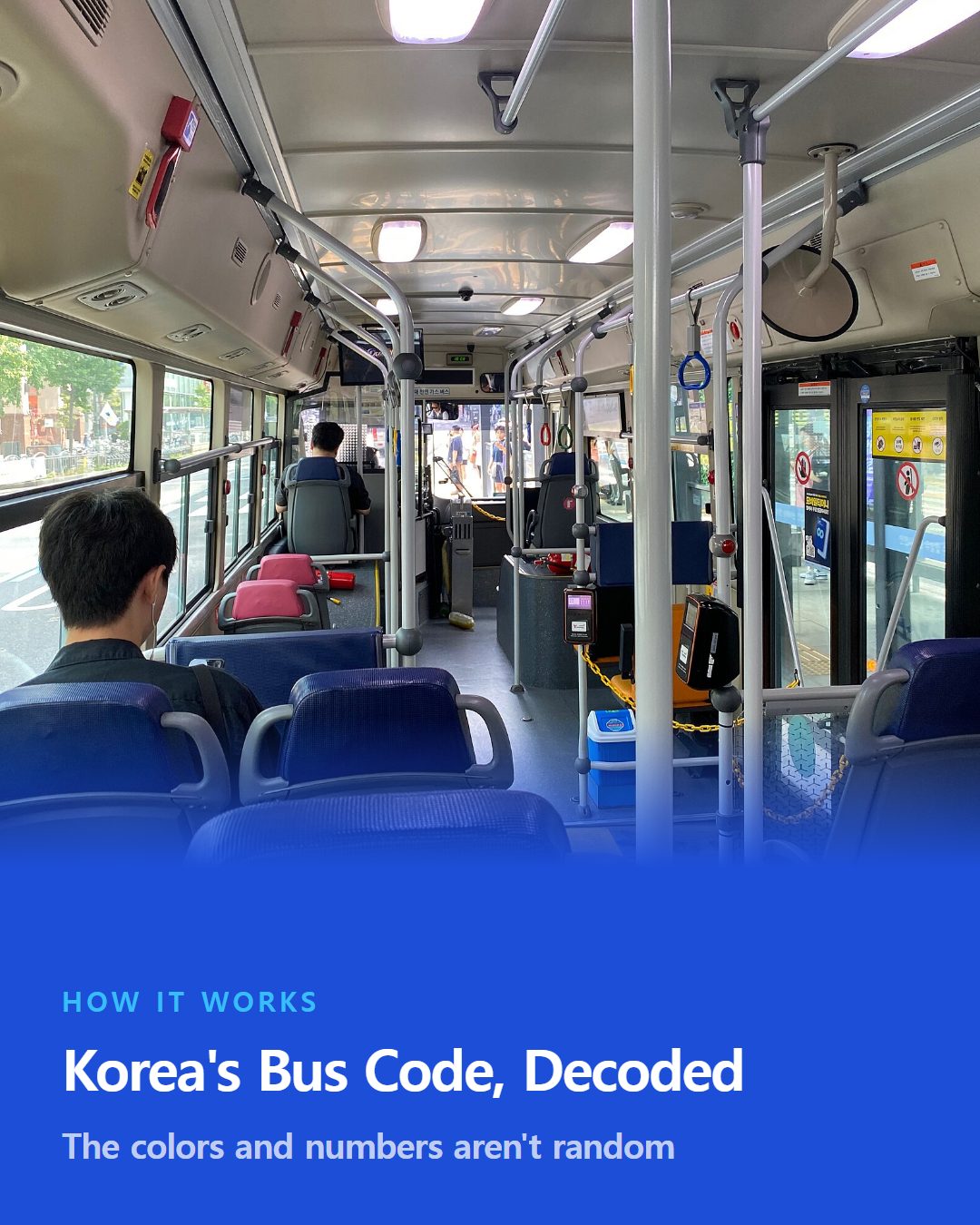
Seoul's four bus colors and multi-digit route numbers encode an eight-zone map, and the fare card that beeps twice is charging for total distance, not per ride.
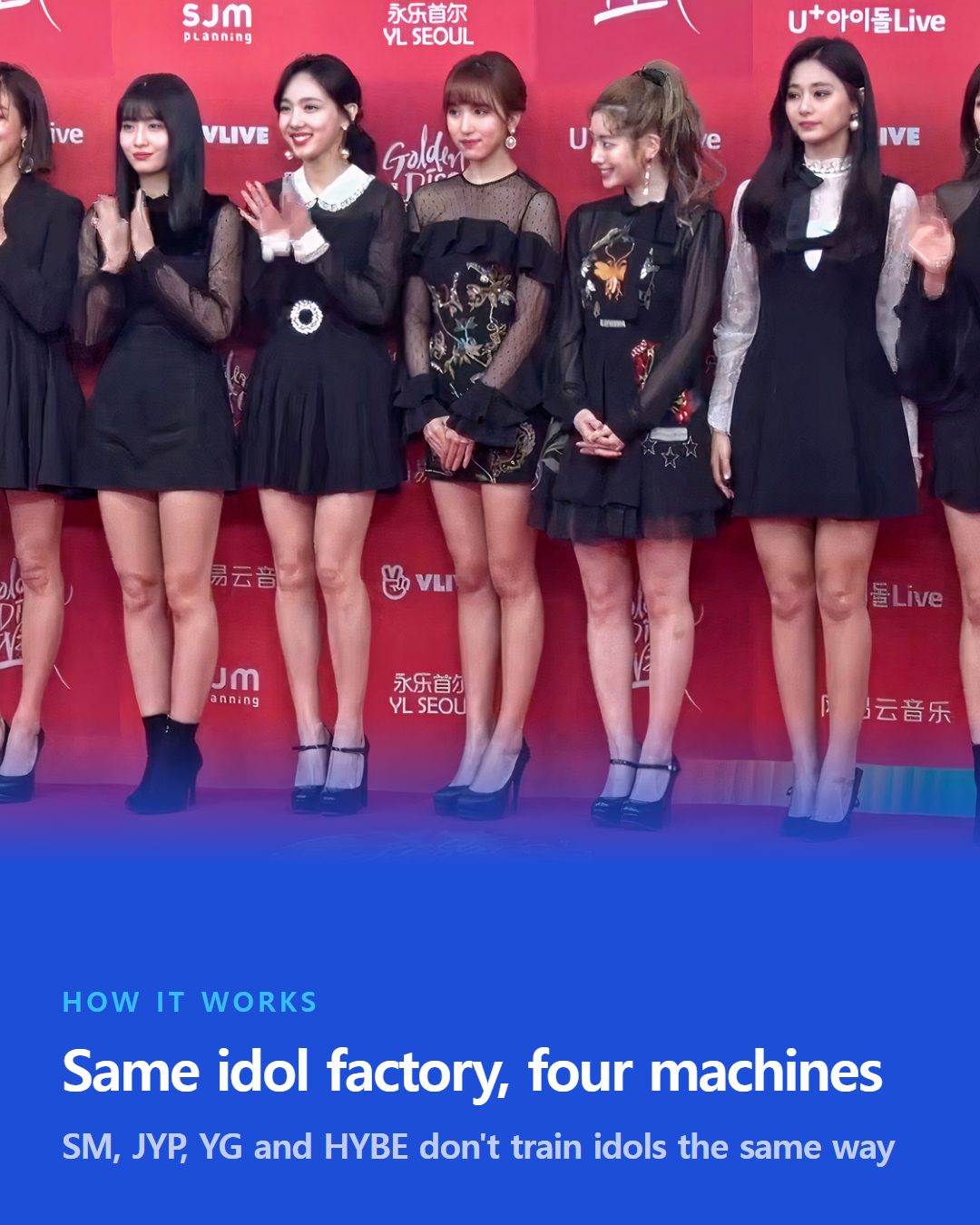
Why the four biggest K-pop agencies run the same trainee pipeline on paper but produce completely different sounds, structures, and business bets in practice.

Korean law requires actors to work through a registered management company, and a 2026 report on "agency packaging" shows how far that requirement now reaches into who gets cast in K-dramas.
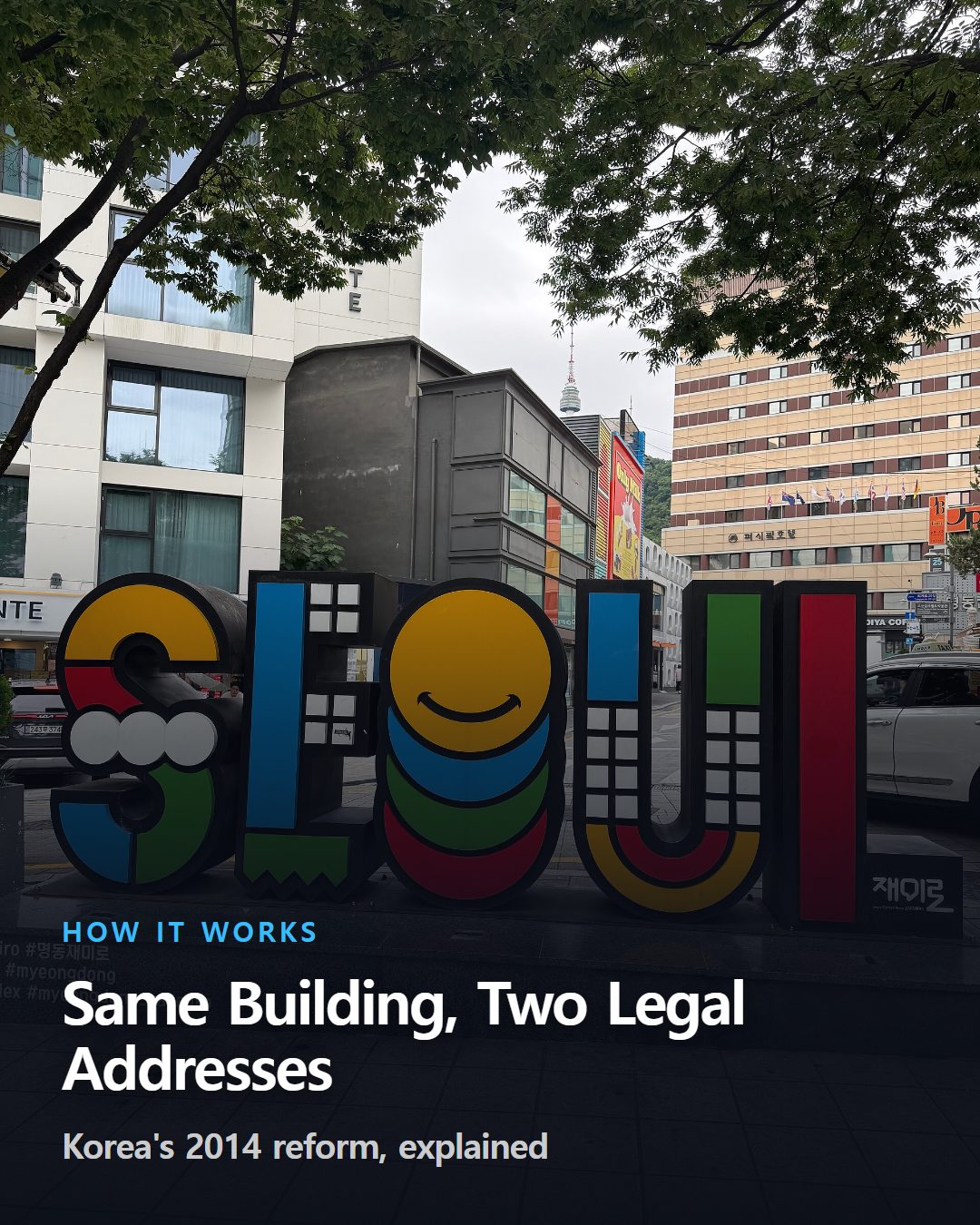
South Korea legally runs two address systems at once, and the 2014 reform that created that overlap changed less than most outsiders assume.

K-pop's 15,000-to-30,000-won album price splits between cheap-to-produce packaging, an engineered photocard lottery, and an agency margin that dwarfs what streaming pays out.
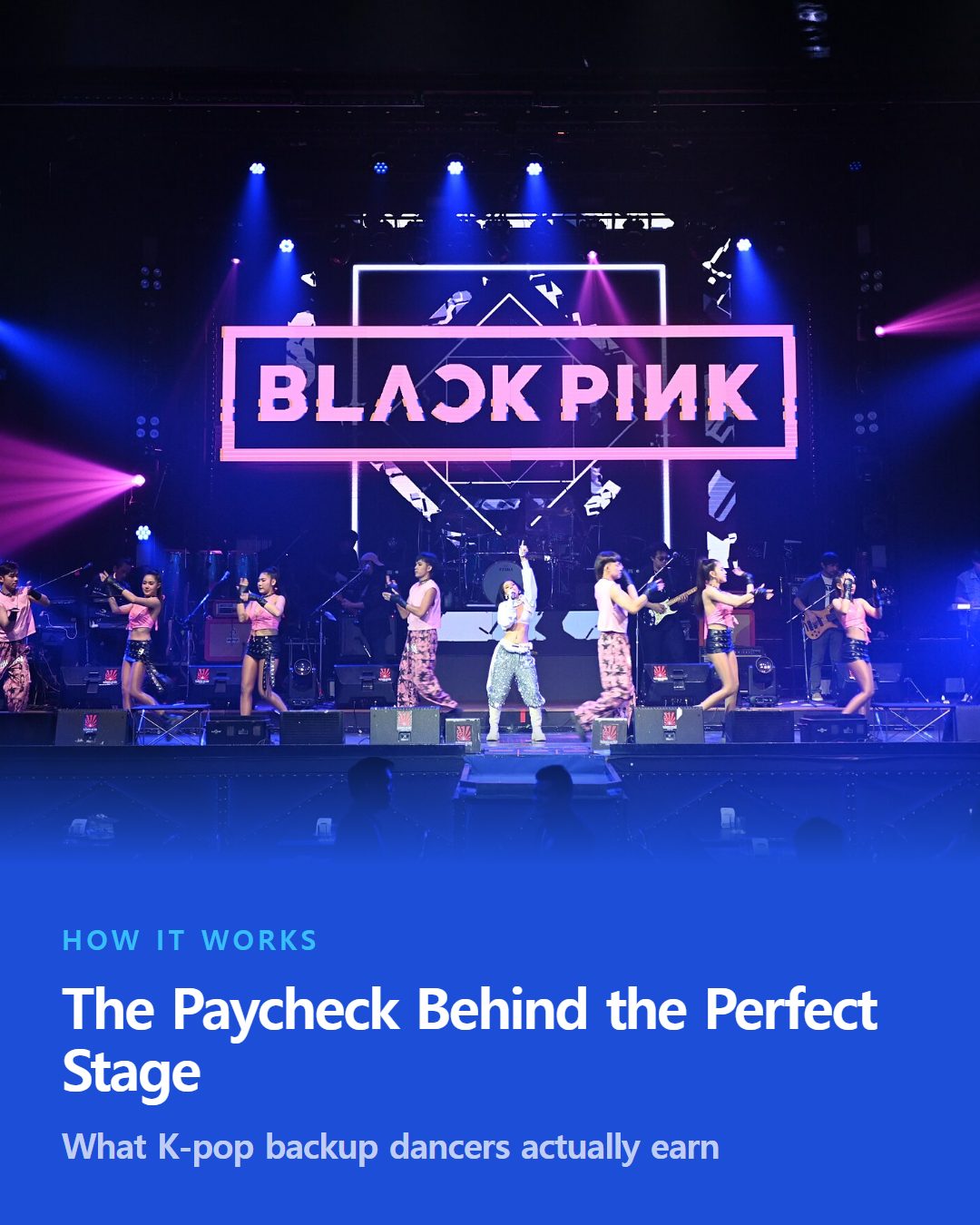
Behind every polished comeback stage, most K-pop backup dancers are freelancers paid around $75 a performance, with no injury insurance and no share of the royalties when their choreography goes viral.

Korea has no law banning idol romance — it is a private contract clause that agencies enforce because the fandom economy makes it profitable to keep.
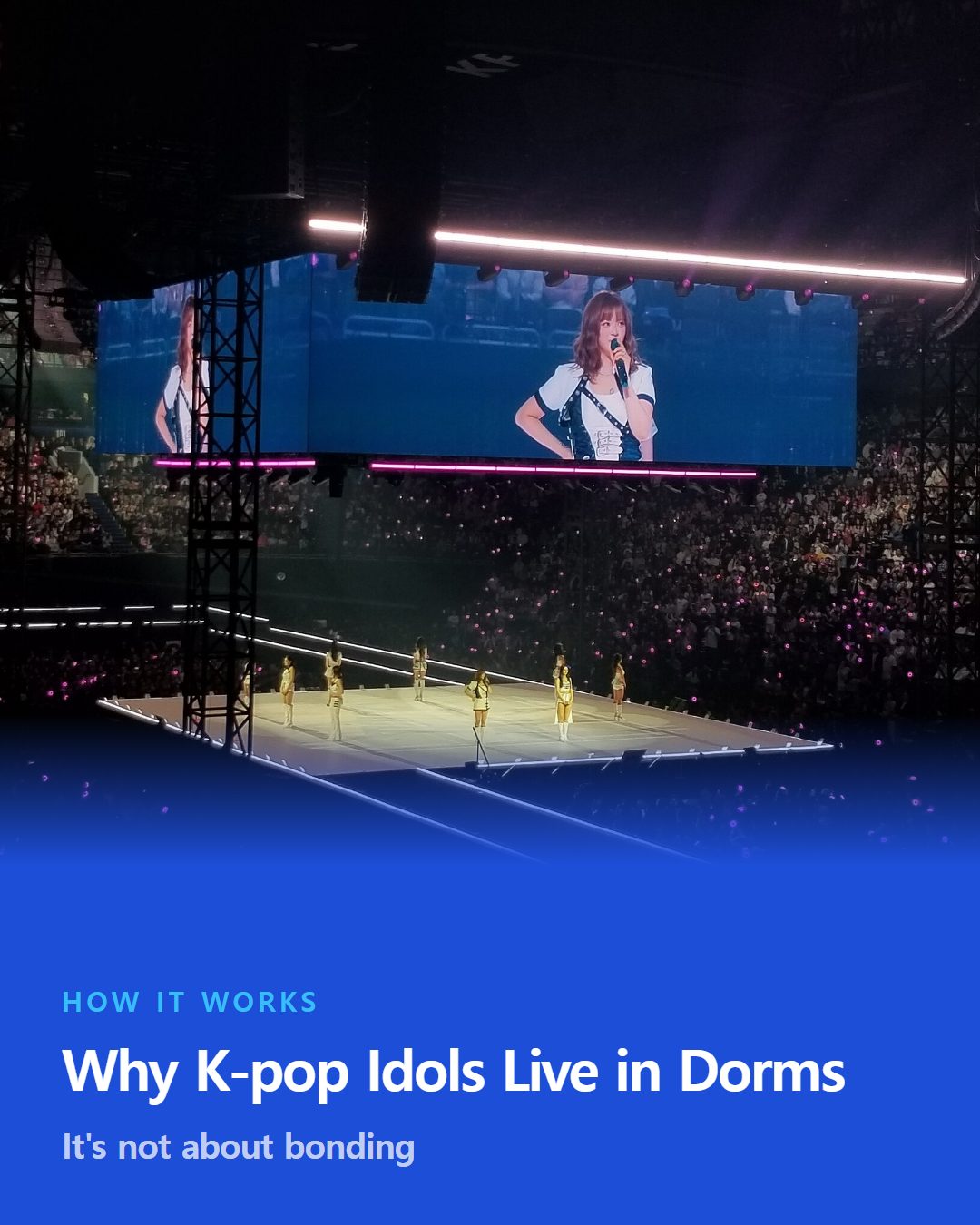
K-pop's shared dorms exist mainly because housing a whole group at one address lets an agency manage schedules, curfews, and scandal risk from a single point of control, not because companies value closeness.

Fan calls give paying fans one to two minutes with a K-pop idol, and breaking down the price by the minute shows how the industry turns scarce attention into a product.
Korean music show tickets are free but gated by fan cafe logins, phone numbers, and loyalty tiers most international fans never see coming.

Why owning a paid, verified fan club membership decides your odds of getting a K-pop concert ticket long before the on-sale clock even starts.

Bubble looks like a private text from a K-pop idol, but the message, the read receipt, and even the loyalty counter are all built to disguise one broadcast to thousands of paying fans as a one-on-one conversation.

K-pop groups don't end for one reason — a legal seven-year cap, a scheduled project deadline, a quiet non-renewal, a contract lawsuit, or a fade with no announcement at all each look identical from outside Korea.

A group can top the charts while its members are still, on paper, paying off their own debut — this explains the settlement structure that decides when K-pop idols actually start getting paid.
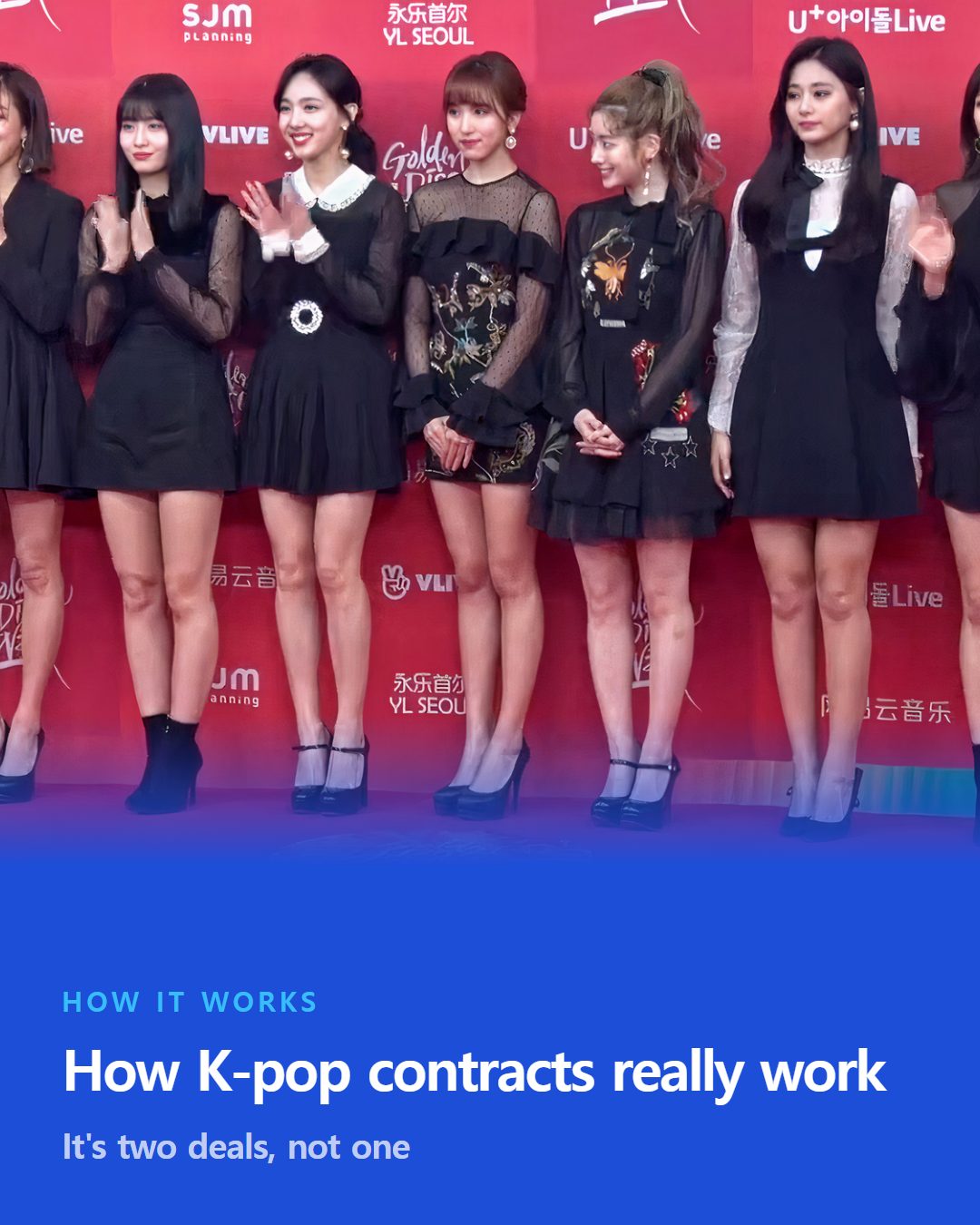
A guide to the two-contract system, the standard seven-year term, and the trainee-cost settlement structure that decide how much K-pop idols actually earn.
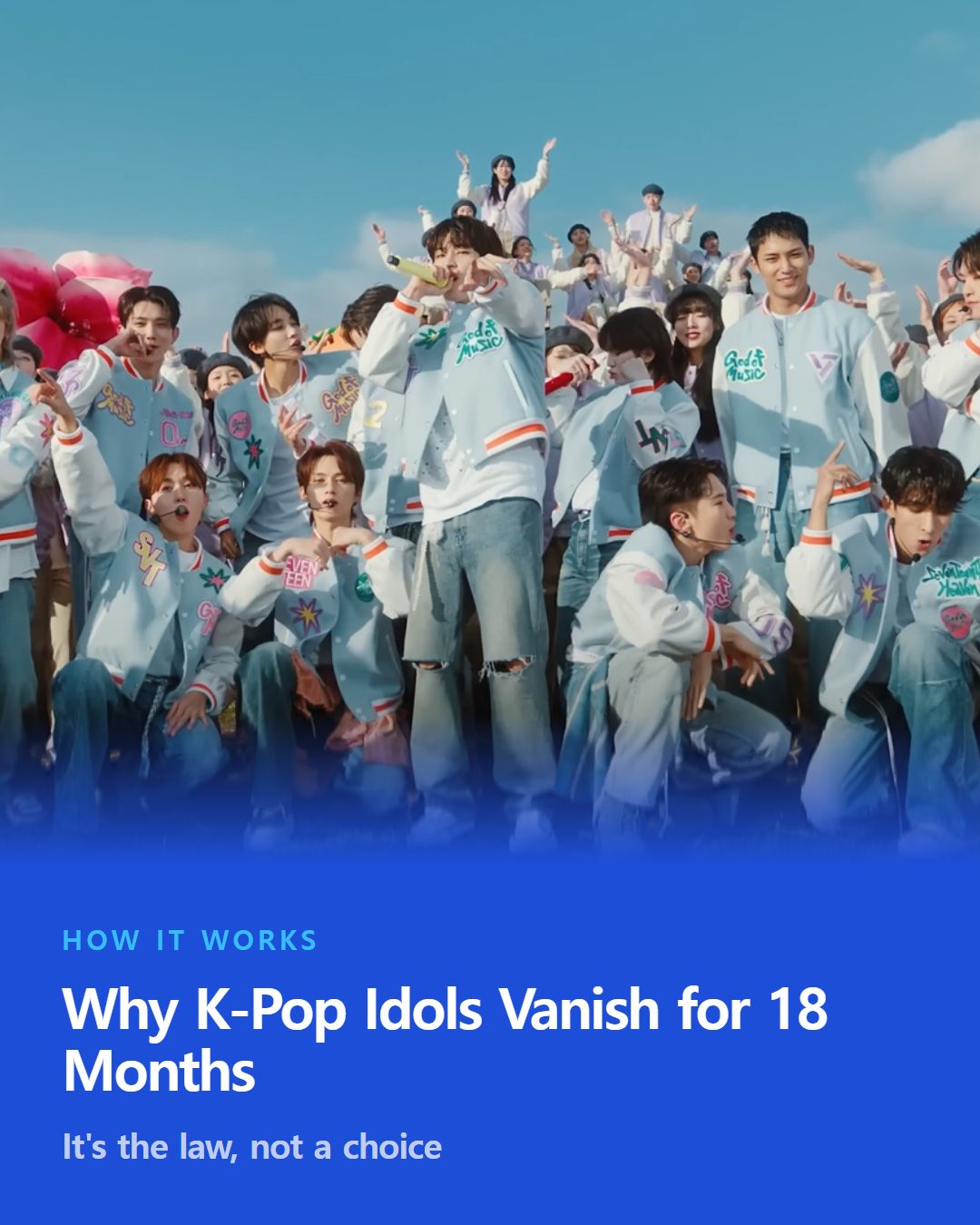
Every able-bodied Korean man in entertainment must serve 18 to 21 months in the military by age 28, and how an agency times that gap can define, or derail, a career.
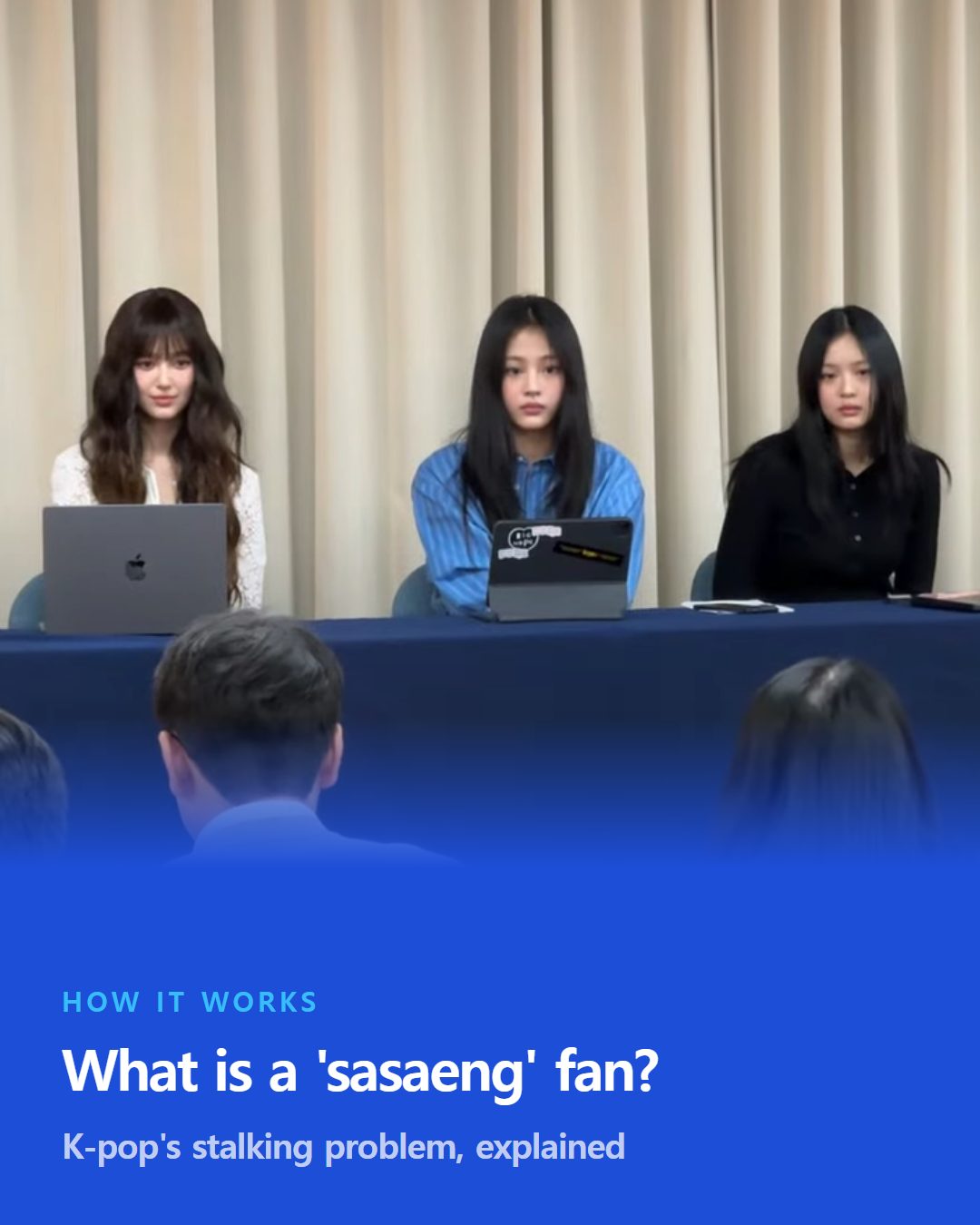
A guide to sasaeng fans — the obsessive stalkers of K-pop idols — and how South Korean law and agencies have escalated their response, from a 2021 anti-stalking act to GPS-tracker lawsuits in 2026.

Unlike weekly music show rankings, Korea's year-end 'Daesang' grand prizes are decided by formulas that mix sales, streaming, fan votes and closed-door judge panels — and no two shows use the same math.

In K-pop, a 'comeback' just means an active group is releasing new music — not returning from a break — and understanding that unlocks why the industry moves the way it does.

K-pop fans buying dozens of copies of one album aren't just loyal — they're playing a lottery for fansign access and photocards that also happens to be how the national sales charts are counted.

International viewers usually read the coffee-cup close-ups and brand-name dialogue in K-dramas as tacky ads, when it is actually the financing structure that keeps most Korean dramas in production at all.

Before a K-pop idol earns a won from their own group, an agency has usually spent years and thousands of dollars training them for free — and that spending gets billed back to the idol after debut, a structure regulators have been trying to fix since 2009.

A breakdown of the digital sales, physical album, broadcast, and voting formulas that decide who wins Korea's weekly music show trophies, and why fandoms mobilize so hard to move them.
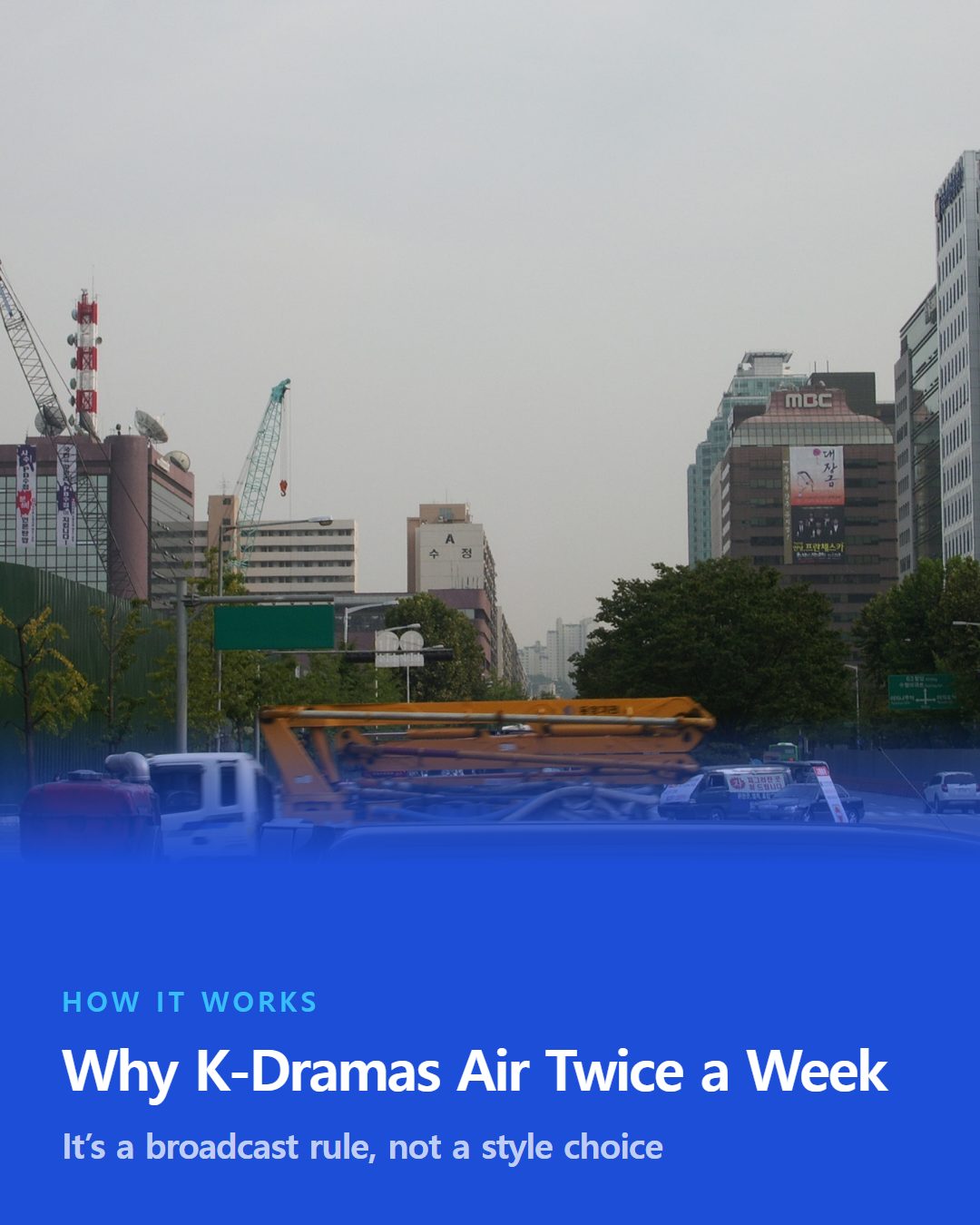
Korean dramas still run on a decades-old twice-a-week broadcast rhythm even as streaming pushes the industry toward fully pre-produced, shorter, binge-ready seasons.
What Korea is talking about today — with the context that does not make it into the English headlines.