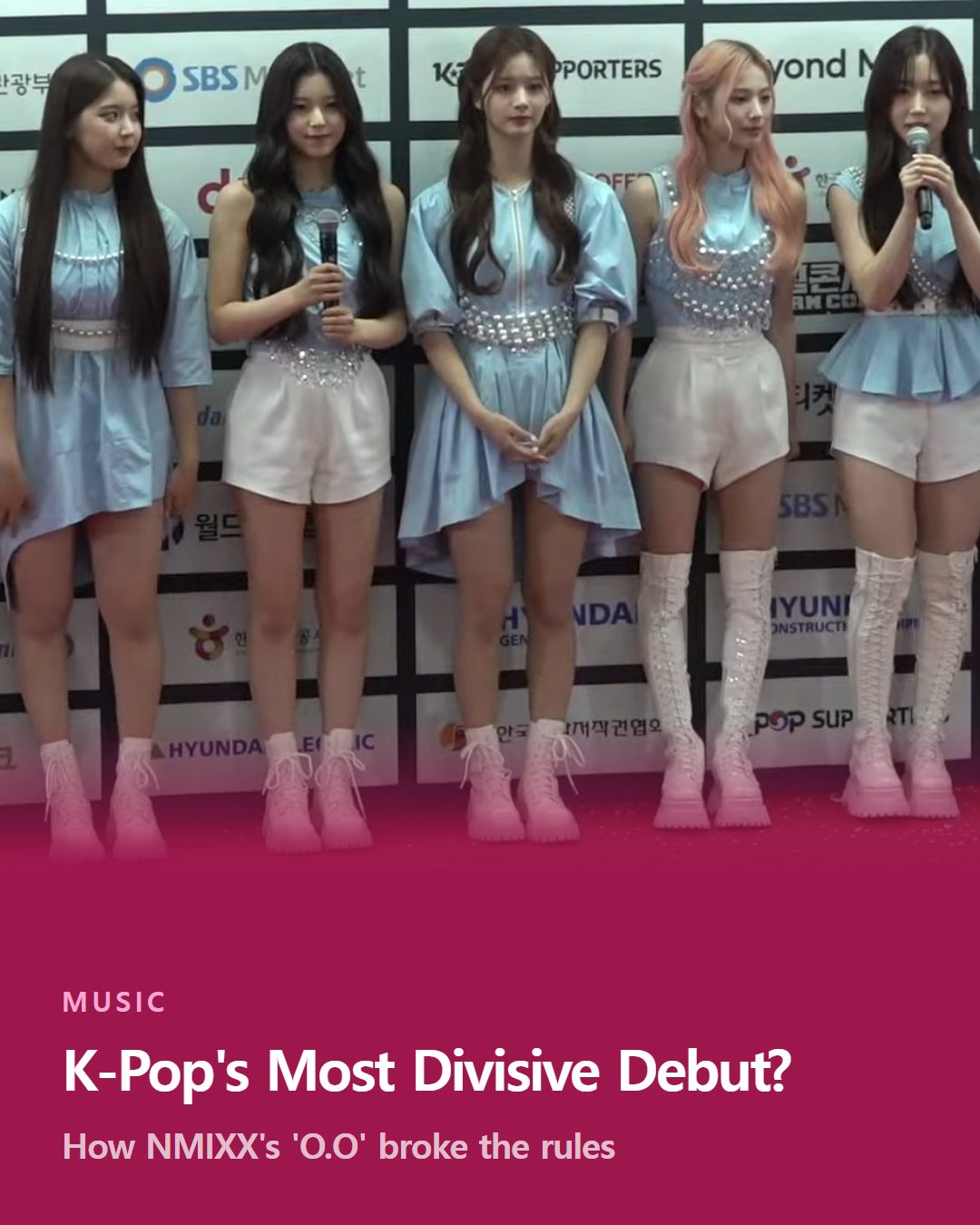
Why NMIXX's Debut Single 'O.O' Split K-Pop Fans in 2022
How a genre-blending debut single split K-pop fandom, drew plagiarism accusations, and still broke a sales record in the same week.
34 stories
How a genre-blending debut single split K-pop fandom, drew plagiarism accusations, and still broke a sales record in the same week.
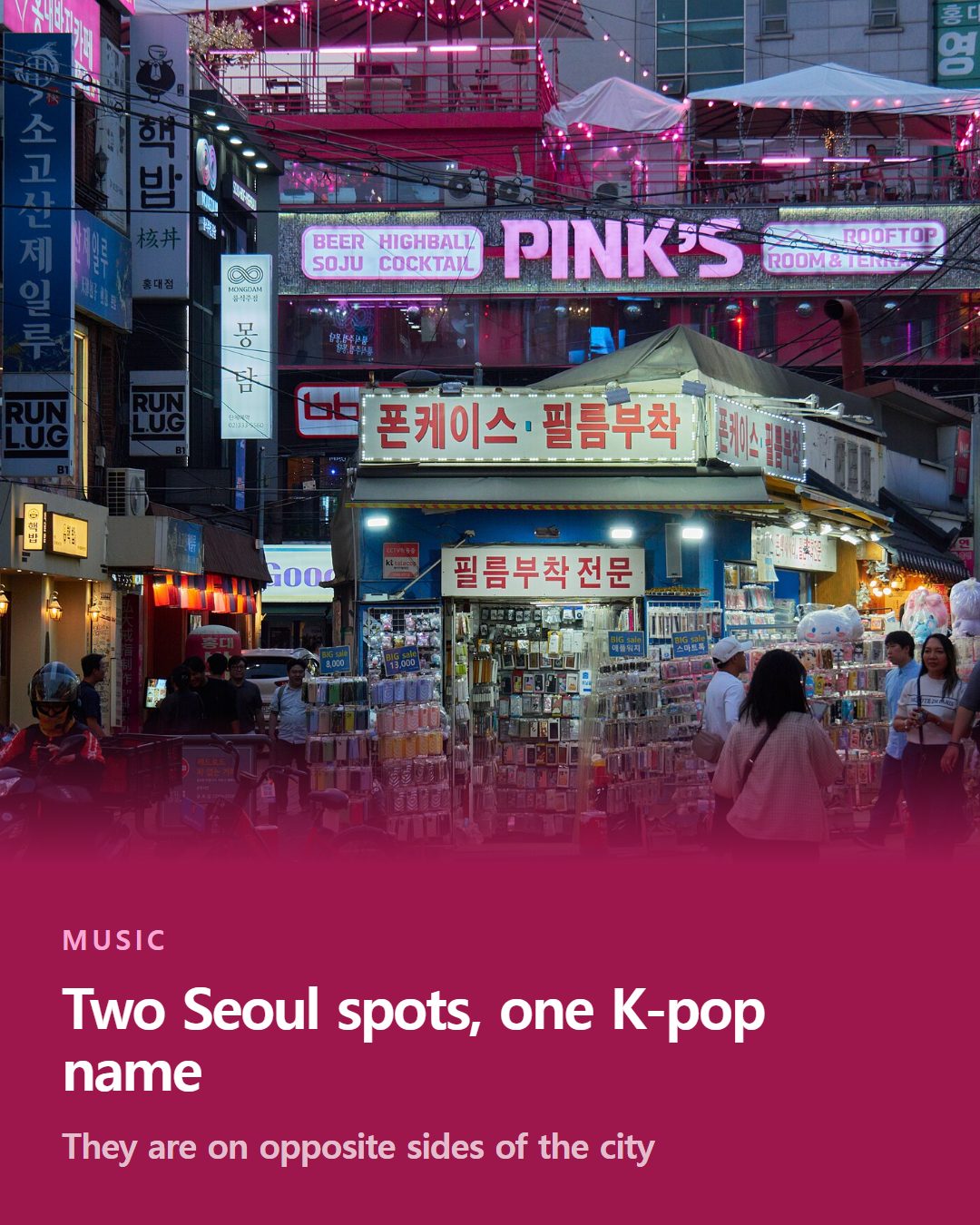
Two unrelated Seoul locations, a Gangnam LED billboard and a Hongdae merchandise store, both go by the exact same name, and here is how that happened.

A look at the legal, financial, and creative facts behind K-pop's oldest criticism — that idols are manufactured products, not artists — and how the industry actually answers it.
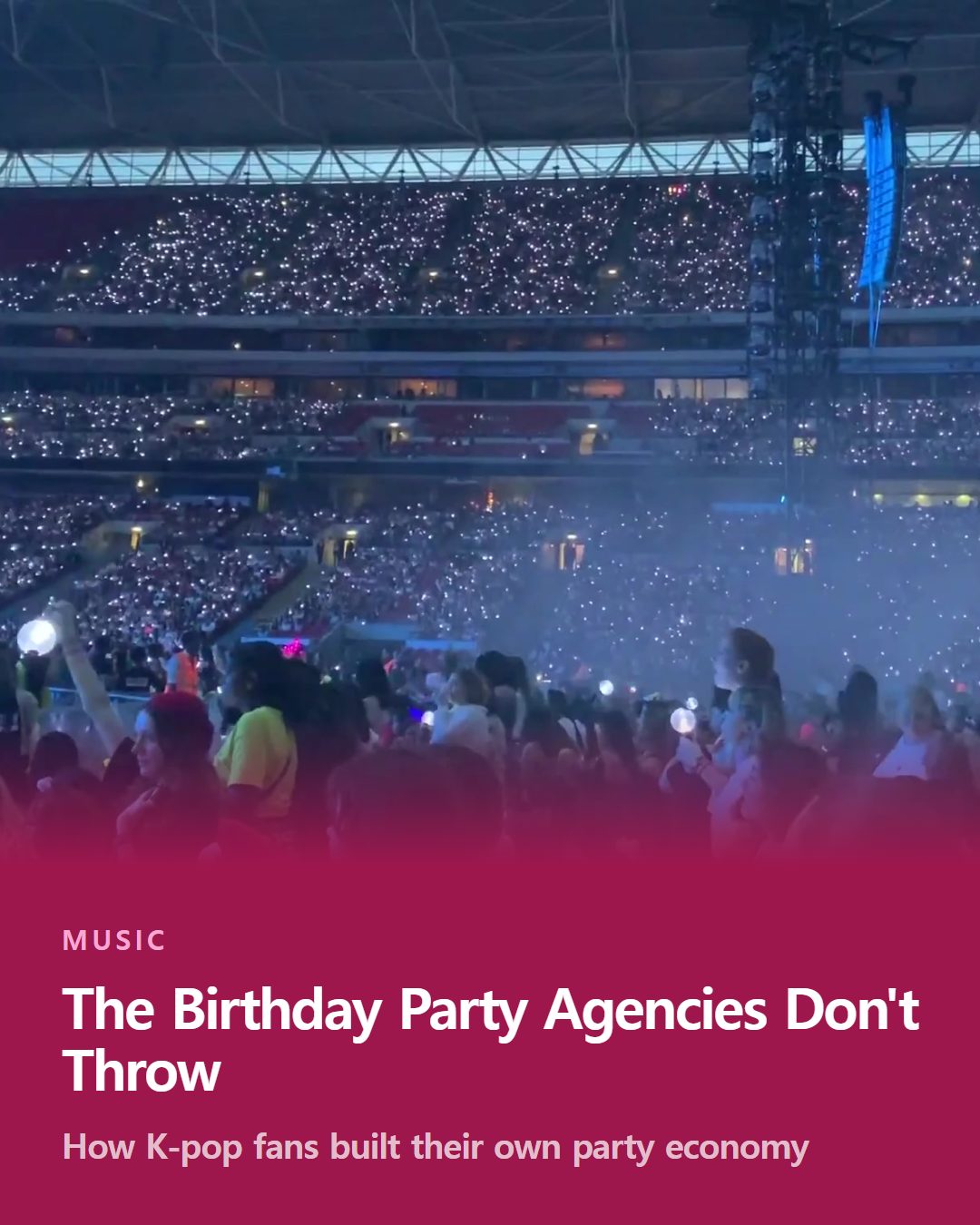
K-pop fans, not entertainment agencies, are the ones who rent cafes, design menus, and print cup sleeves to mark an idol's birthday, and the gap between the two explains a lot about how this fandom actually runs.

STAYC broke rookie records in 2020-21 and now sells out world tours, but their 2026 album sales collapsed — here's what that split says about how K-pop success is actually measured.

A member-by-member look at CLC's seven-year run shows the group's constant concept changes weren't a creative failure — they were forced, then briefly reversed, by the same agency that eventually let the group's contracts lapse.
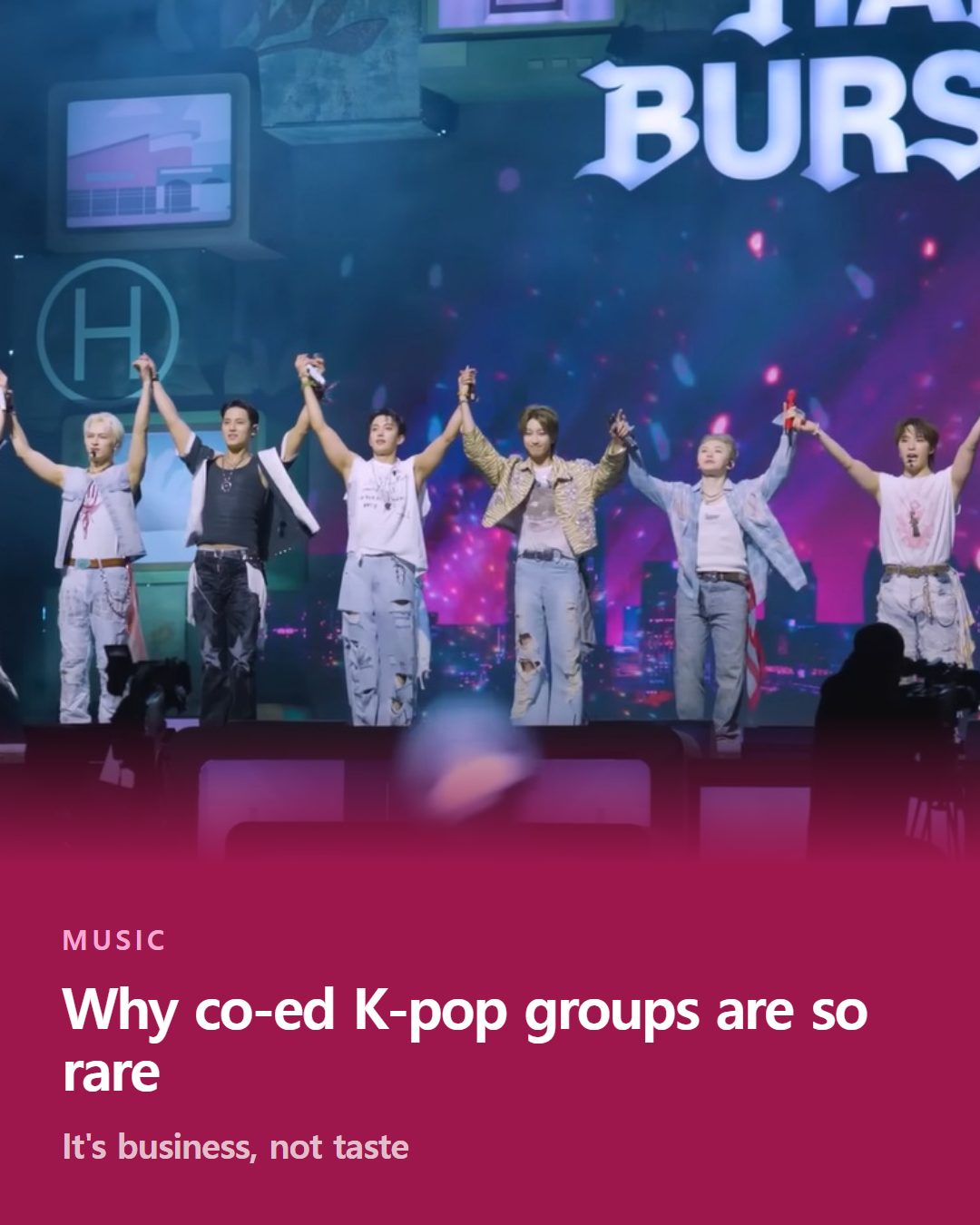
Mixed-gender K-pop groups are rare not because of taste but because dorms, photocard sales, and gender-targeted fandoms are all built around single-gender acts.
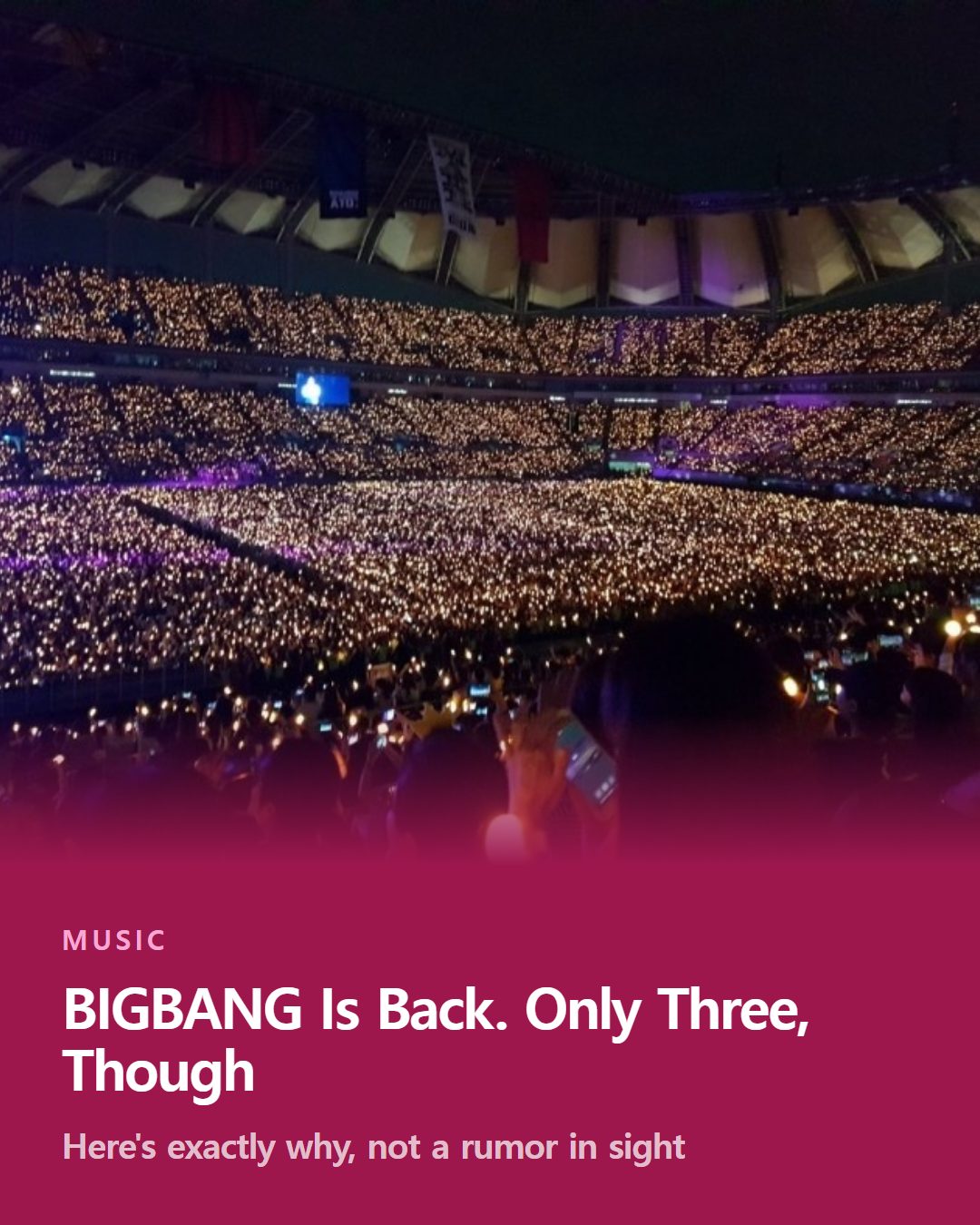
BIGBANG's three-member comeback for its 20th anniversary is the result of one member's criminal conviction, another's expired contract, and a K-pop agency system that now splits the group across three separate companies.
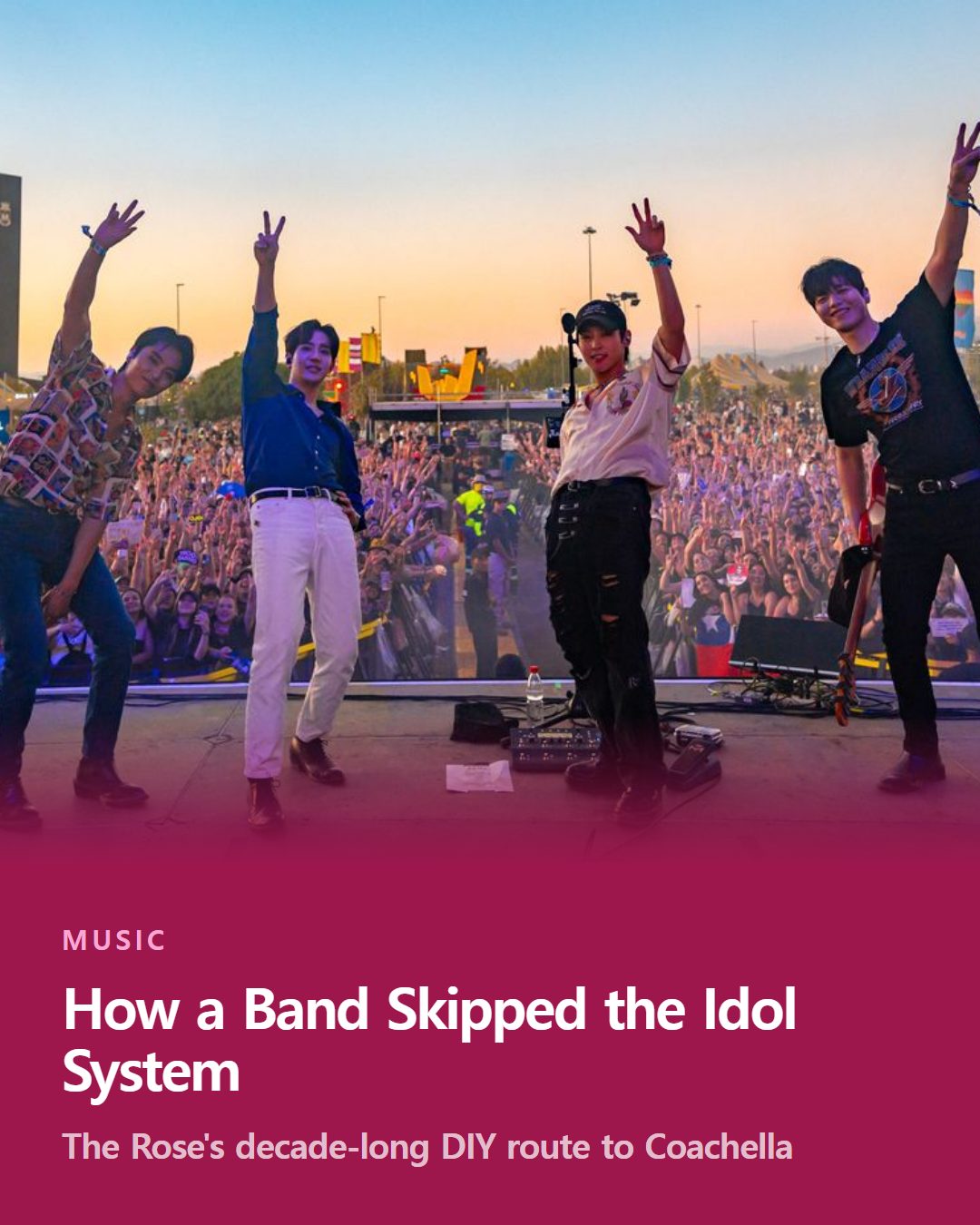
The Rose spent a decade avoiding Korea's trainee system entirely, and that choice — not talent alone — is why they ended up the only Korean act to play both Coachella and Lollapalooza.
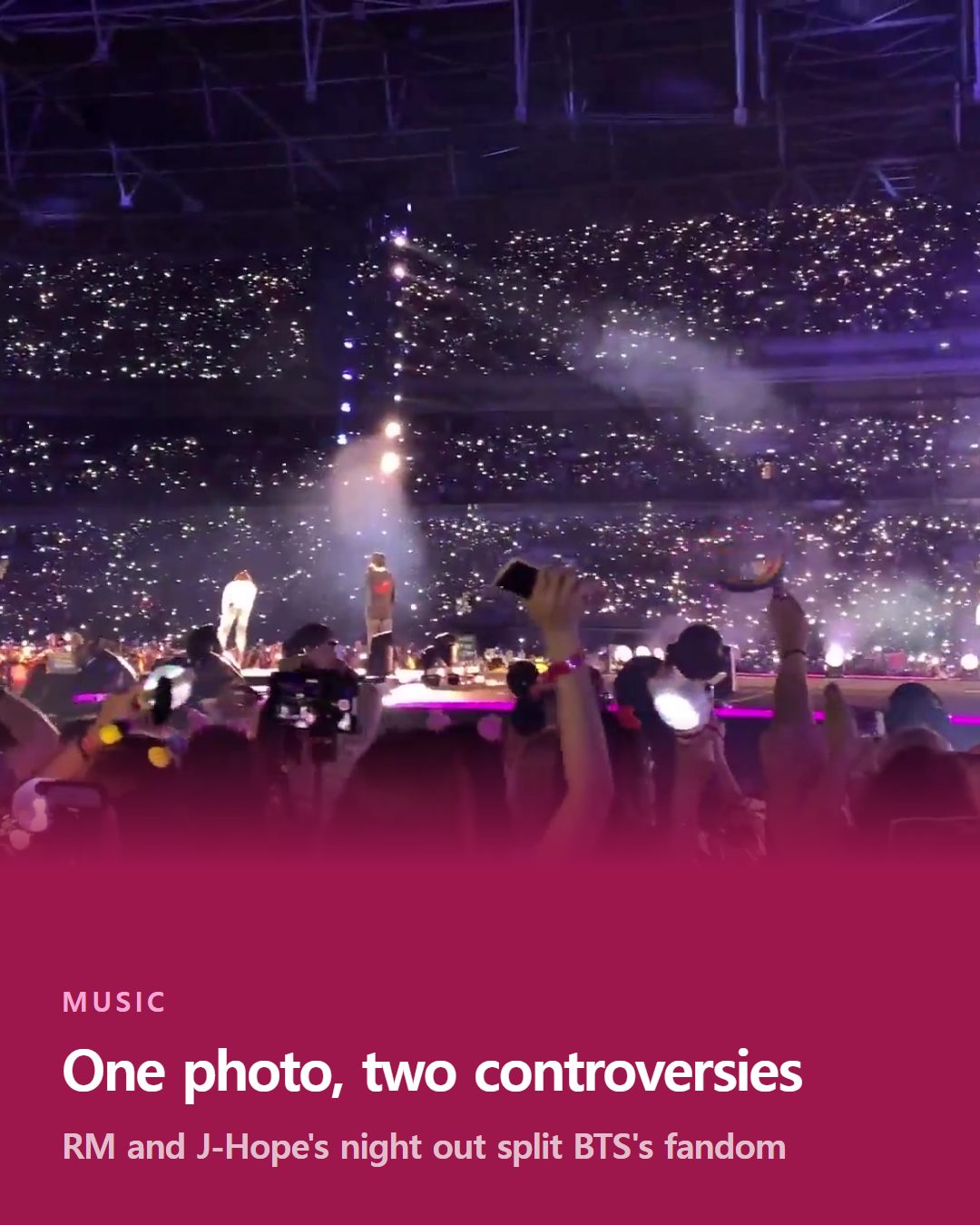
A backstage photo with Chris Brown cost RM a nonprofit's role-model title and split BTS's fandom over what it means to platform an artist with a violence record.
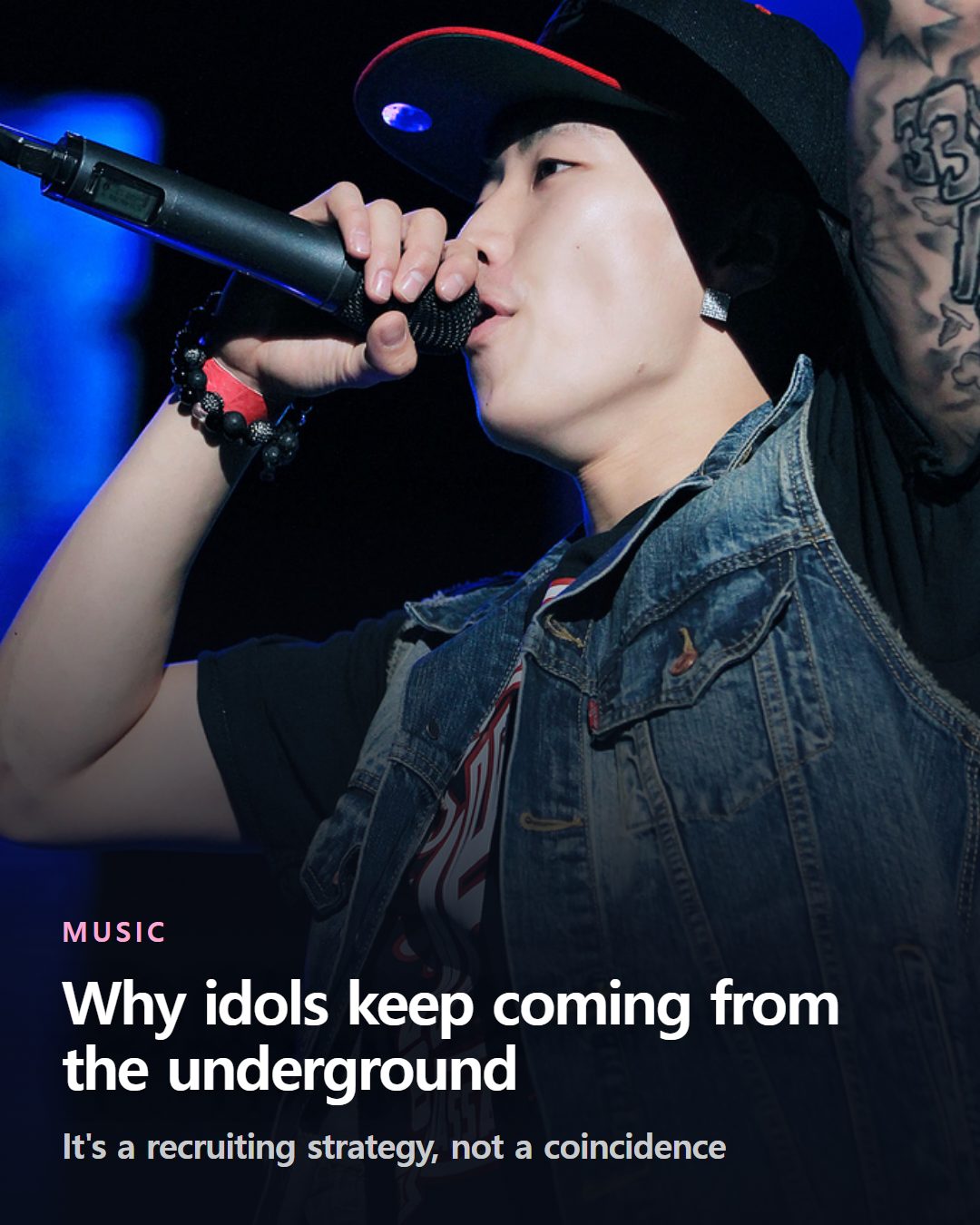
K-pop agencies don't stumble onto rapper trainees with underground résumés by accident — they recruit for that history because it supplies a credibility the trainee system cannot manufacture on its own.
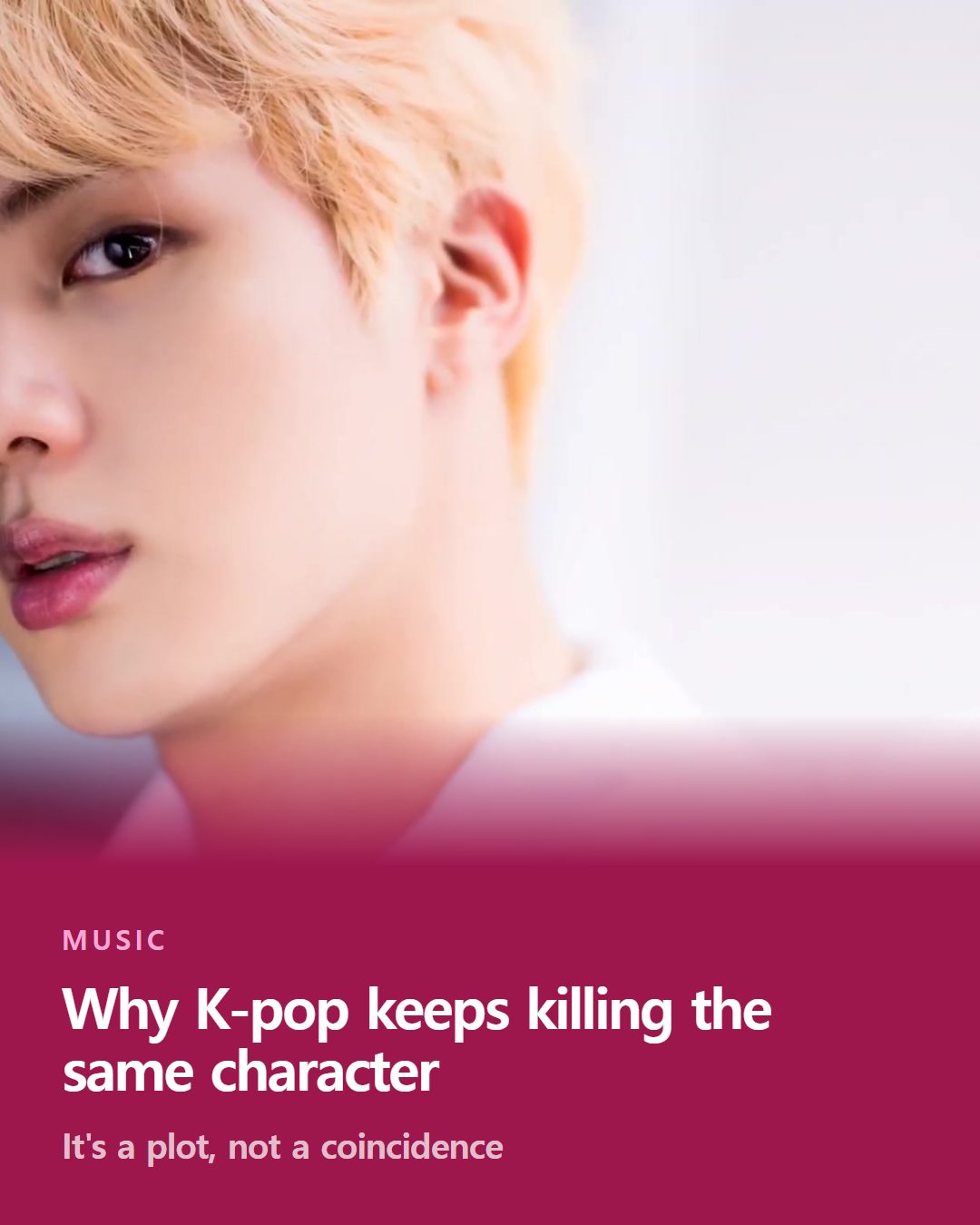
A recurring character death in a K-pop music video is rarely a one-off twist — it is the opening chapter of a multi-year story built across videos, webtoons, and games.

Korea's biggest K-pop award shows aren't competing for one title — each is a separate business owned by a different broadcaster or platform, run on its own data and its own math.

A look at the recurring, evidence-based reasons K-pop fans flag new songs as AI-made, and why neither Korean law nor streaming platforms have settled the question yet.

K-pop's '1st gen through 4th gen' labels come from critics and fandom consensus, not any official industry ruling, which is why the boundaries keep moving.

NEXZ waited 716 days between their debut and their first music-show win, and the gap shows how comeback cycles and agency resources, not talent, decide when a critically praised K-pop rookie group actually breaks through.

K-pop's 'center' role is a formal, agency-assigned position with its own history, economics, and failure modes — not just a fan label for whoever stands in the middle.
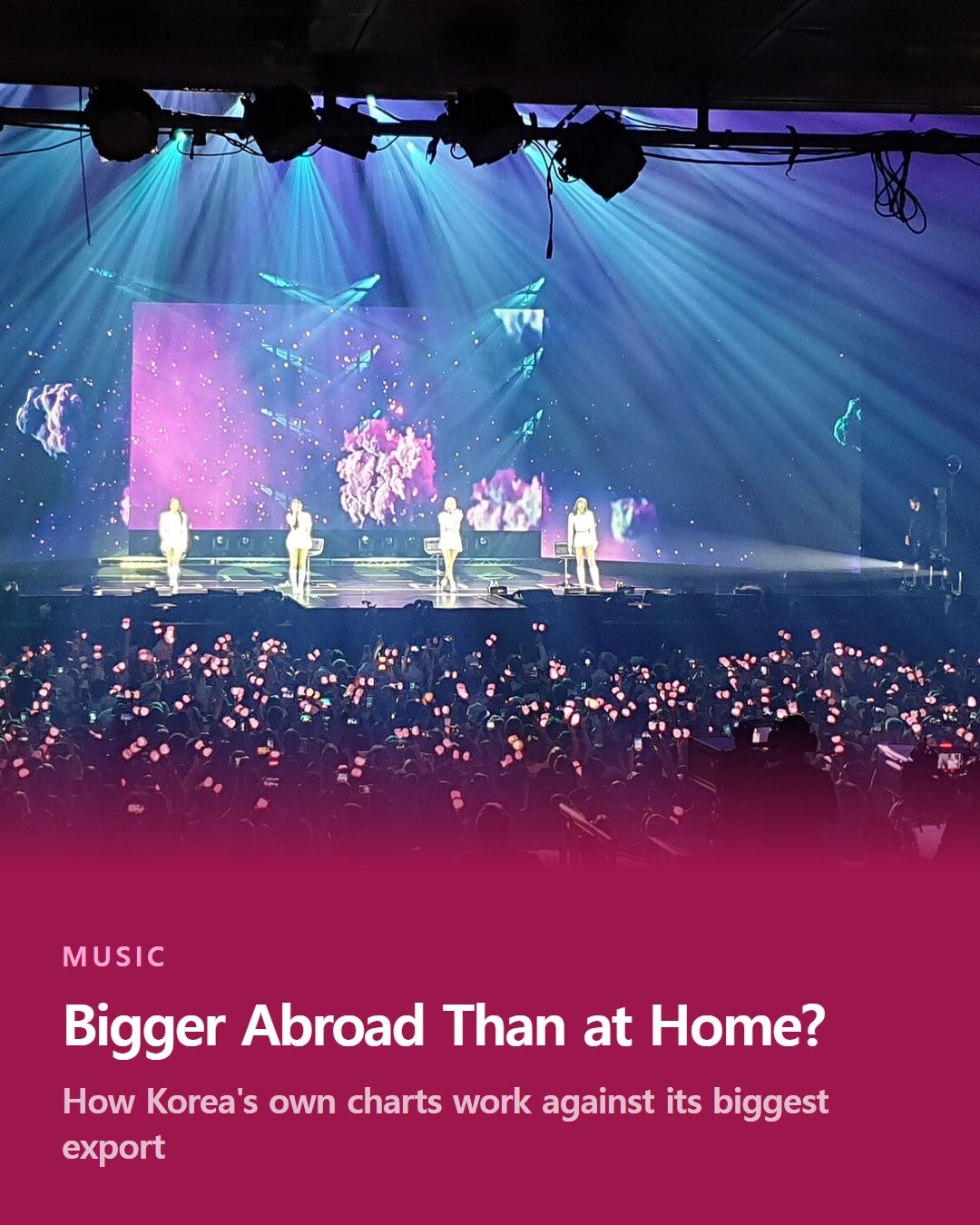
Korea's own chart formulas, weekly music-show scoring and touring economics explain why groups like BLACKPINK can dominate worldwide while barely cracking their home country's own Top 10.

K-pop's 'leader' is a company-assigned role picked through methods that range from seniority to survival-show votes, and it comes with real duties like mediating with the agency and, for some, producing the group's music.

How three members of an idol-system band kept writing and playing their own music, and why the group never replaced the member it lost in 2019.

The white patch idols sometimes wear on a music-show stage isn't styling — it's a visible sign of an industry norm where performing through injury is the default, not the exception.
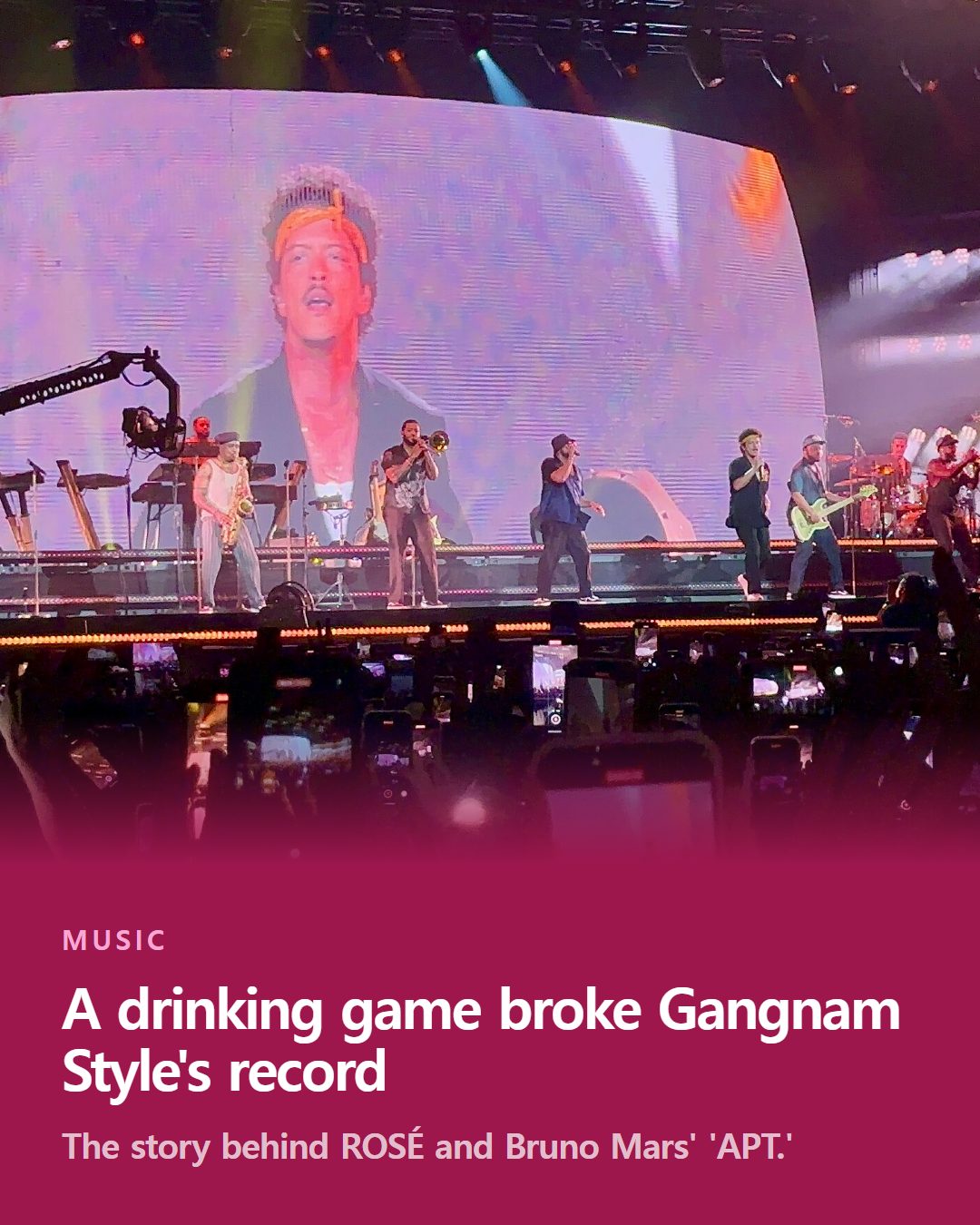
ROSÉ and Bruno Mars named their record-breaking single after a Korean drinking game called 'apateu,' and that wordplay explains why the song broke chart records that even PSY's 'Gangnam Style' never touched.

K-pop idols blur logos on TV because of a 2010 broadcasting law, and avoid rival brands in public because of a private endorsement contract — two unrelated rules that happen to look identical.

A sub-unit lets K-pop members release music under a smaller name without ever leaving the exclusive contract that binds them to their main group.

TWICE's Chaeyoung has left JYP Entertainment to go solo, but she is not leaving TWICE — here is the contract structure that makes that possible, and why it looks nothing like the NewJeans-ADOR dispute international readers may already know.
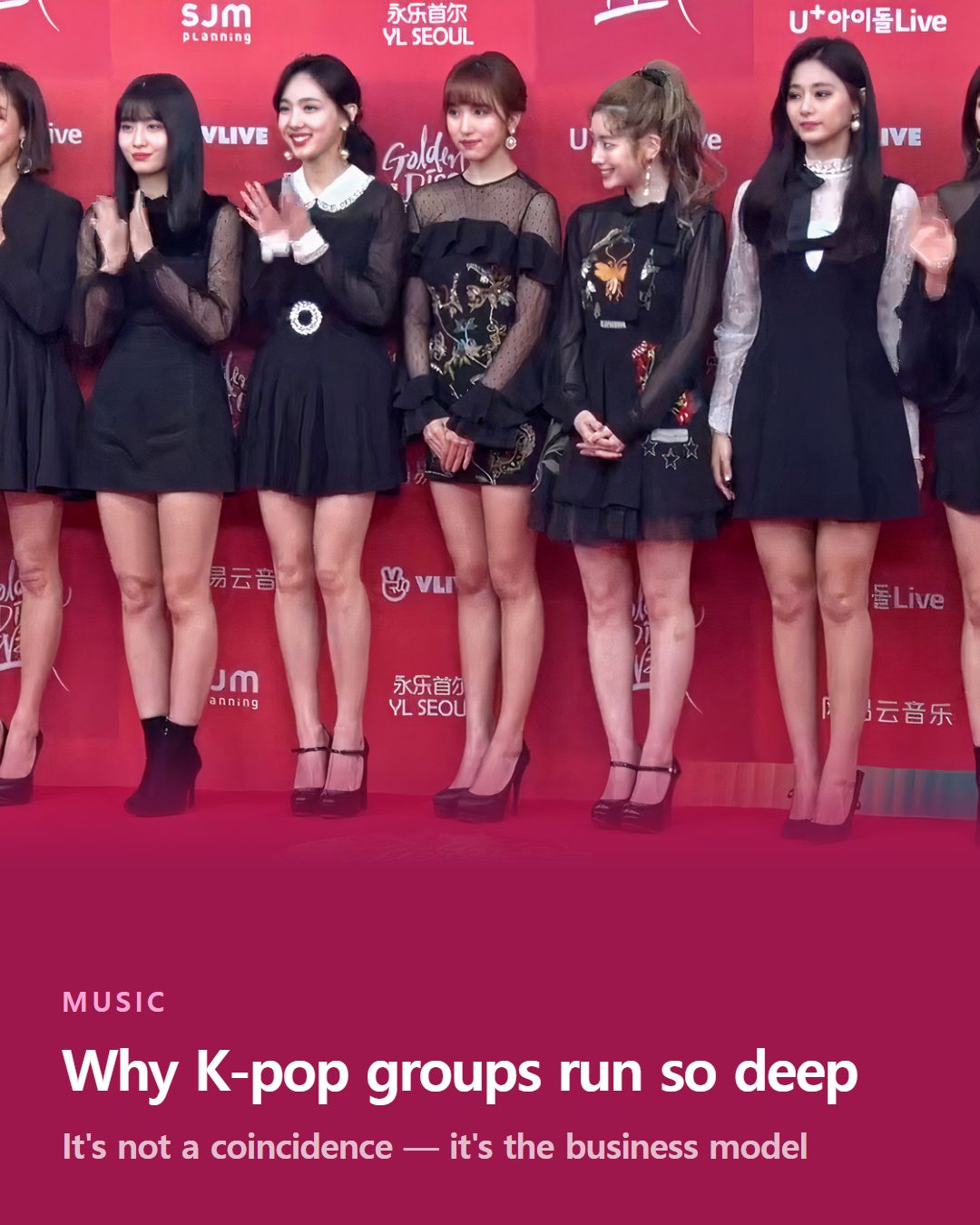
K-pop's oversized lineups aren't a cultural accident — they're a deliberate agency strategy built around specialized roles, subunit marketing, and global expansion.

Trainees are not employees and not guaranteed a debut — most spend two to five years, sometimes over a decade, auditioning for their own future inside a legal gray zone.

K-pop fandom names and the exact color of official lightsticks are not spontaneous fan traditions but corporate brand assets that agencies design, trademark, and legally defend.
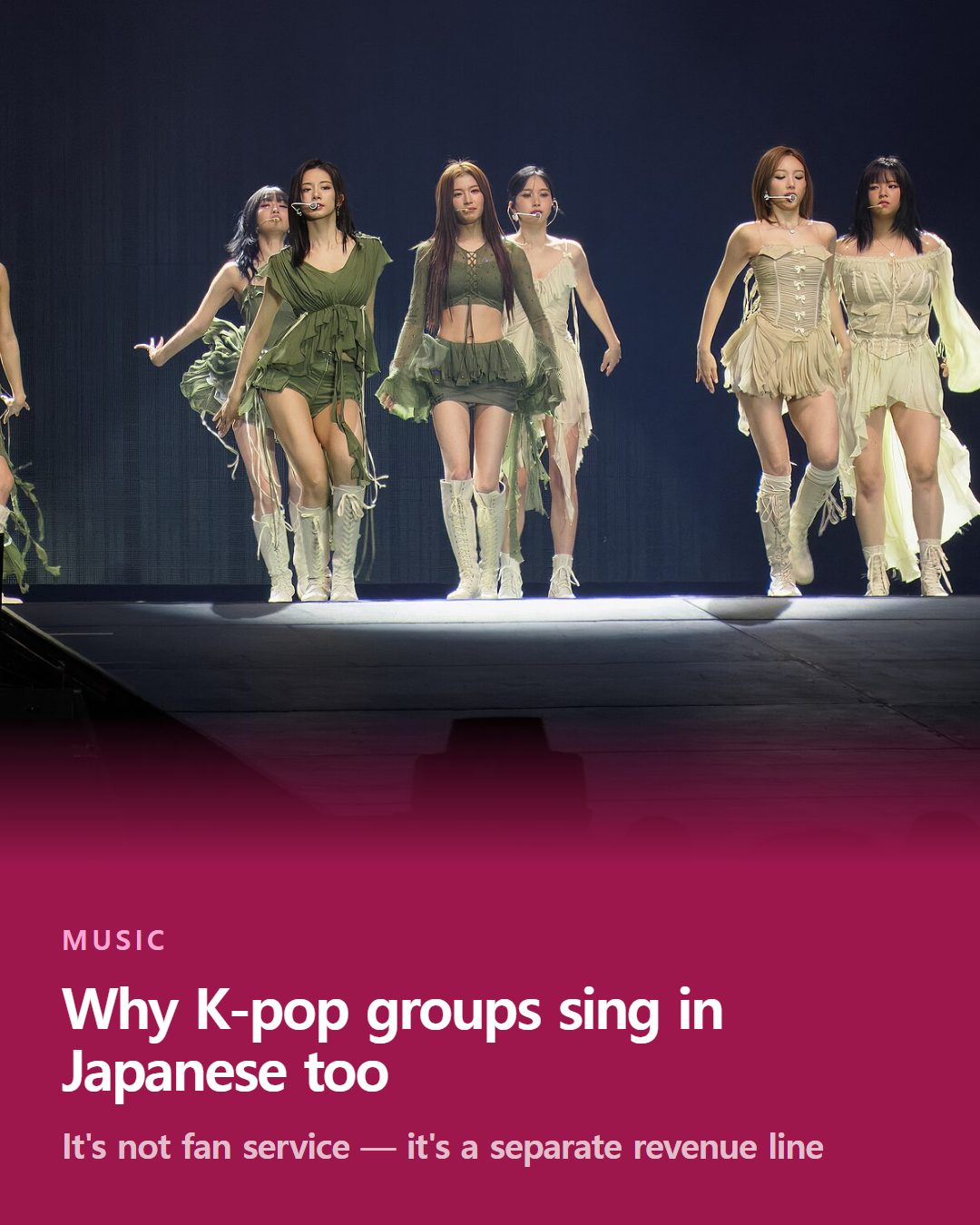
Japan is still K-pop's single biggest overseas market, and Japanese-language releases are the licensing, distribution and chart infrastructure that keeps that revenue flowing — not a bonus for fans.
A 2009 antitrust rule that caps Korean entertainment contracts at seven years explains why so many K-pop groups face a make-or-break renewal moment on their seventh anniversary.
K-pop albums come in multiple versions because photocards and first-week sales feed directly into chart rankings, awards, and an economy fans built around them.

Every K-pop group has a maknae, and the youngest member's role exposes how deeply Korea's age-based hierarchy and honorific speech shape idol life, on stage and off.
Korean streaming platforms like Melon run more than one ranking formula at once, and the gap between the fast-moving chart and the slower one is exactly what pushes K-pop fandoms into all-night, coordinated streaming campaigns.

How Korean agencies, producers, and sometimes fans pick the single song that will represent an entire K-pop album, and why the rest of the tracklist barely gets promoted at all.
What Korea is talking about today — with the context that does not make it into the English headlines.