How K-pop Agency Contracts Actually Work
A guide to the two-contract system, the standard seven-year term, and the trainee-cost settlement structure that decide how much K-pop idols actually earn.
Exclusive contracts, trainee years, and who actually owns a group's name.
14 stories
A guide to the two-contract system, the standard seven-year term, and the trainee-cost settlement structure that decide how much K-pop idols actually earn.
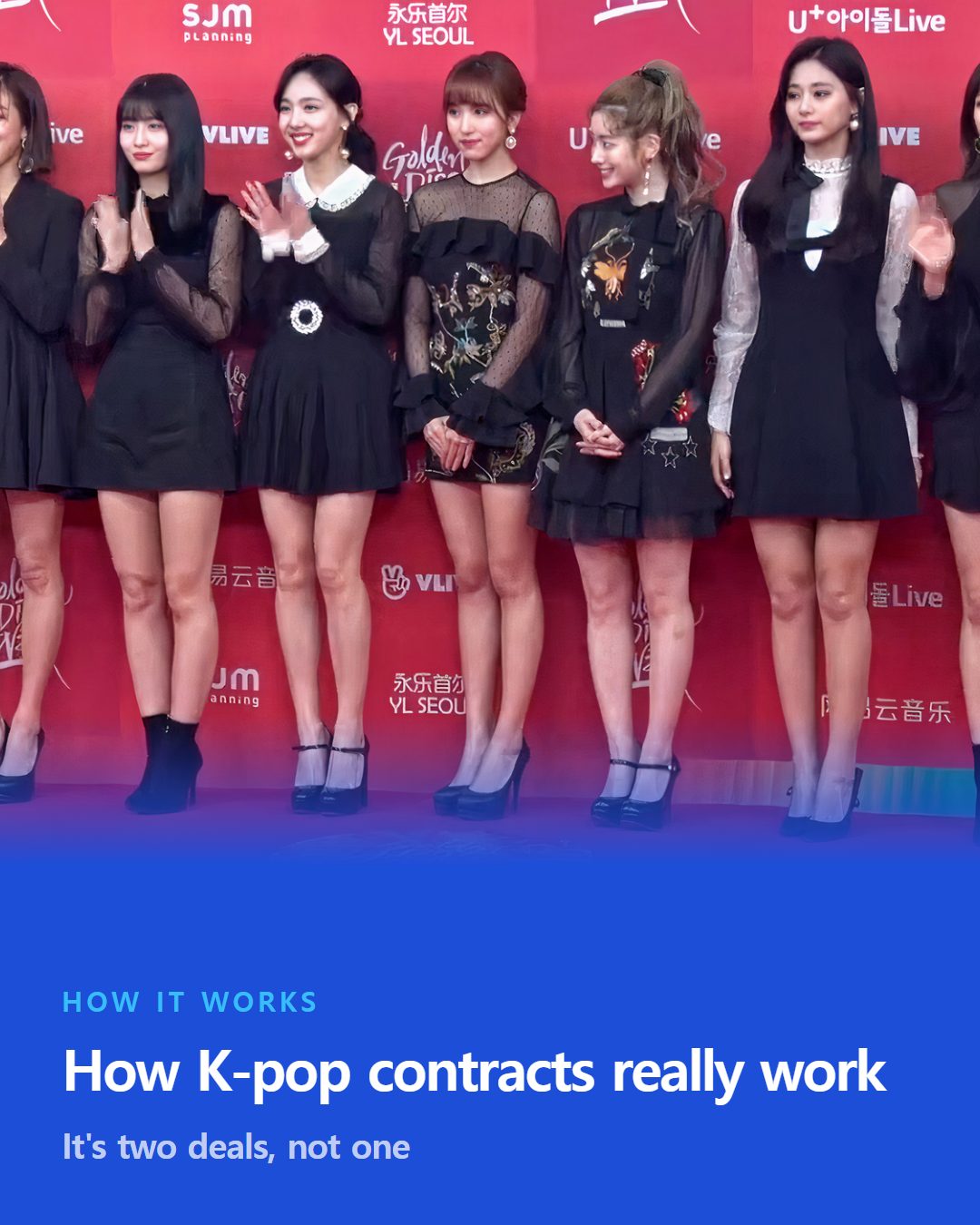
TWICE's Chaeyoung has left JYP Entertainment to go solo, but she is not leaving TWICE — here is the contract structure that makes that possible, and why it looks nothing like the NewJeans-ADOR dispute international readers may already know.
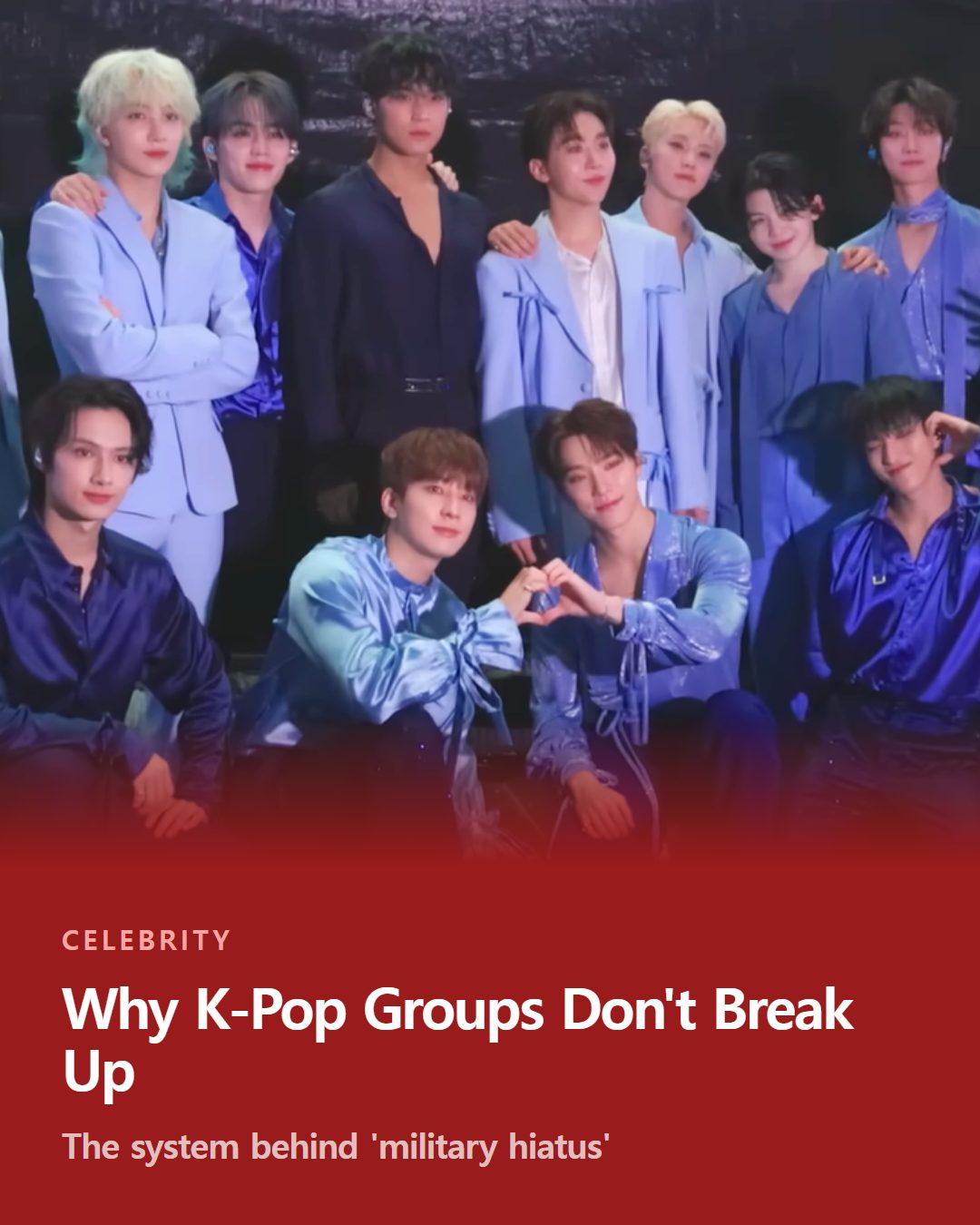
South Korean law requires nearly all male citizens to serve 18 to 21 months in the military, so K-pop groups have built a standard playbook of sub-units, solo work and staggered enlistment to keep operating instead of disbanding.
A guide to sasaeng fans — the obsessive stalkers of K-pop idols — and how South Korean law and agencies have escalated their response, from a 2021 anti-stalking act to GPS-tracker lawsuits in 2026.
K-pop's oversized lineups aren't a cultural accident — they're a deliberate agency strategy built around specialized roles, subunit marketing, and global expansion.
In Korea, an idol's group name and even their personal stage name are usually trademarks owned by the agency, not the performer — so leaving the company can mean losing the name too.
Trainees are not employees and not guaranteed a debut — most spend two to five years, sometimes over a decade, auditioning for their own future inside a legal gray zone.
In K-pop, a 'comeback' just means an active group is releasing new music — not returning from a break — and understanding that unlocks why the industry moves the way it does.

A 2009 antitrust rule that caps Korean entertainment contracts at seven years explains why so many K-pop groups face a make-or-break renewal moment on their seventh anniversary.

International fans see the apology letters go viral; they rarely see the agency-run vetting process, the self-reflection hiatus, and the harsher, more permanent consequences that make Korean celebrity apologies look so different from Western ones.
Why a K-pop idol can be criticized for calling a legend "Mr. Seo" instead of "sunbae" — and how the same senior-junior rule runs schools, offices, and idol groups across Korea.
A guide to the years-long, unpaid, and legally fraught process that turns a teenager into a K-pop idol — and why most trainees never make it to debut.
How Korean agencies, producers, and sometimes fans pick the single song that will represent an entire K-pop album, and why the rest of the tracklist barely gets promoted at all.
International fans often read a K-pop idol's agency change as a scandal, but in Korea it's usually just a fixed-term contract reaching the date it was always going to reach.
What Korea is talking about today — with the context that does not make it into the English headlines.