
Do Koreans Really Eat With Their Mouths Open?
The search term gets Korean table manners backwards — the real rule is chew quietly with your mouth closed, and the loud-eating image comes from a broadcast genre, not daily habits.
38 stories
The search term gets Korean table manners backwards — the real rule is chew quietly with your mouth closed, and the loud-eating image comes from a broadcast genre, not daily habits.

Homemade soy-marinated eggs keep for 2 to 7 days depending on how they're boiled and stored, not the 90 days sometimes quoted online for factory-made jangjorim.

The claim that most Koreans can't digest milk is older, and more complicated, than the viral 75 percent statistic suggests.
Korea's official average dinner time is 7:09 p.m., but overtime culture and mandatory team dinners stretch the real mealtime across a three-hour window that has no real equivalent in the West.
A single gene, first identified through earwax texture, explains why a majority of Koreans genuinely produce far less underarm odor than most Europeans or Africans.
The reader will learn that 때밀이 is a brisk, paid bathhouse service rooted in postwar Korean infrastructure, not a spa treatment, and why that distinction is the whole point.
A jjimjilbang is not a bathhouse with a sauna attached — it's a 24-hour complex where Korean families eat, watch TV, and sleep in the same public room, and that distinction changes how you should walk in the door.
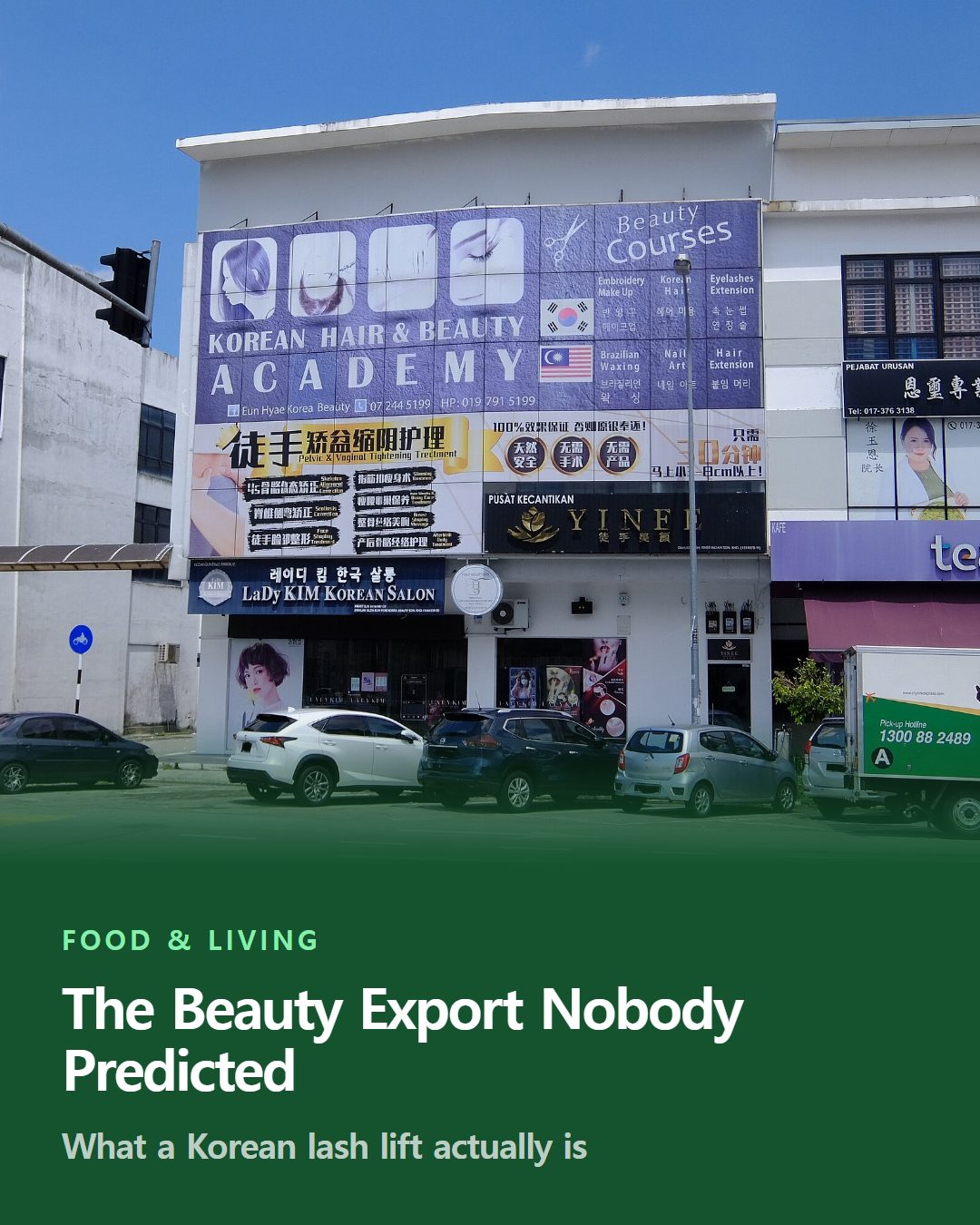
A Korean lash-perming technique built for straighter, downward-growing lashes has become one of 2026's fastest-spreading beauty exports, and the reasons trace back to Korean beauty philosophy as much as to chemistry.
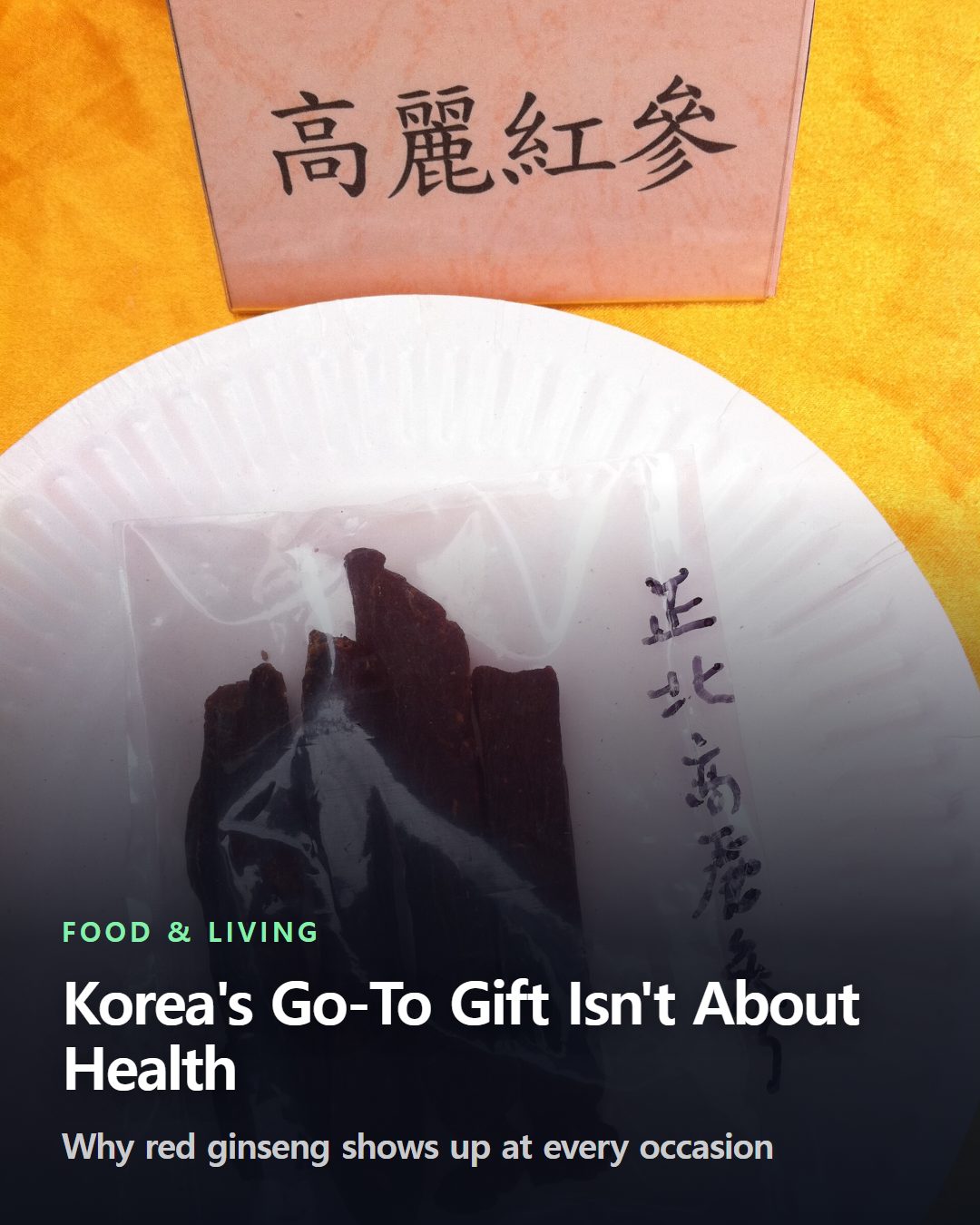
Red ginseng dominates Korean gift-giving not because its health benefits are scientifically settled, but because it has become the default object for signaling care at holidays, hospital visits, and exam season.
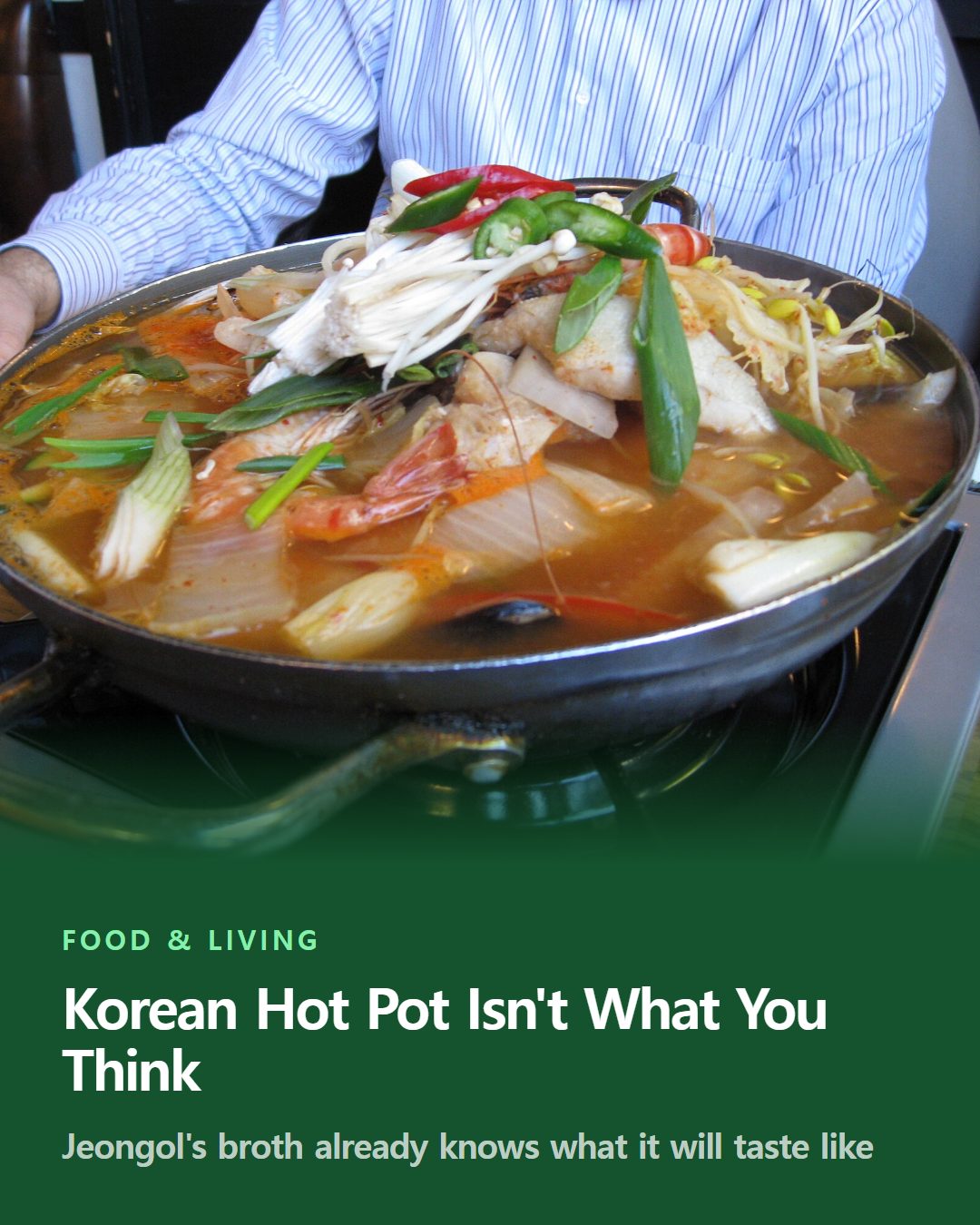
Korean jeongol, Japanese nabe, and Chinese hot pot all simmer shared ingredients in one pot, but they season, arrange, and serve the broth in fundamentally different ways.
Korea's iced Americano habit is less a matter of taste than the product of cafe turnover economics, office ordering culture, and a franchise coffee supply chain built for ice rather than a warm cup.
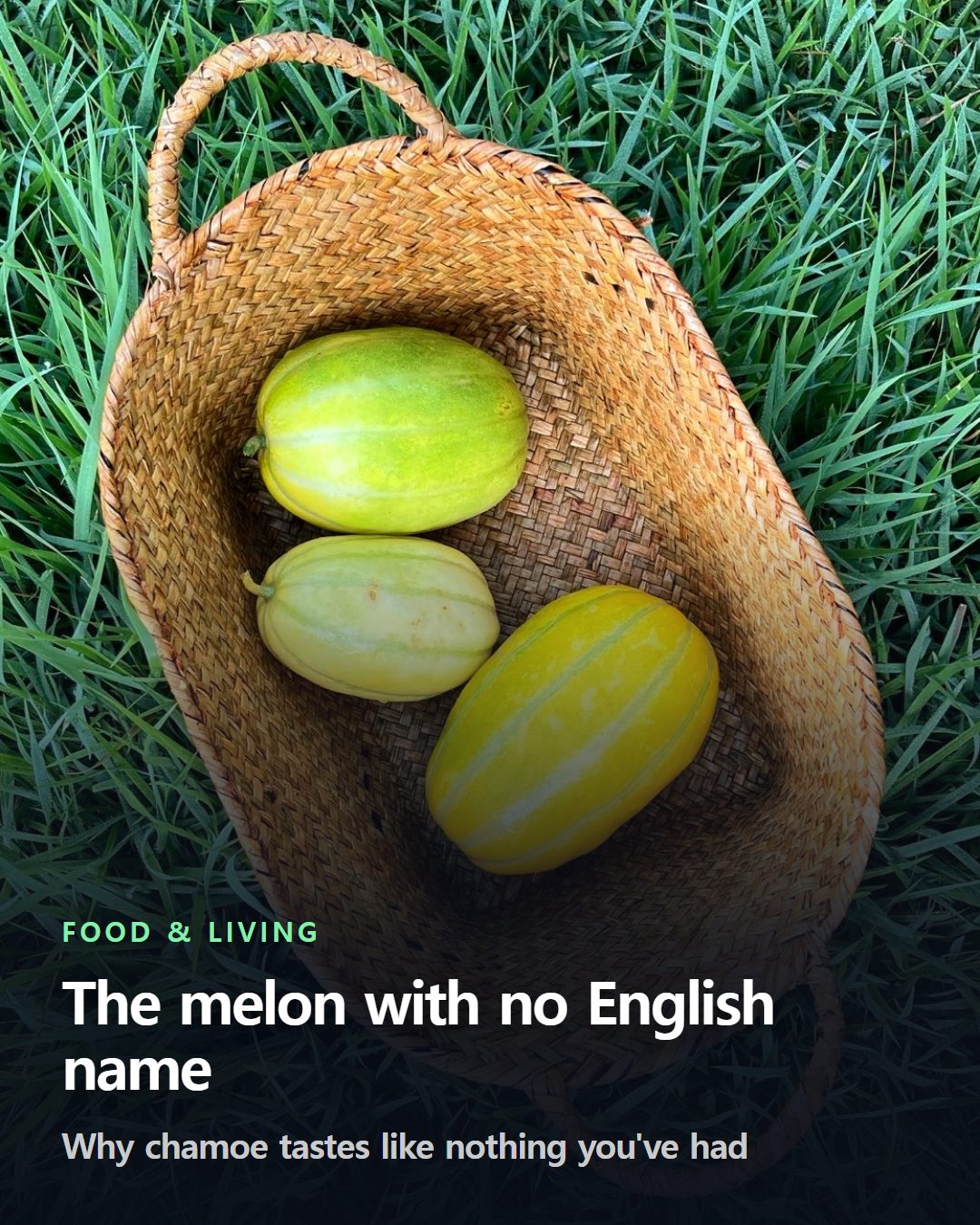
Chamoe has no real Western equivalent, and the reason is botanical, not just cultural — here is the science, the breeding history, and the export numbers behind Korea's summer melon.
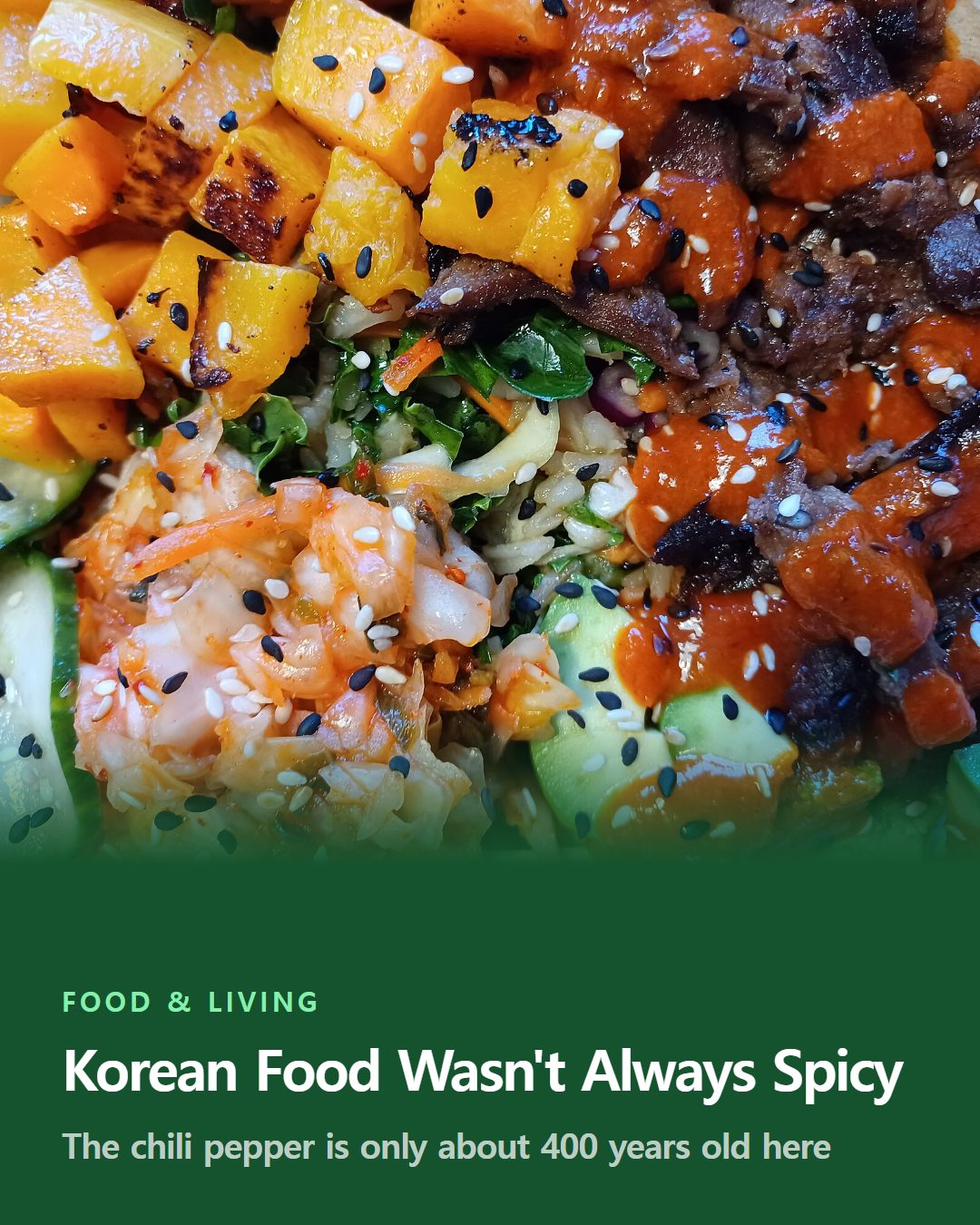
Korea's chili pepper arrived only in the 1590s — centuries after kimchi itself existed — and it took another hundred years before red, spicy food became the national default.
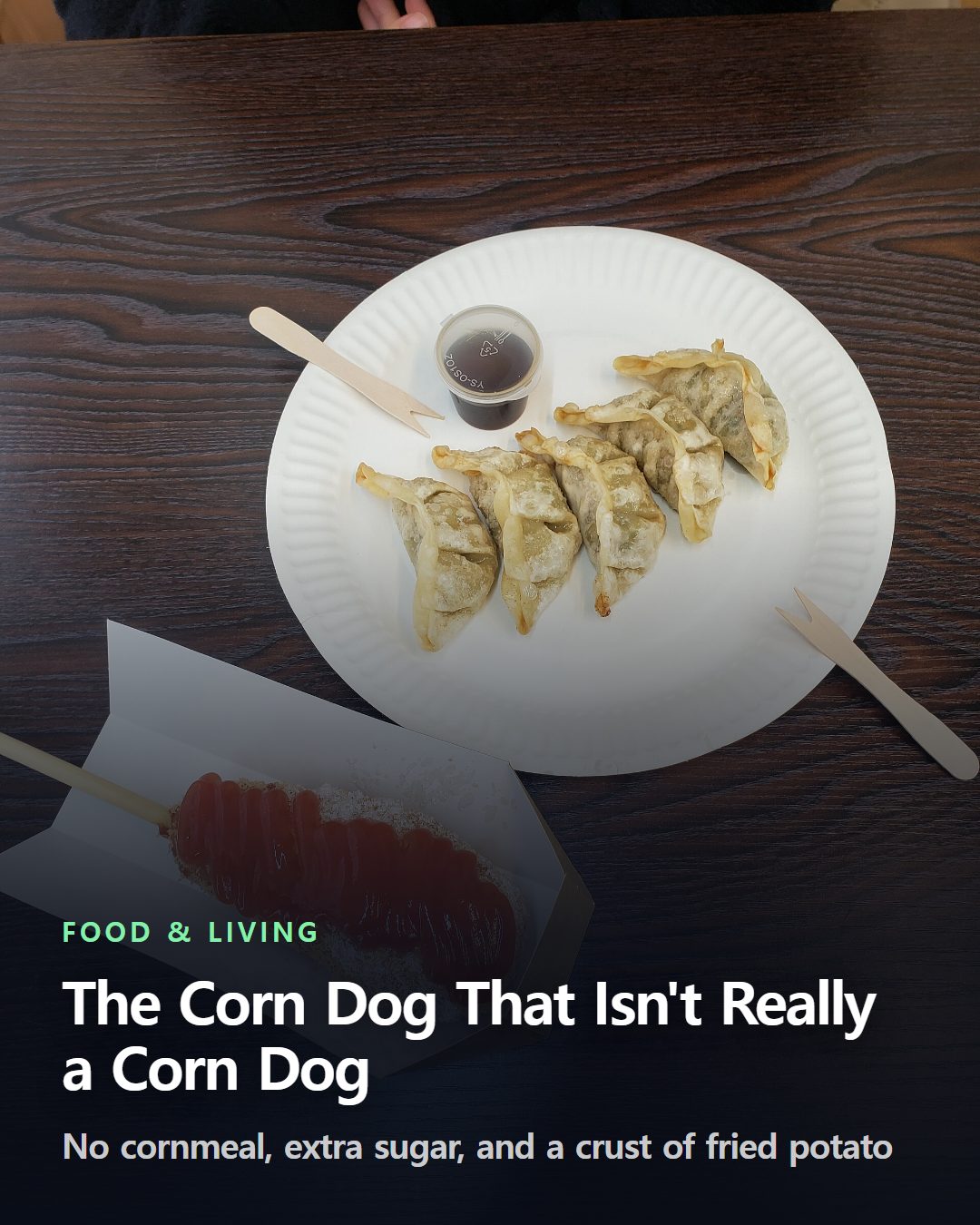
Korean corn dogs swap cornmeal for yeasted rice batter, add cubed potato and sugar, and turned into a global franchise business after a single 2021 TikTok moment.
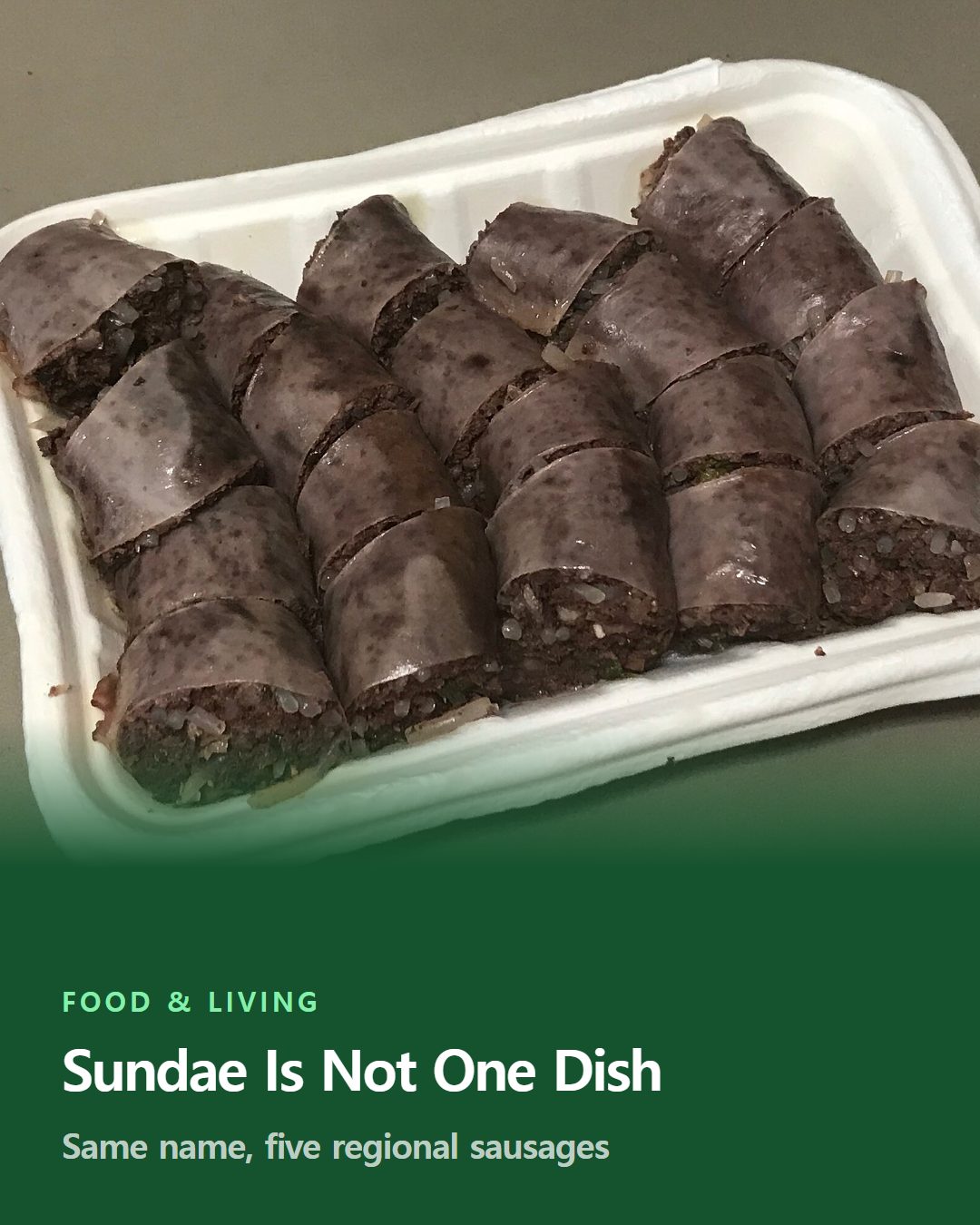
Korean sundae is not one dish but a family of regional sausages that change casing, filling, and dipping sauce depending on where in Korea you order it.
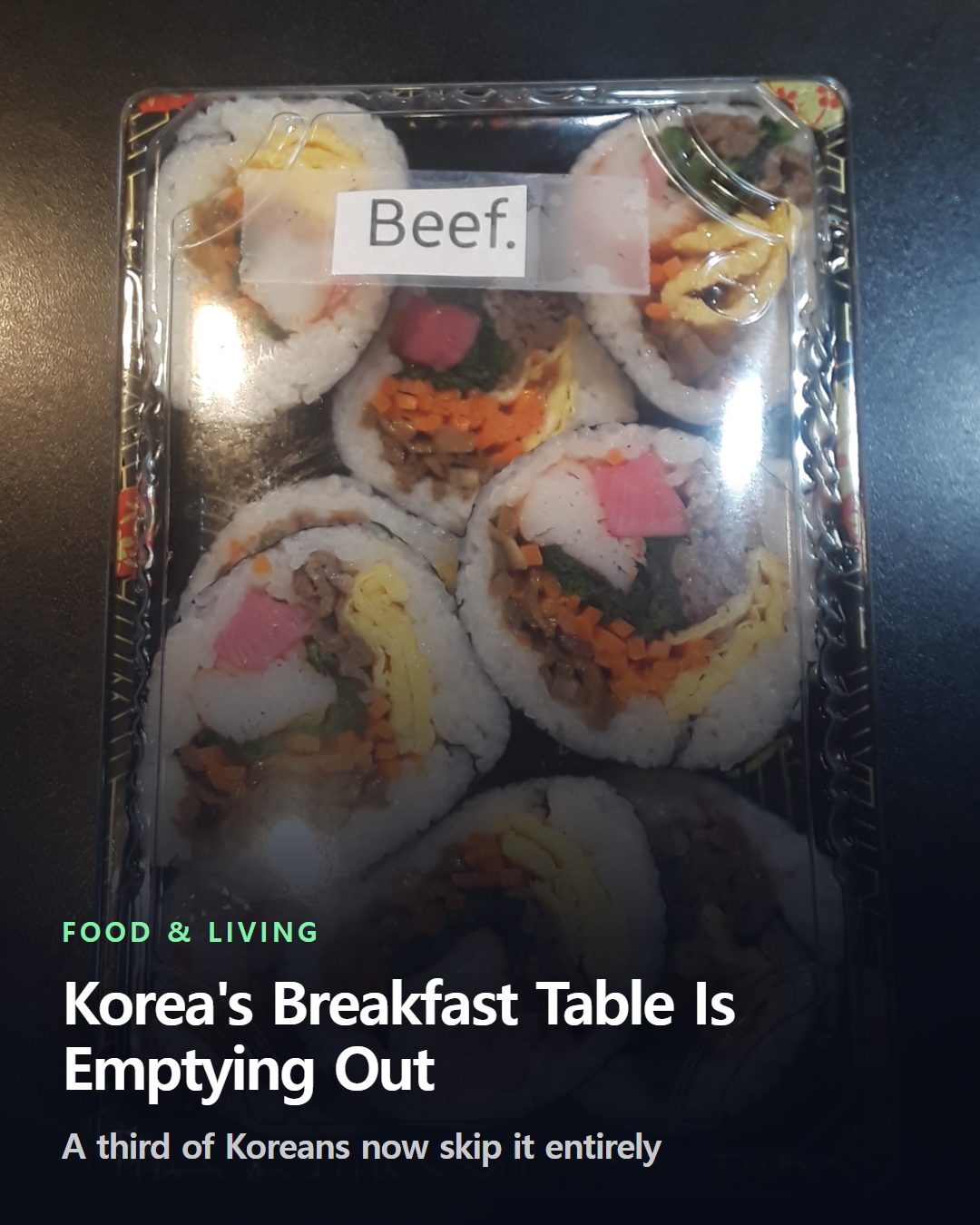
Government data show a third of Koreans now skip breakfast entirely, and among those who still eat, rice and soup are increasingly losing ground to convenience-store gimbap and corporate meal subscriptions.
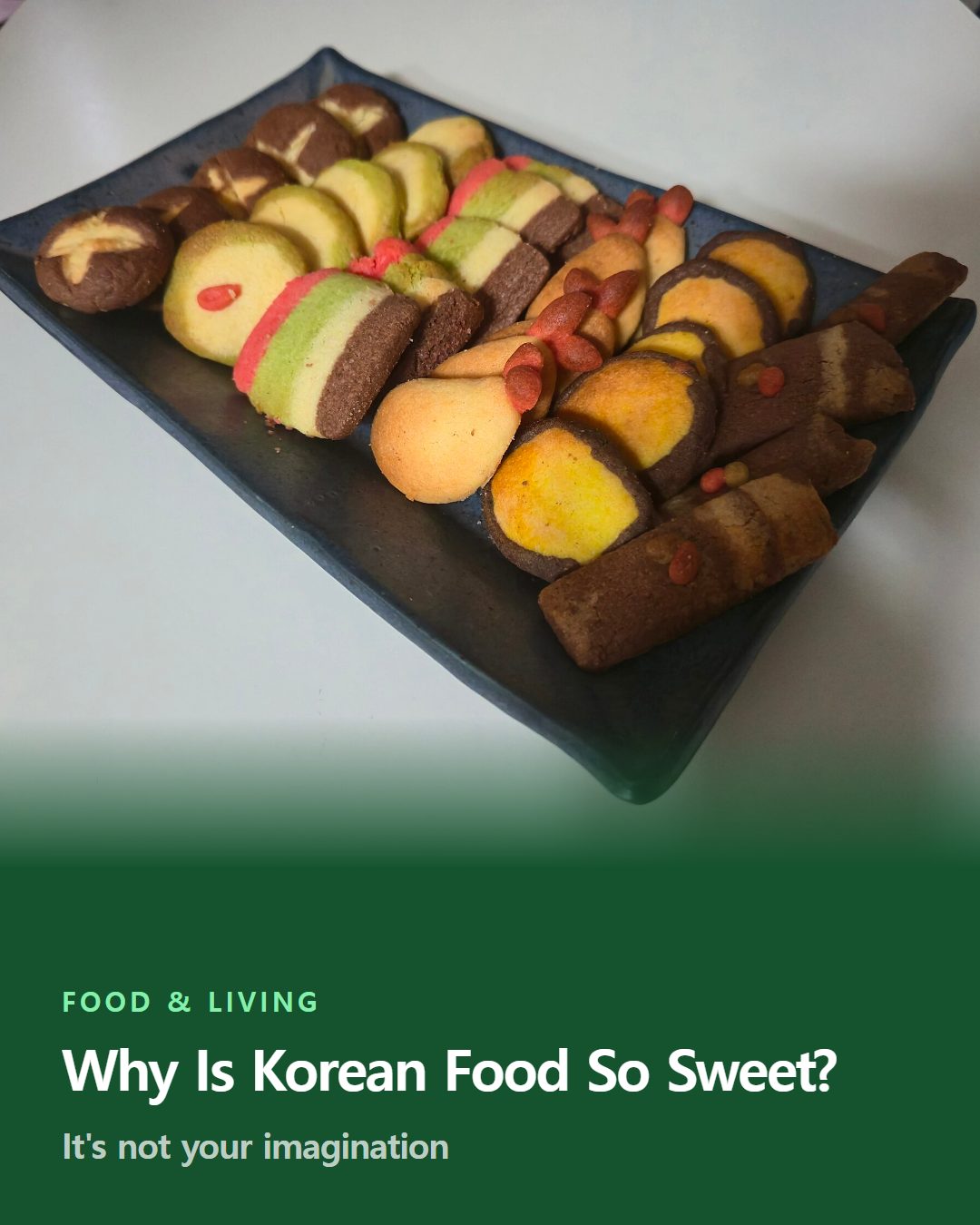
Lab testing, sales data, and a century of sugar policy show that Korean food really has gotten sweeter — and the reasons are mostly commercial, not cultural.
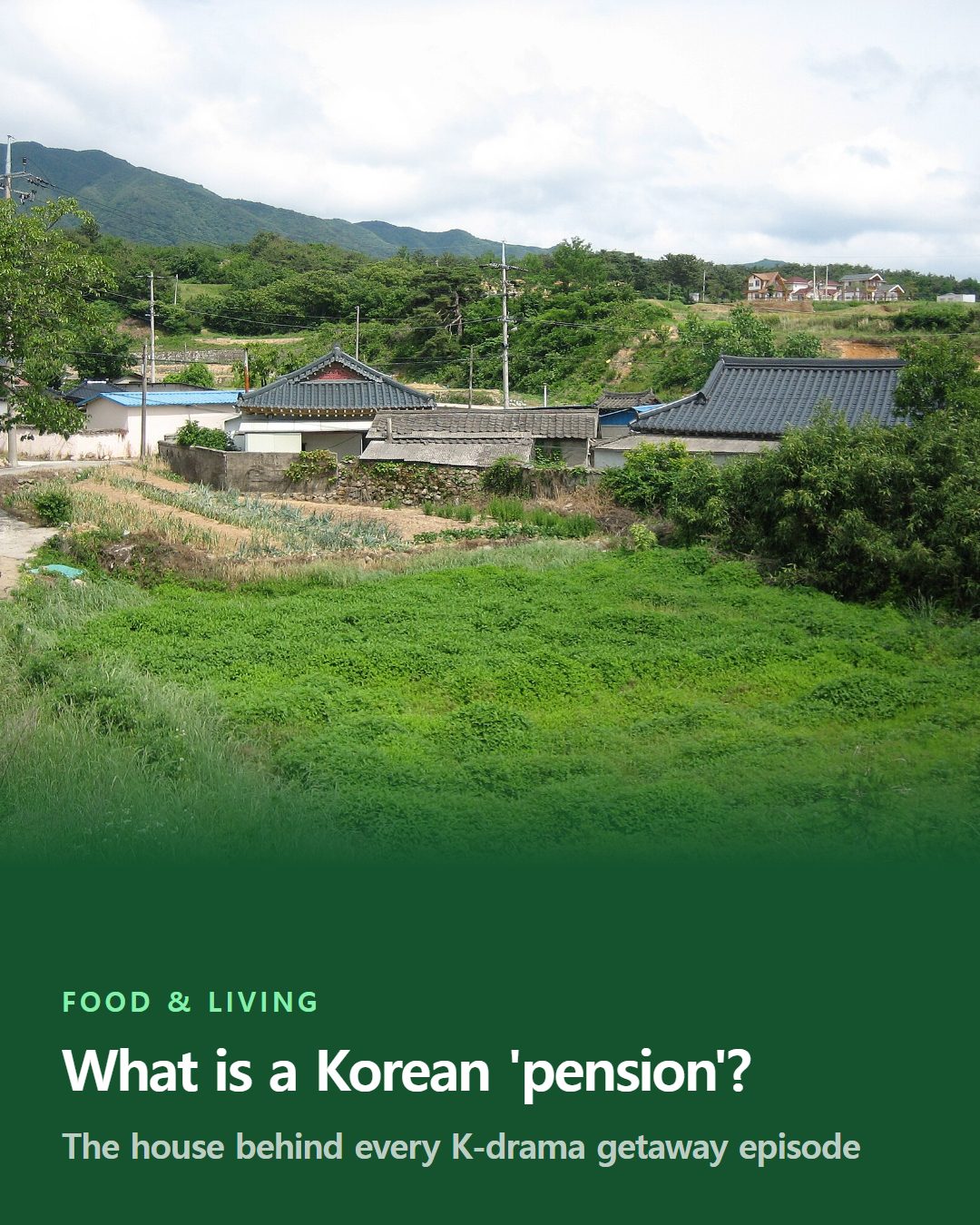
A Korean 'pension' is a legally distinct rental-house category born out of the 1997 financial crisis, and its private kitchen and whole-house layout explain why it shows up in nearly every K-drama getaway episode.
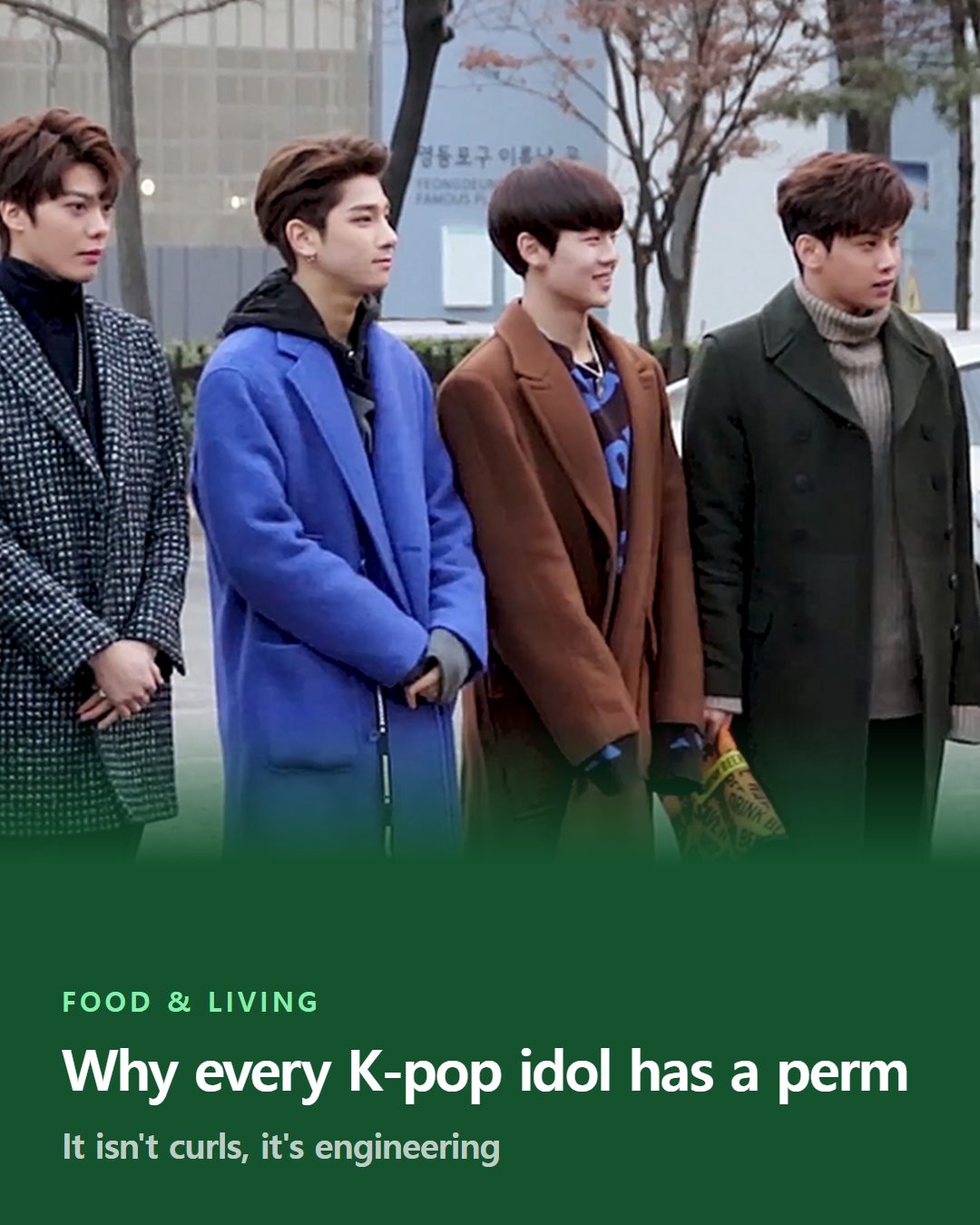
A Korean perm on a male idol is not a curl choice but a fix for a specific hair-texture problem, redesigned every comeback by agency stylists and now copied by salons worldwide.
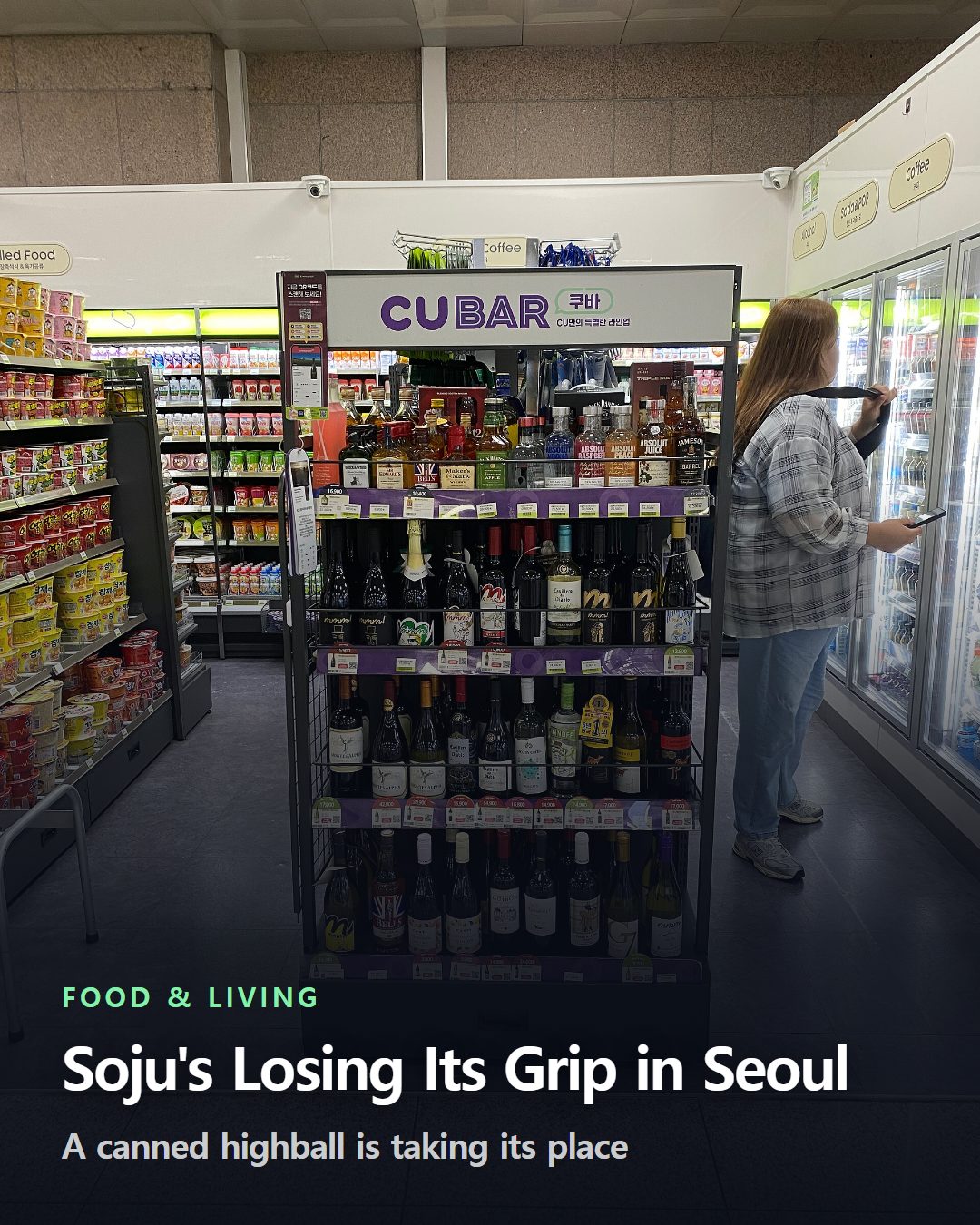
A low-proof canned cocktail is outselling soju in Korean convenience stores, and the reason has less to do with taste than with a generation drinking on very different terms.
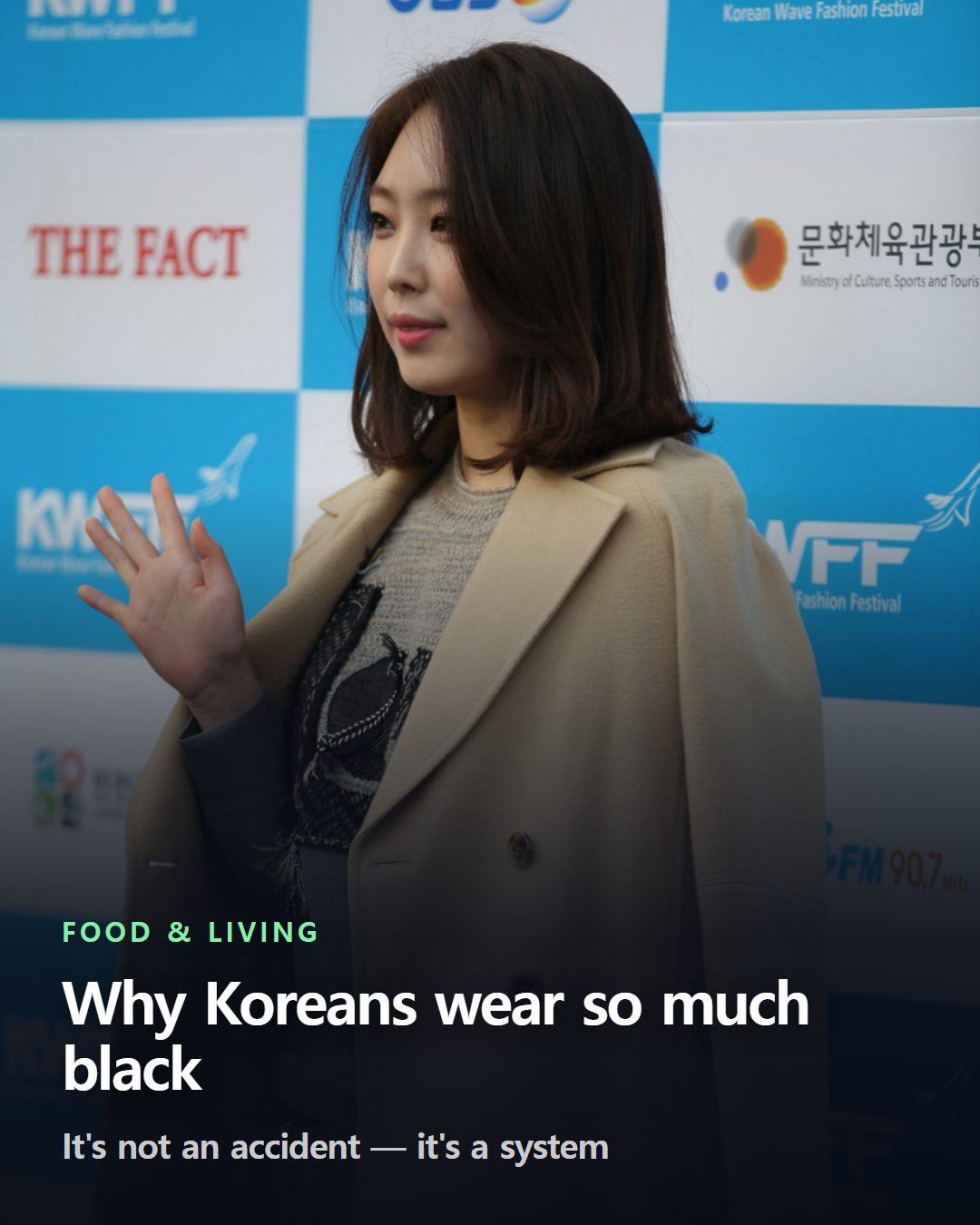
A look at the social code, workplace rules, and fashion industry economics that make black, white, and gray Korea's default wardrobe colors.
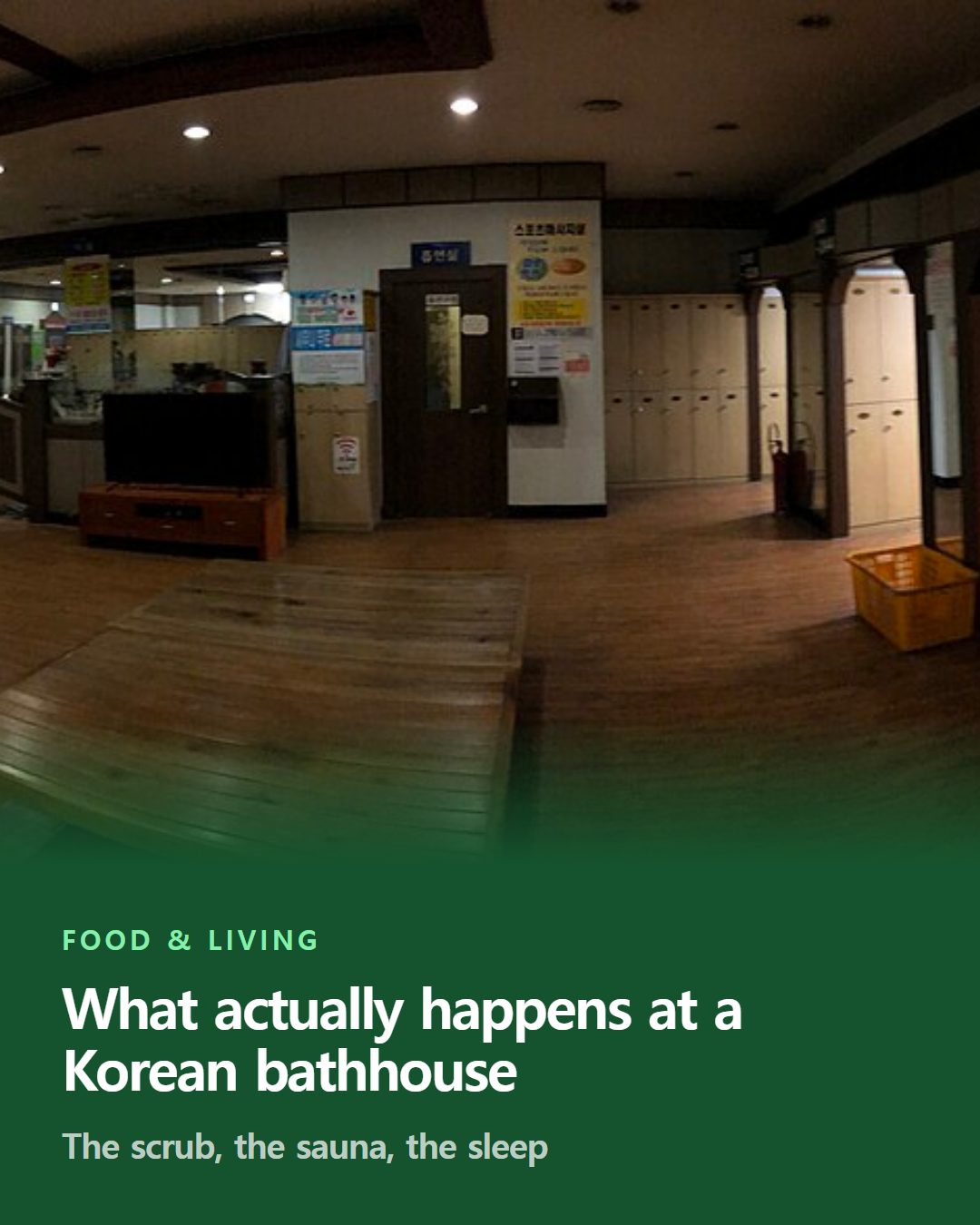
A step-by-step account of what happens inside a Korean bathhouse — the nude bathing hall, the paid skin scrub, the co-ed sauna floor — and why each step exists.
A law passed in 2024 shuts down Korea's dog meat trade by February 2027 — this is the summer tradition it interrupts and the generational split that finally made a ban possible.
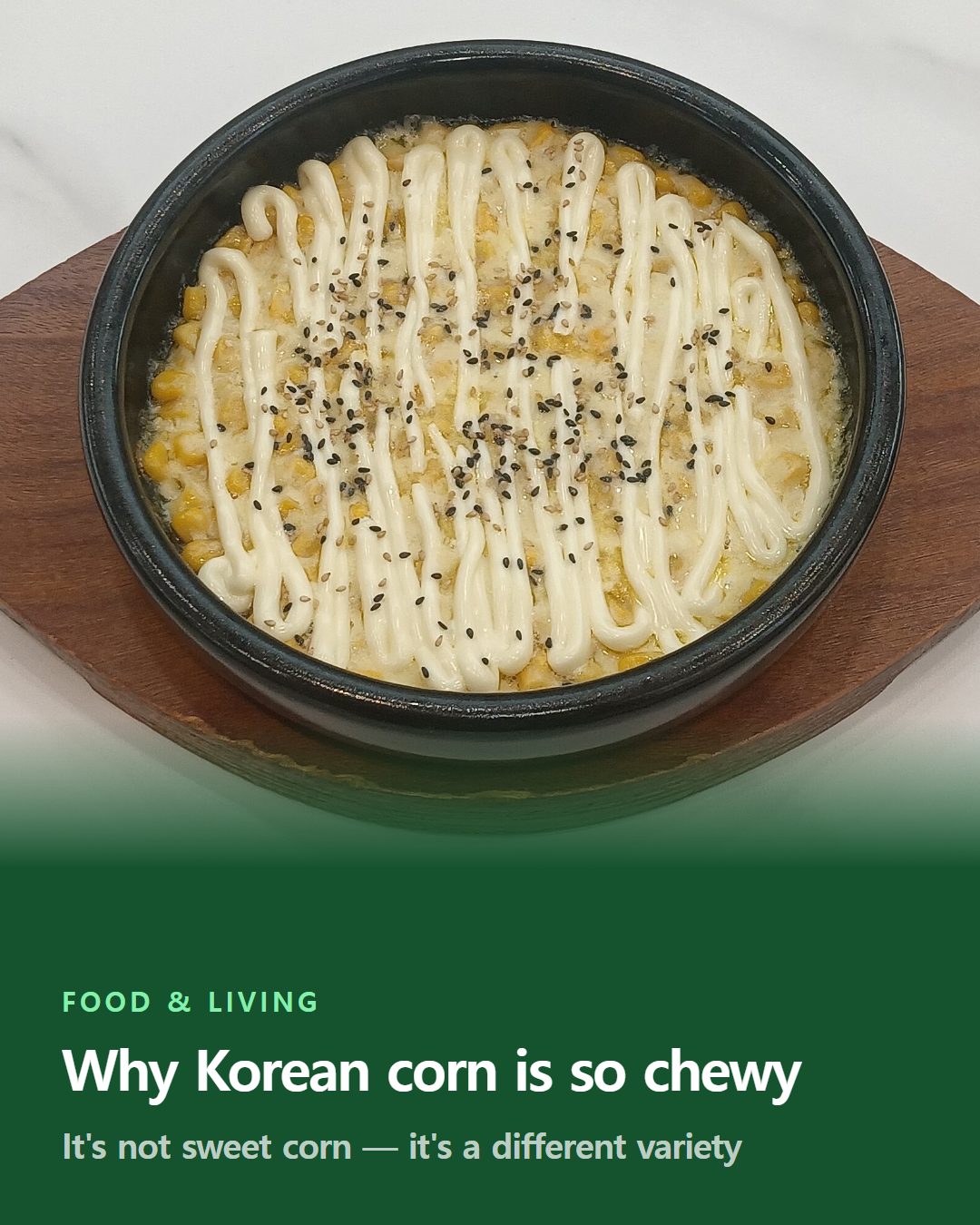
Korea's everyday corn is a genetically distinct 'waxy' variety bred for stickiness rather than sugar, which is why it confuses visitors expecting sweet corn.
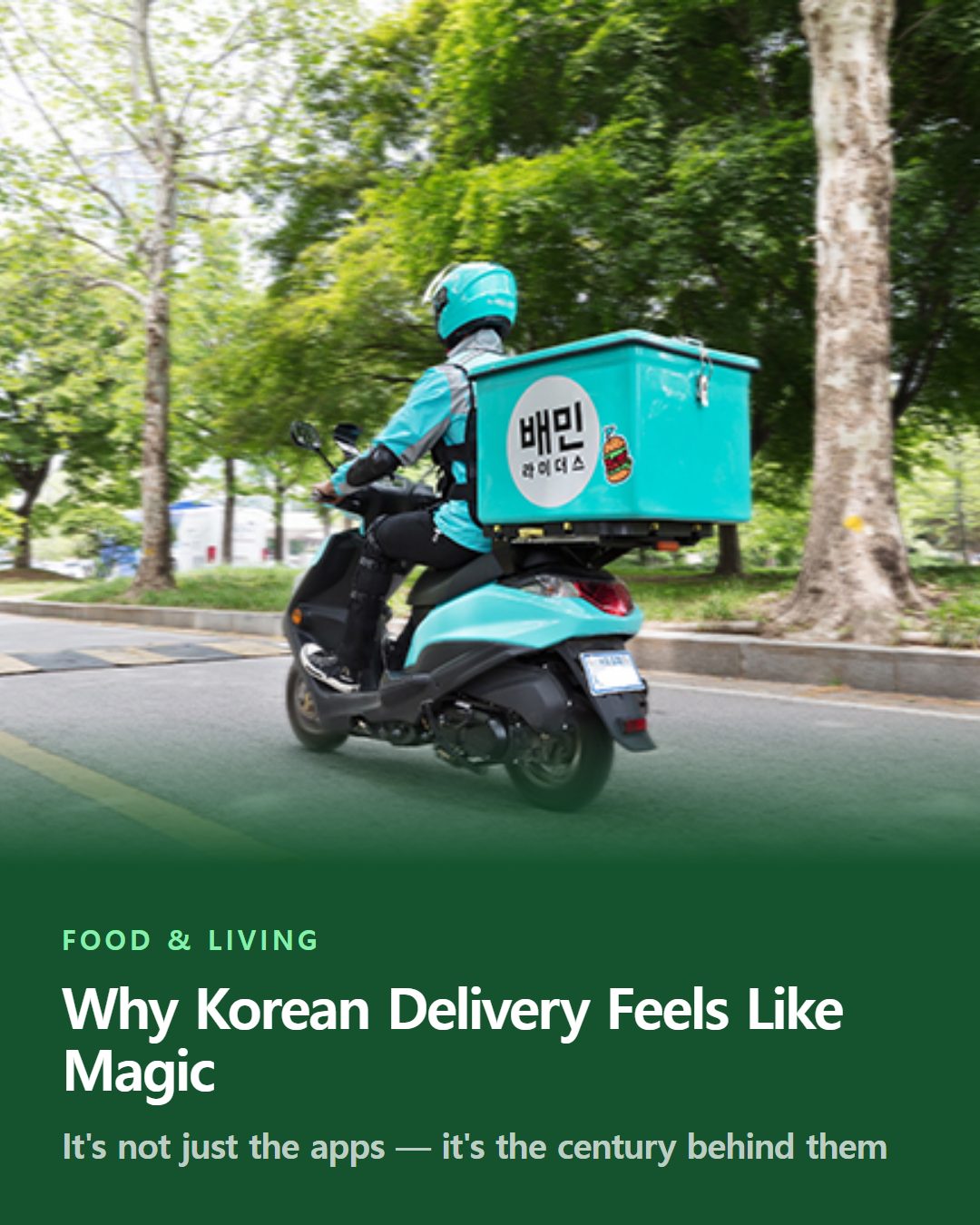
Korea's delivery apps look effortless from the outside, but they run on a century-old delivery tradition, apartment-block logistics, and a rider and commission structure that most customers never see.
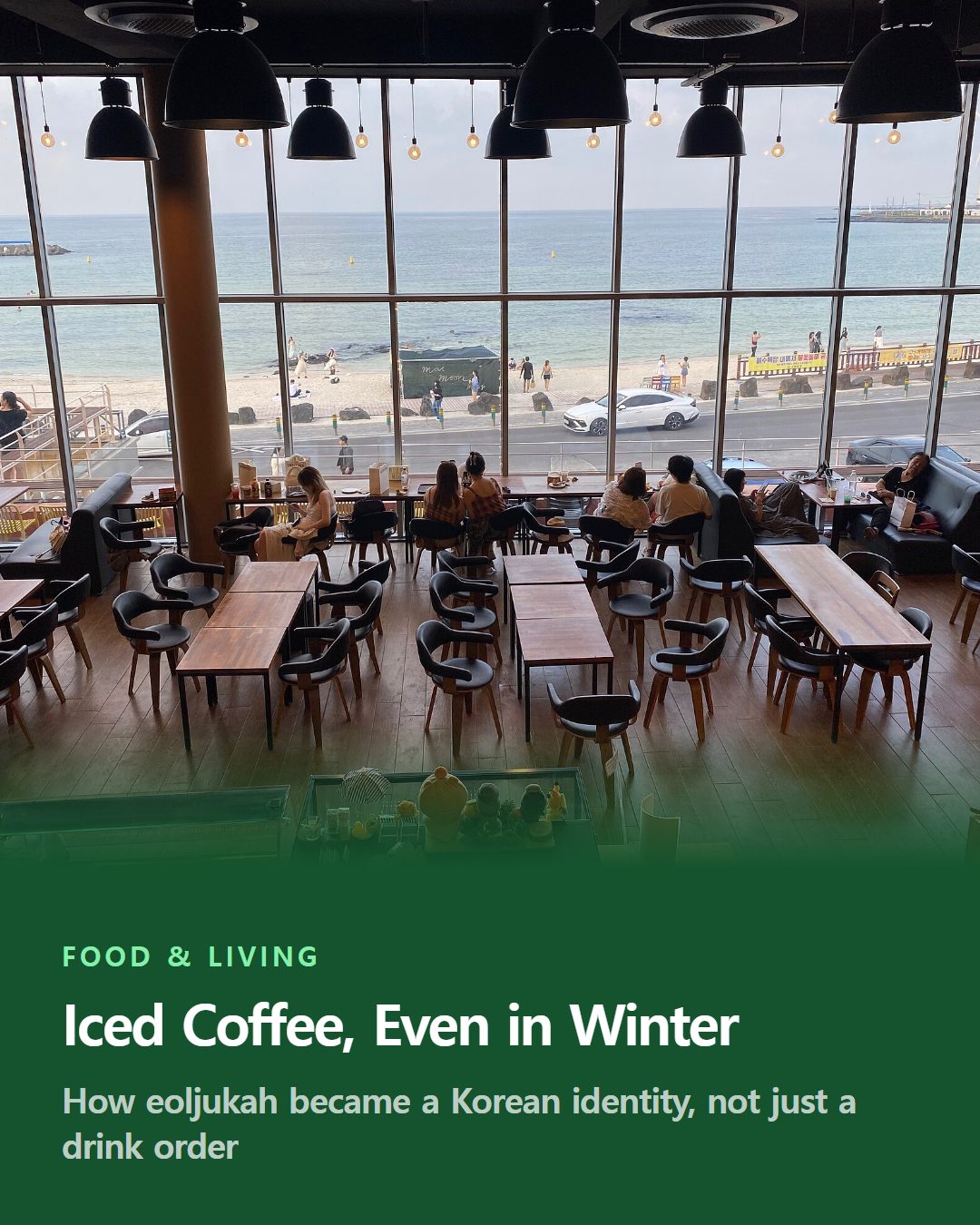
Korea's habit of drinking iced Americanos through freezing winters comes from low-cost cafe chains and celebrity marketing turning a coffee order into a lifestyle identity.
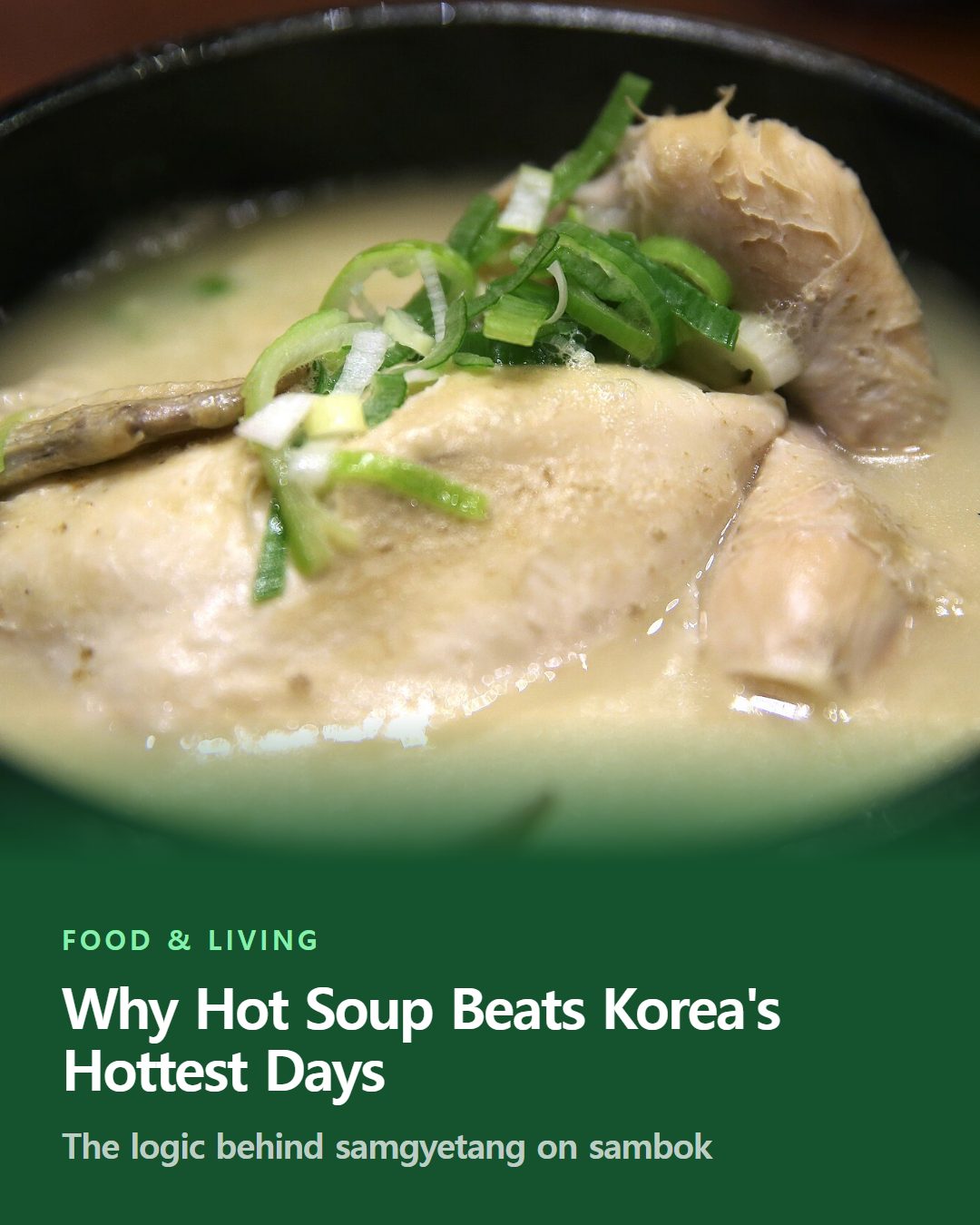
The Korean habit of eating scalding ginseng chicken soup on the year's hottest days rests on centuries-old medical logic, a royal-court ritual, and a name swap that took decades to catch on.
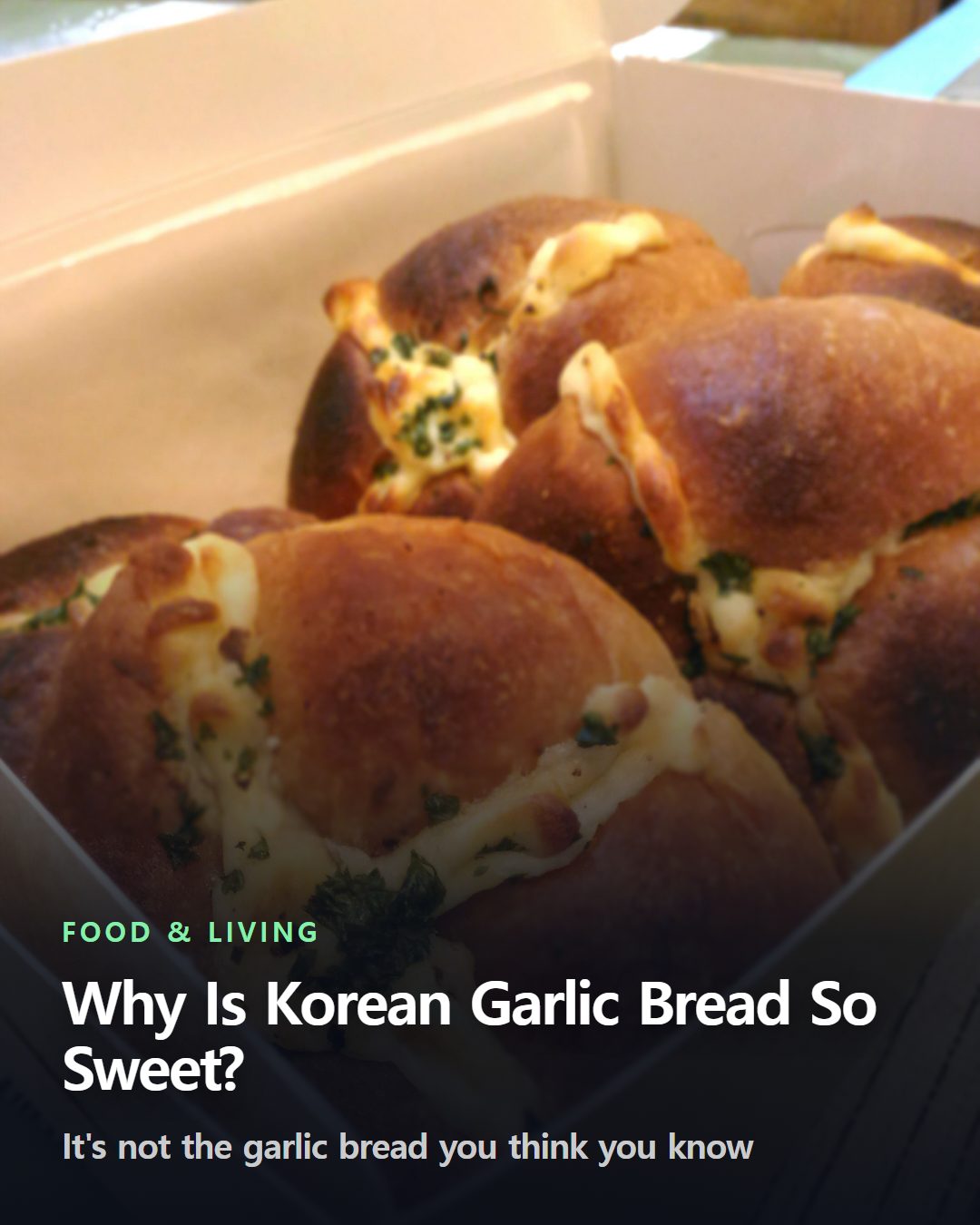
Korean garlic bread swaps a savory Western spread for a sweet egg-and-honey custard, a twist rooted in a century of Korean bakeries treating bread as dessert rather than a meal.
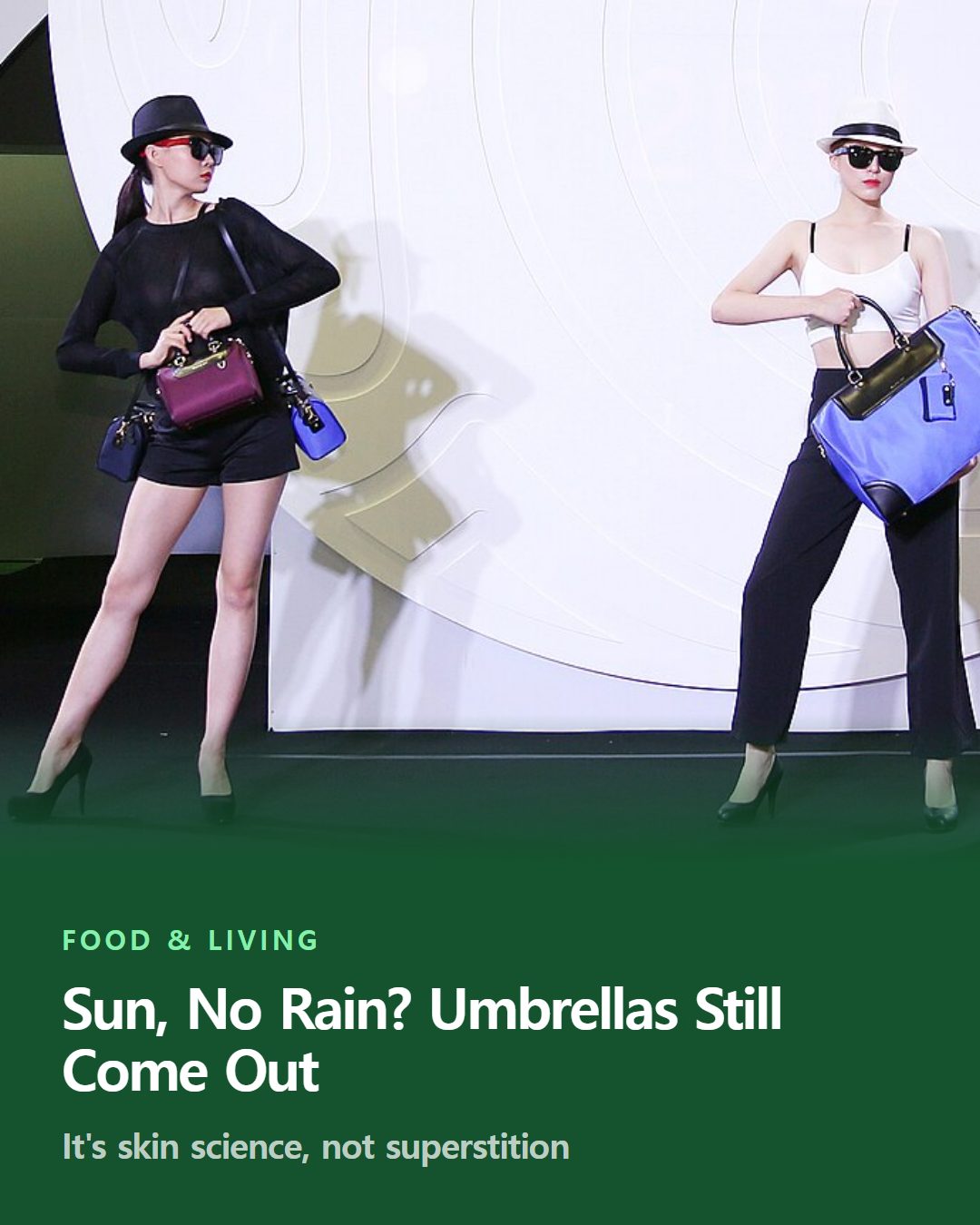
In Korea, a cloudless sky is a reason to reach for a parasol and arm sleeves, a habit rooted less in vanity than in centuries-old ideas about class, and in modern dermatology about UV damage.
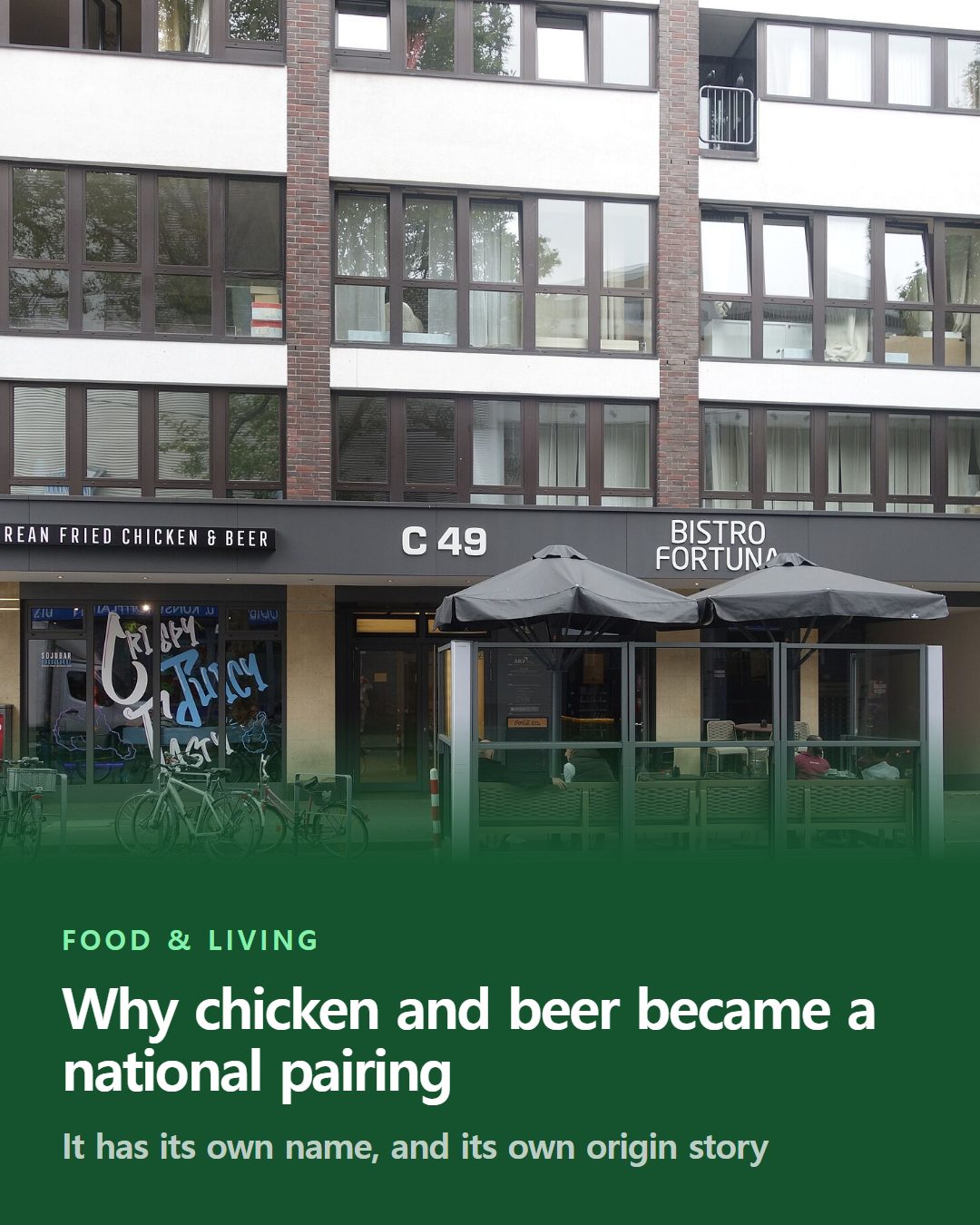
The Korean tradition of pairing fried chicken with beer has its own name, its own festival, and a documented moment when a single K-drama exported it to millions of people abroad.
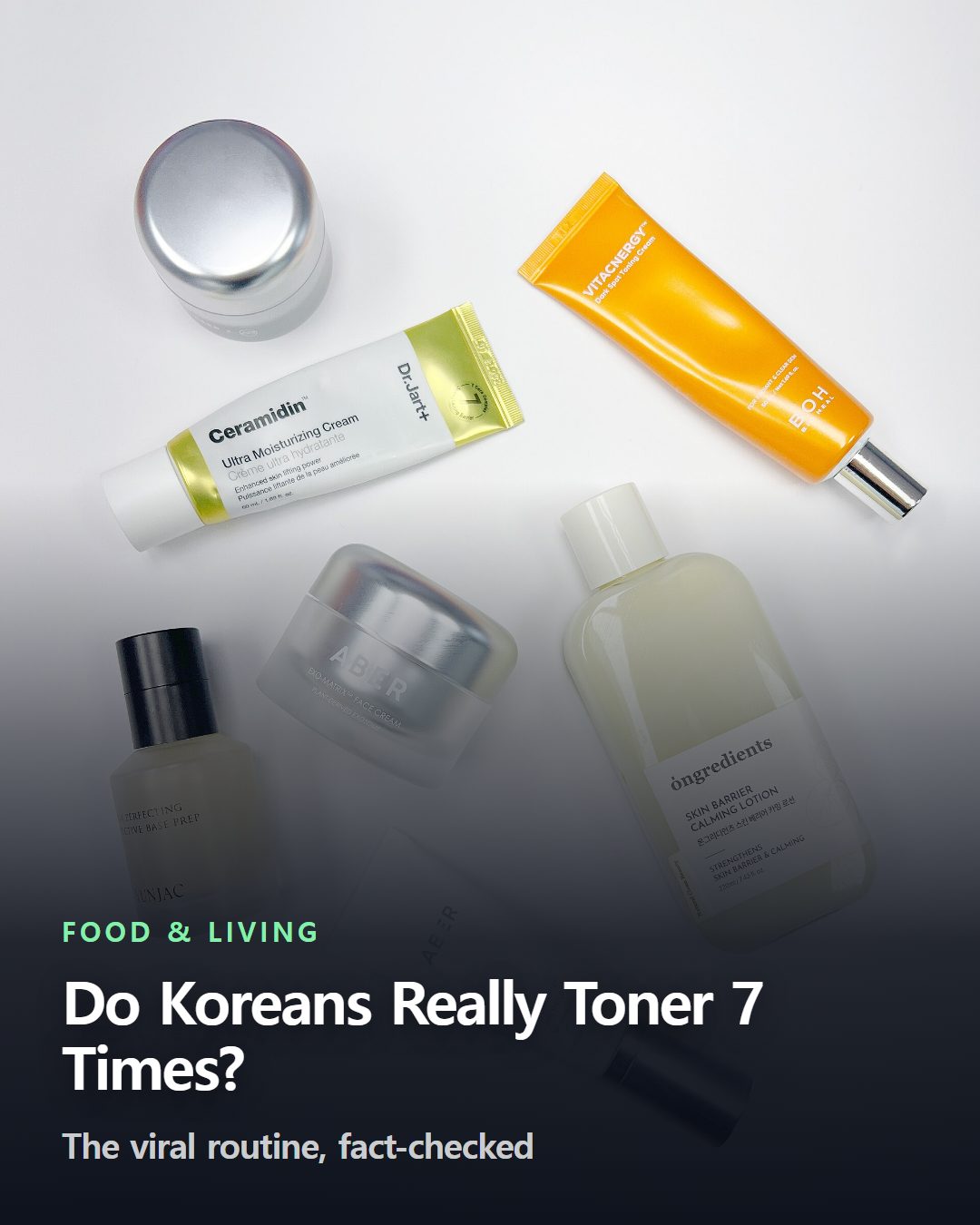
The viral '7-skin method' — patting toner onto your face seven times — is less an everyday Korean habit than an export-friendly marketing story, and Korea itself has moved on to simpler routines.
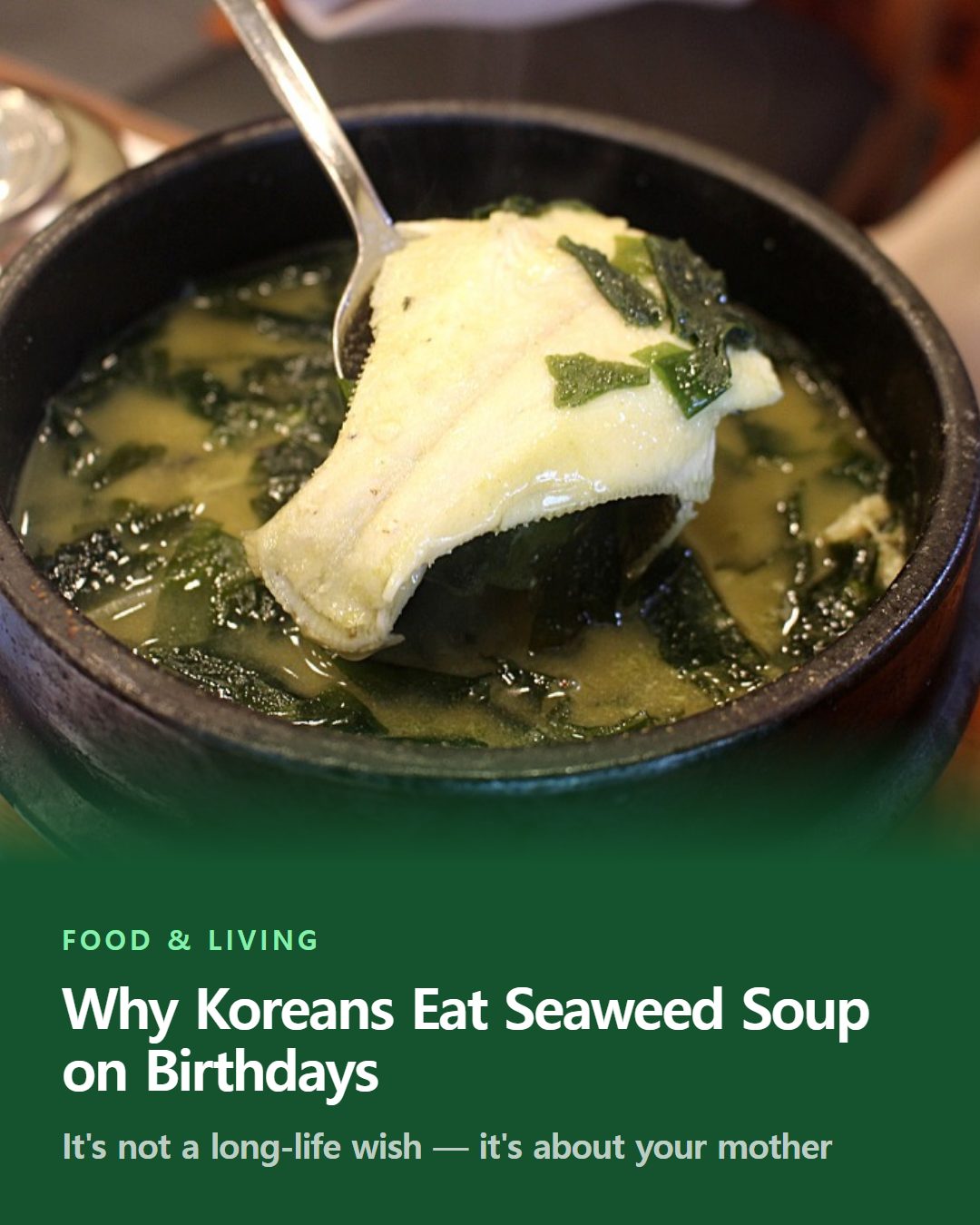
In Korea, the seaweed soup eaten on birthdays isn't a wish for long life — it started as a mother's postpartum recovery food, and eating it is a way of thanking her.
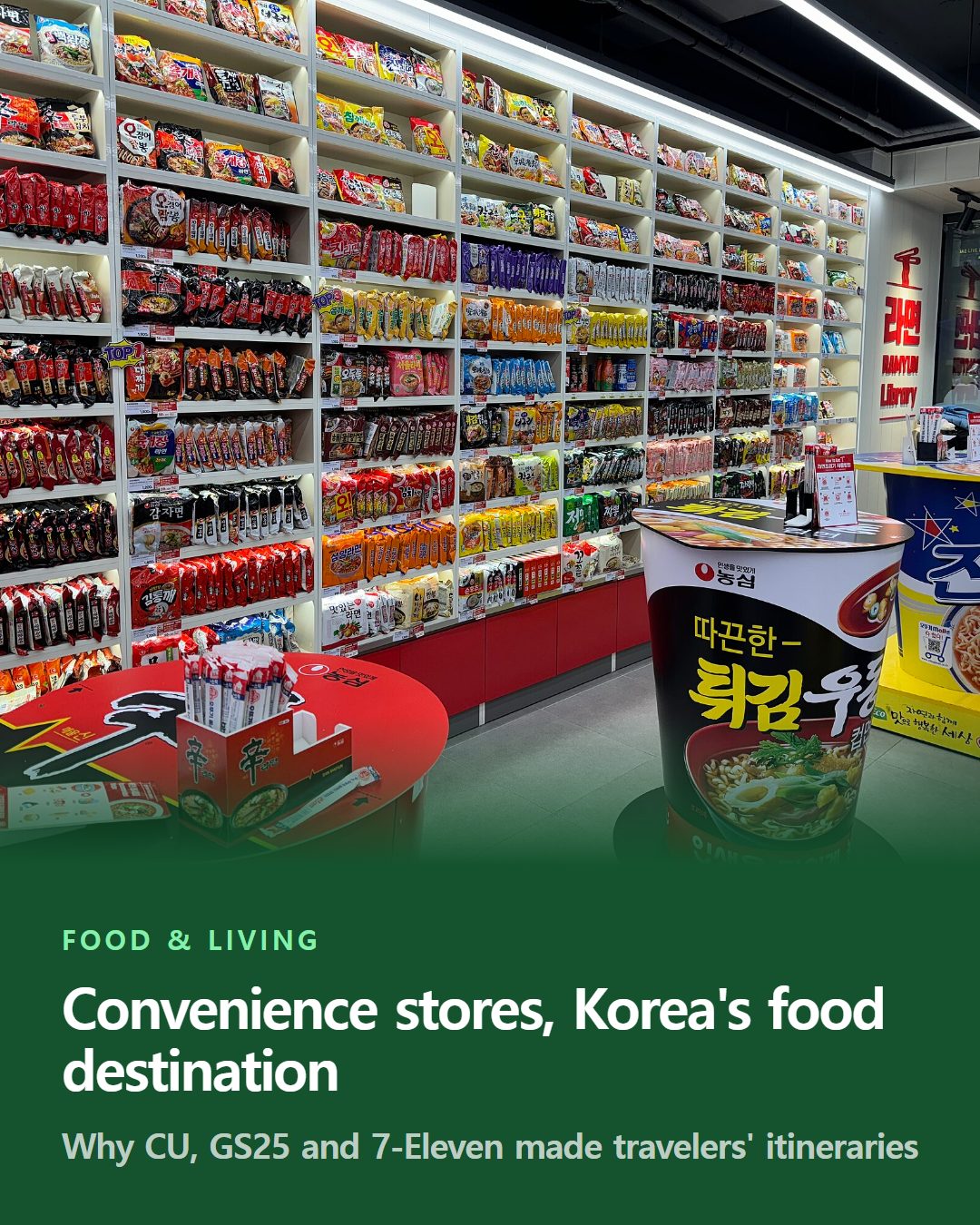
Why international visitors now plan trips around CU, GS25 and 7-Eleven, and what the triangle kimbap and hot-water dispenser actually mean in Korean daily life.
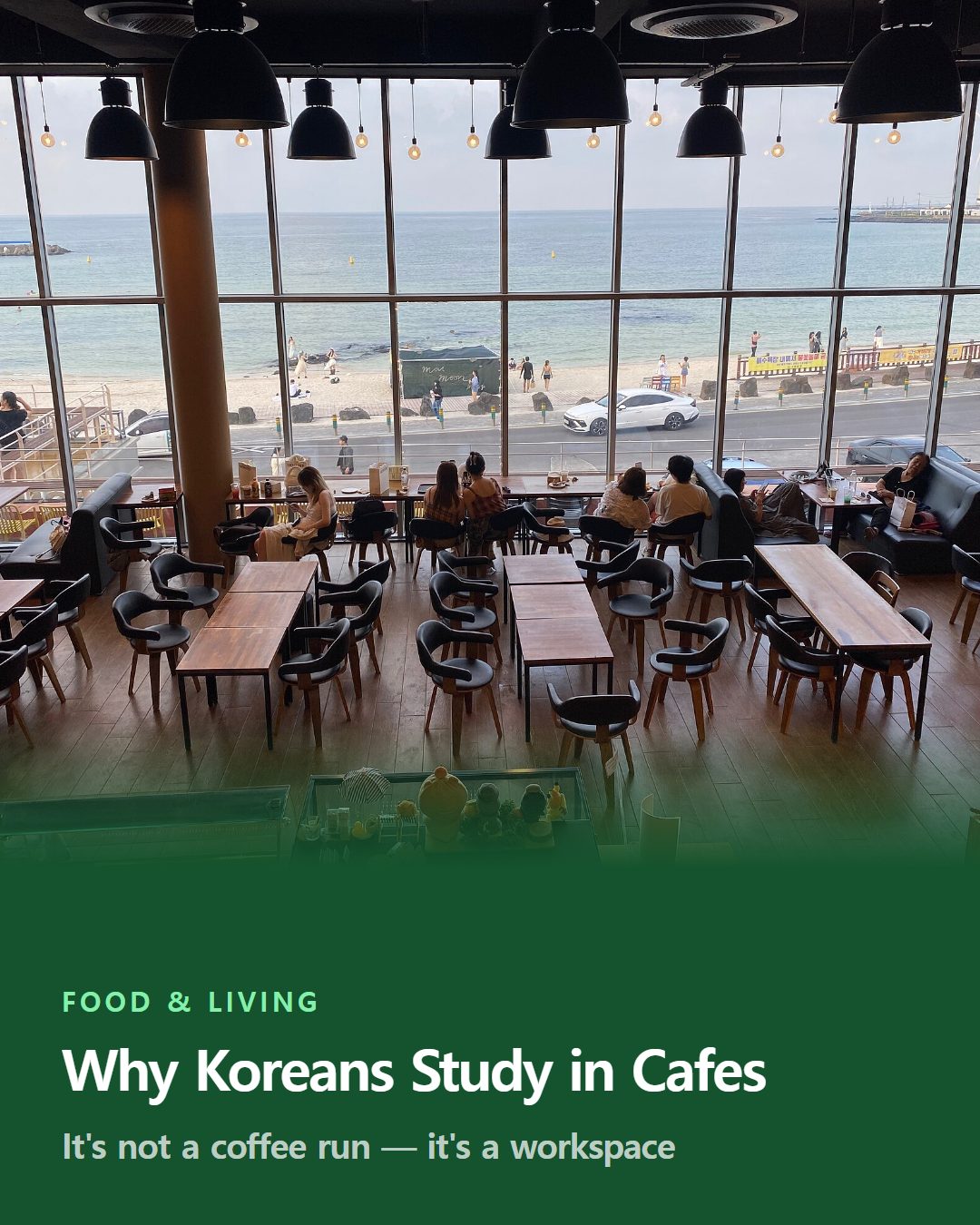
Korea has more cafes per person than almost anywhere on earth, and understanding why explains a recurring backdrop in K-dramas and a very Korean way of using public space.
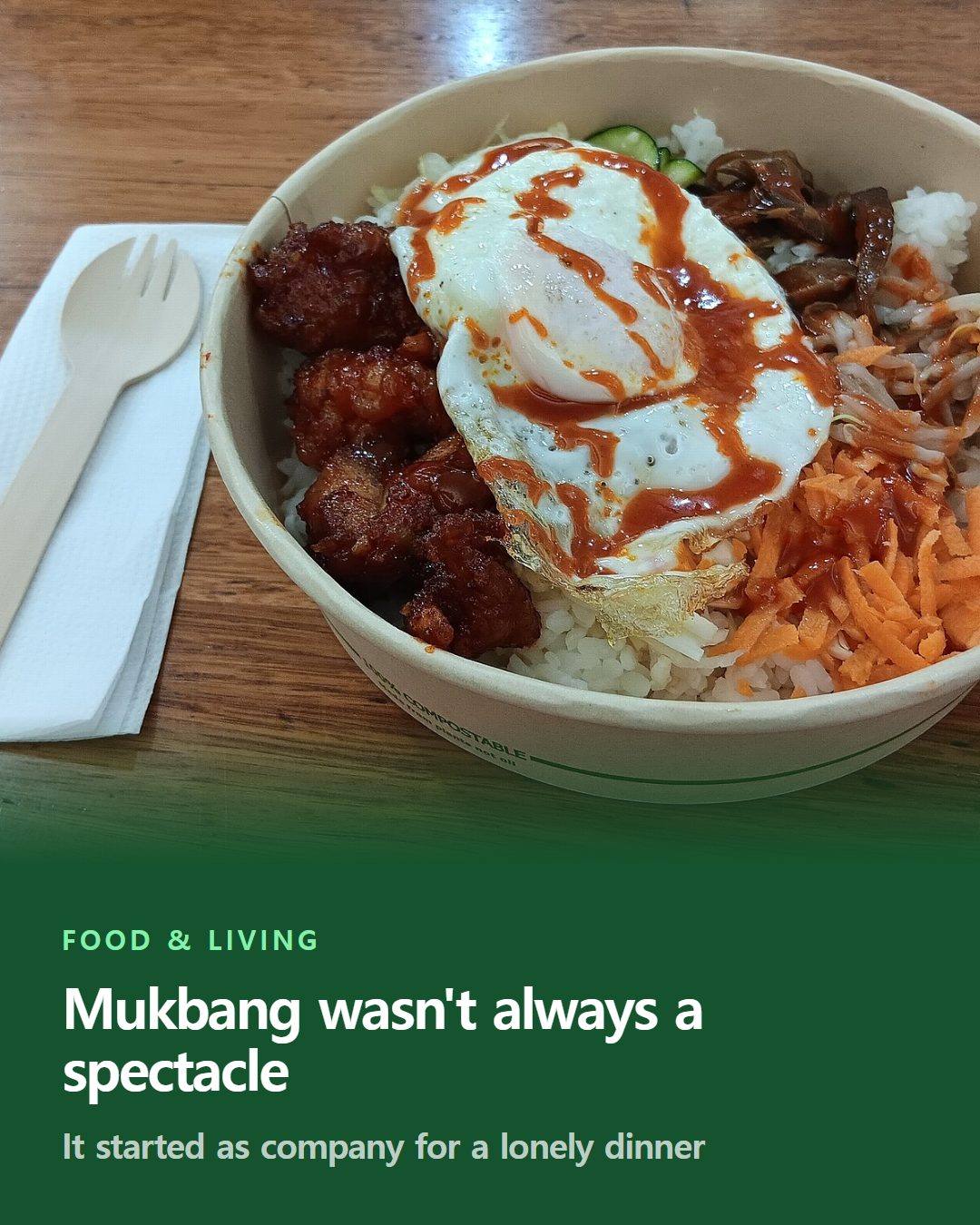
Before mukbang meant competitive-eating spectacle on YouTube, it was a low-key Korean livestream format built to solve a specific problem: eating alone.

In Korea, matching outfits work less as a fashion statement and more as public proof of a relationship, filling a gap left by restrained public displays of affection.
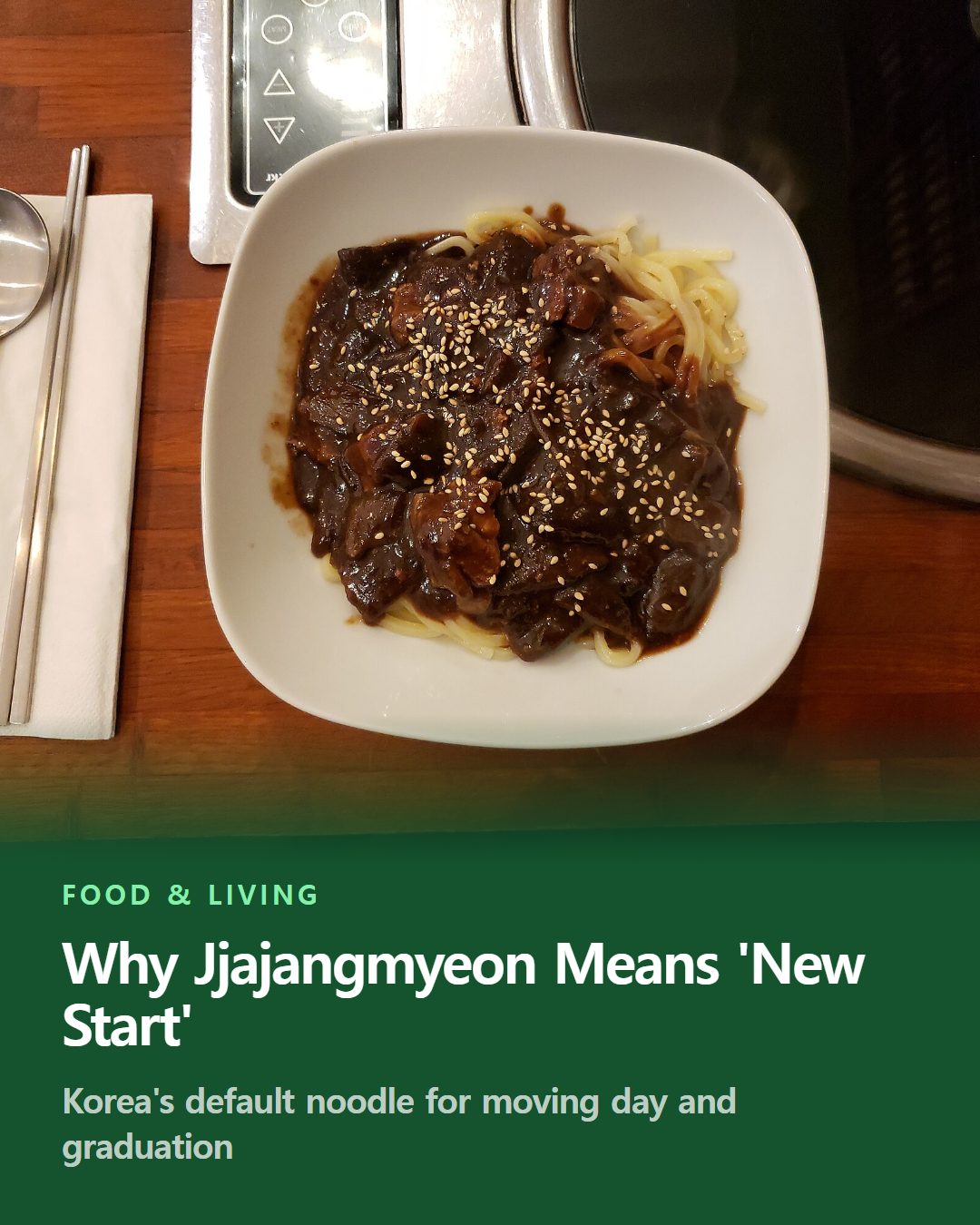
Jjajangmyeon's status as Korea's default moving-day and graduation meal traces back to Chinese immigrant history, decades of restrictions on Hwagyo-owned businesses, and Korea's earliest delivery infrastructure.
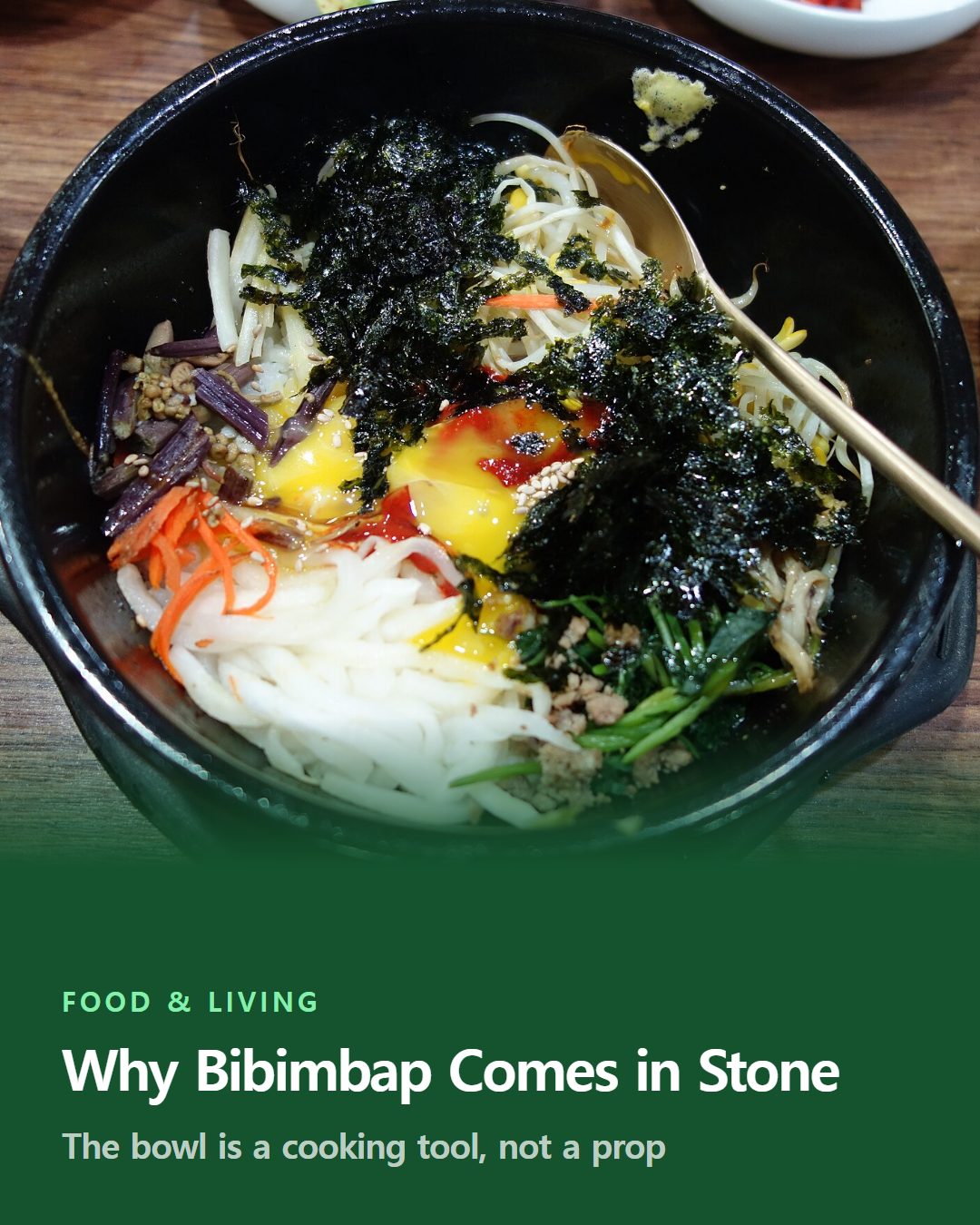
A hot stone bowl isn't a serving flourish for bibimbap — it's a cooking device that keeps the dish hot to the last bite and turns the bottom layer of rice into a prized crispy crust.
What Korea is talking about today — with the context that does not make it into the English headlines.