
'Take a Hike!': Na Young-seok's New Netflix Korea Show
A guide to why Na Young-seok built a Netflix hit around four celebrities who never wanted to hike Korea's winter mountains in the first place.
16 stories
A guide to why Na Young-seok built a Netflix hit around four celebrities who never wanted to hike Korea's winter mountains in the first place.
Korean dating-survival shows dominate TV schedules because ordinary contestants cost far less than celebrities and let viewers project their own dating lives onto the screen.

Korea's 'Ideology Verification Zone: The Community' turns each contestant's politics, gender views, and class into a hidden score that can get them voted out — a format with no real Western name.
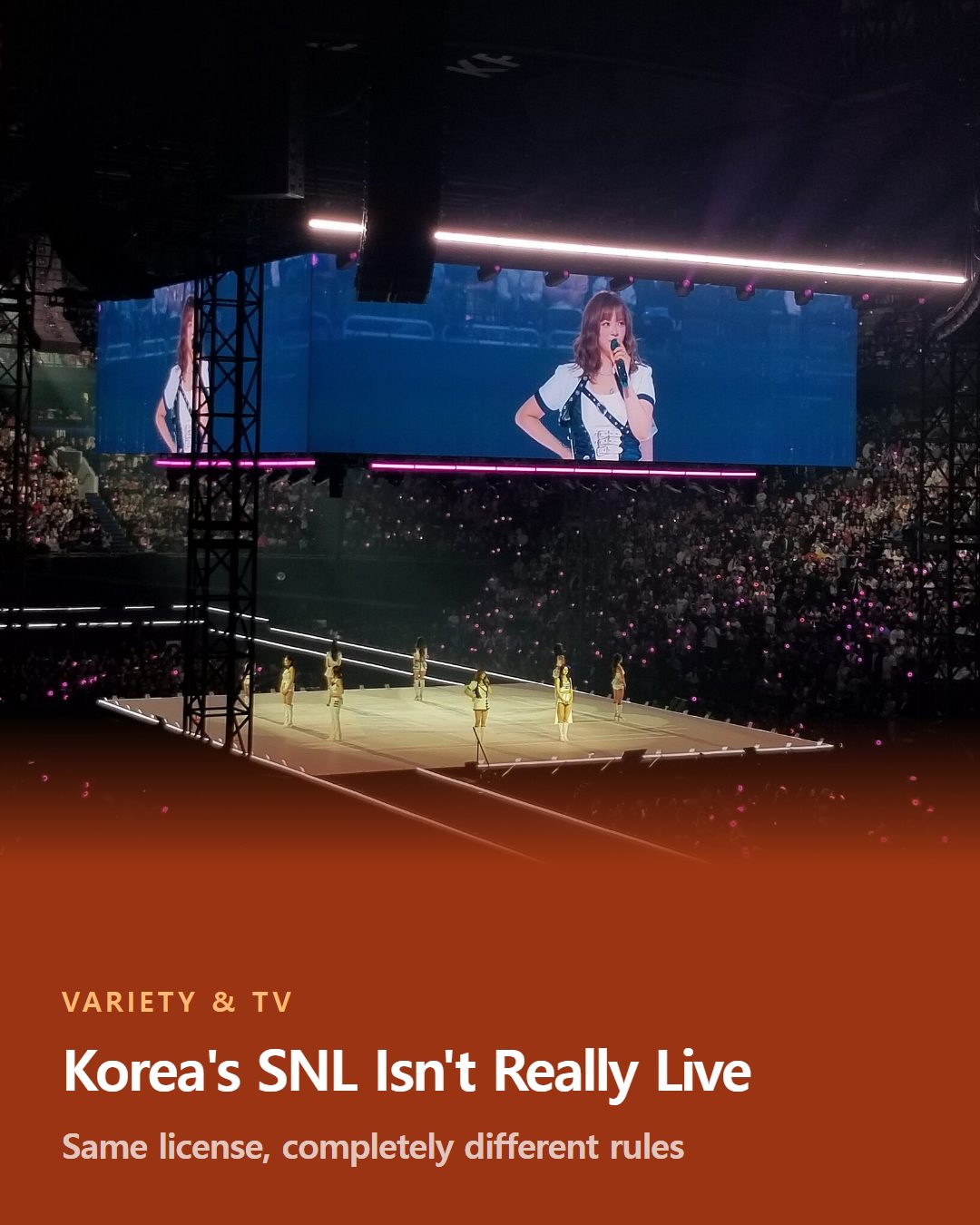
SNL Korea licenses the same NBC format as the American original, but Korean broadcast law, libel rules, and idol culture have rebuilt almost everything downstream of that license.

Hangout with Yoo replaced Infinite Challenge's fixed ensemble with self-contained 'projects' that begin and end on their own, which is why the show survived a full cast turnover and a change of producers without ever pausing.

How a 2008 SBS show about sleeping in strangers' houses became one of the three programs that turned 'reality variety' into a genre Korean television still runs on.

Korean producers openly recycle a small pool of proven performers across variety shows because unscripted formats reward camera-ready reactions over untested new faces.

Korean variety shows built punishment games, not cash prizes, into the core of the genre — and broadcast law, TV economics, and a specific cultural line around 'face' all help explain why.

A little-known change in Korean broadcasting law and a product-placement economy explain why shows like Running Man run past 90 minutes while American reality TV wraps in under 45.

Korean variety shows bury the screen in captions and effects because in Korean broadcasting, editing is treated as authorship — the text is a second script written after filming ends, not decoration.
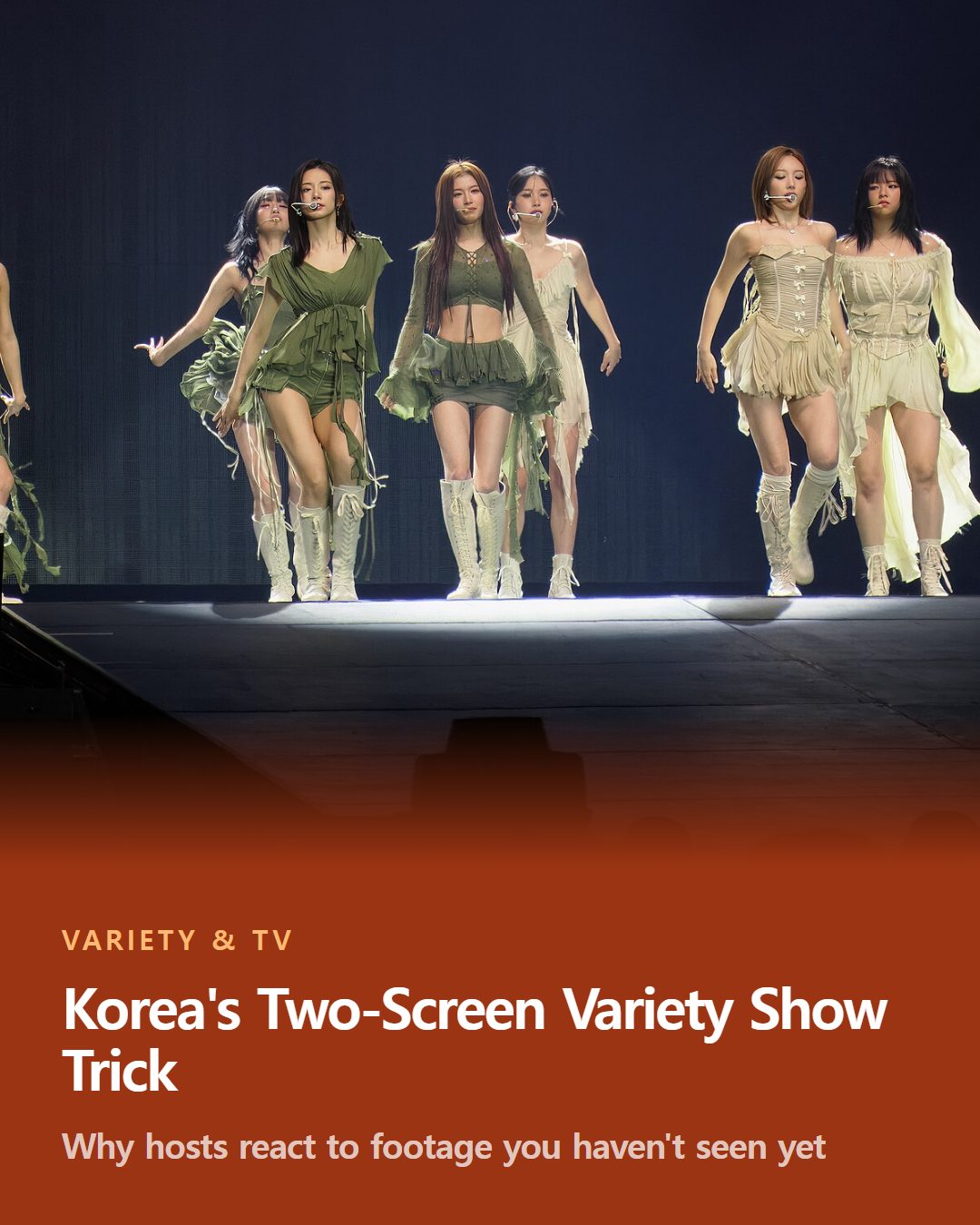
Korean variety shows are usually two productions stitched into one broadcast — footage filmed days earlier, then a studio panel recorded reacting to it — and understanding that split explains a habit that confuses many first-time international viewers.
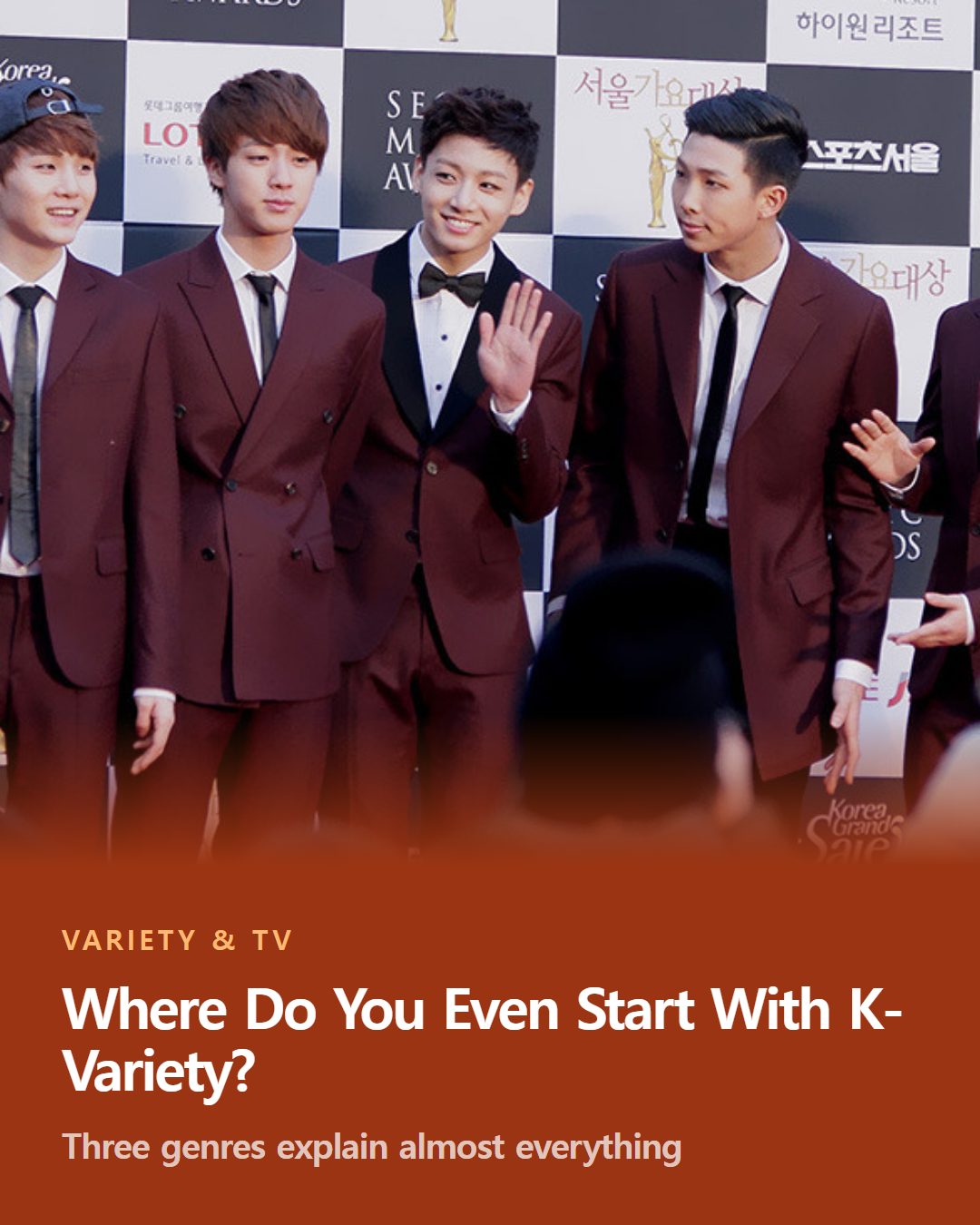
Korean variety television splits into three main genres — mission-based game shows, fly-on-the-wall observation shows, and elimination-style survival competitions — and knowing which is which is the fastest way to figure out where to start watching.
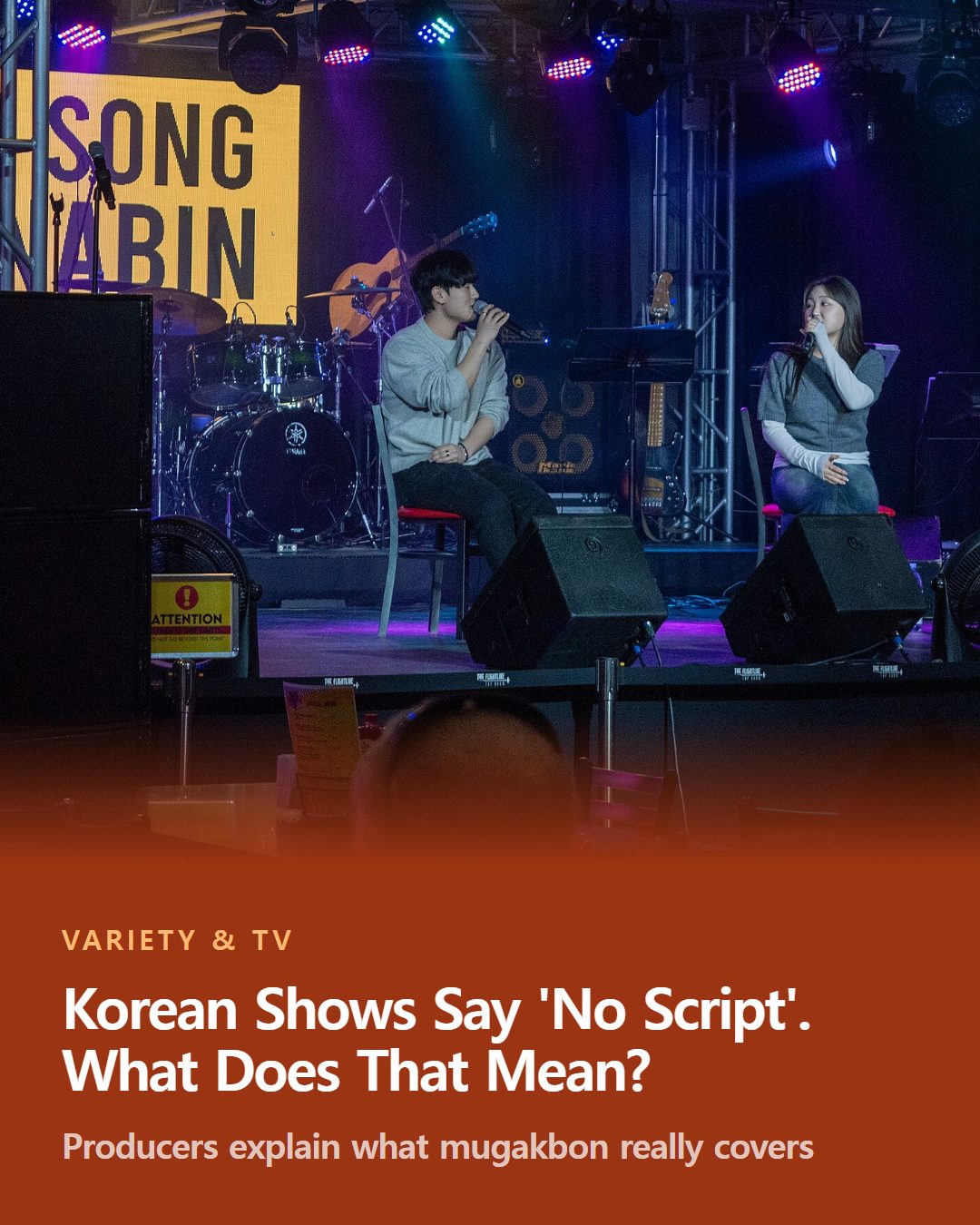
Korean producers openly admit their 'no-script' shows follow a designed outline of situations and rules — here is what mugakbon actually means, and why the distinction changes how you should watch.

In Korean survival audition shows, viewers don't just watch a competition — their votes literally assemble the K-pop group that debuts, which is why the format works so differently from a typical talent show.

A guide to 'observational variety' (관찰 예능), the hidden-camera-plus-studio-panel format that dominates Korean television and works on entirely different rules than Western reality TV.
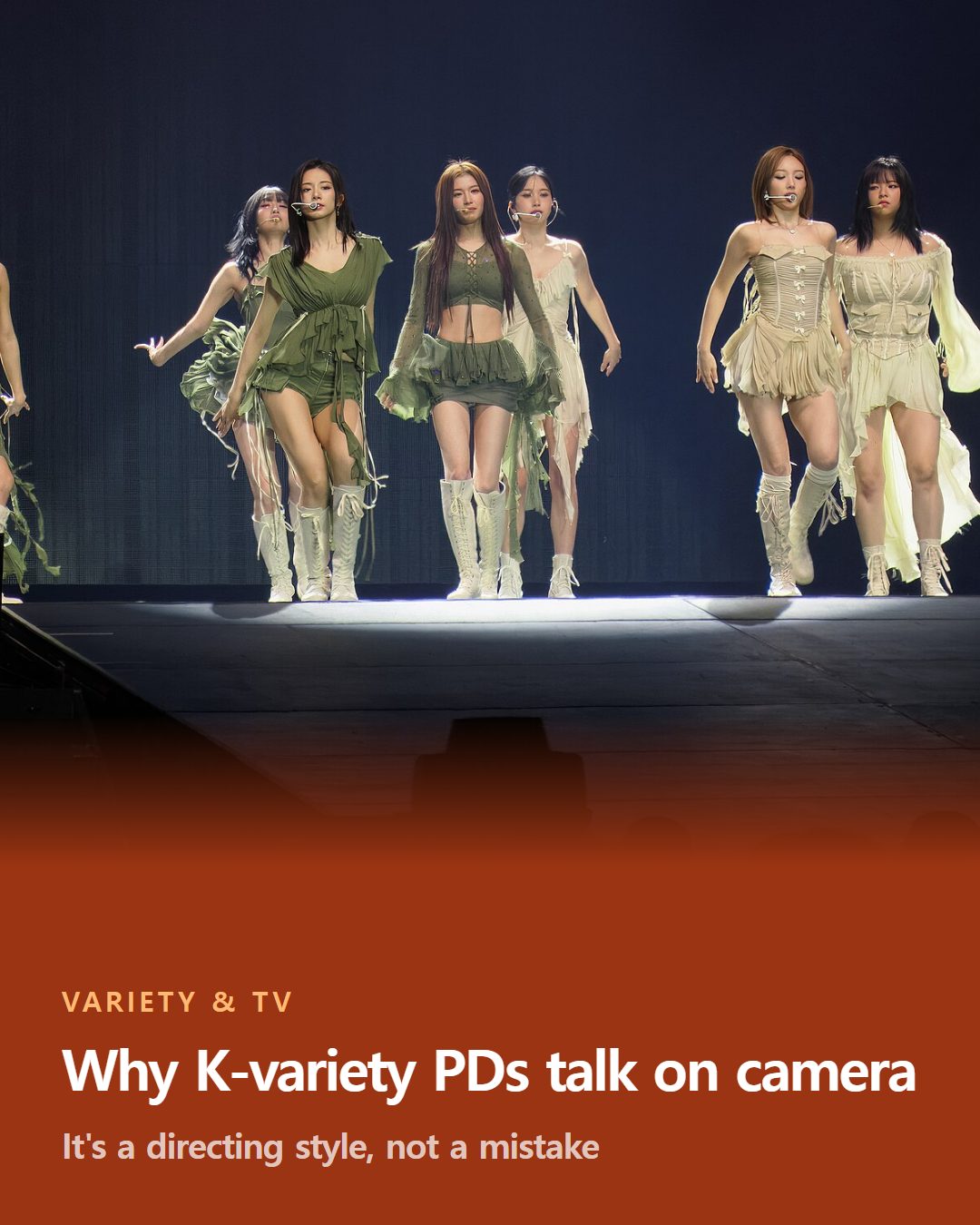
Korean variety shows routinely let the director argue, joke, and negotiate with the cast on camera — a house style rooted in specific shows and PDs, not an accident, and it explains why Korean entertainment feels different from Western reality TV.
What Korea is talking about today — with the context that does not make it into the English headlines.