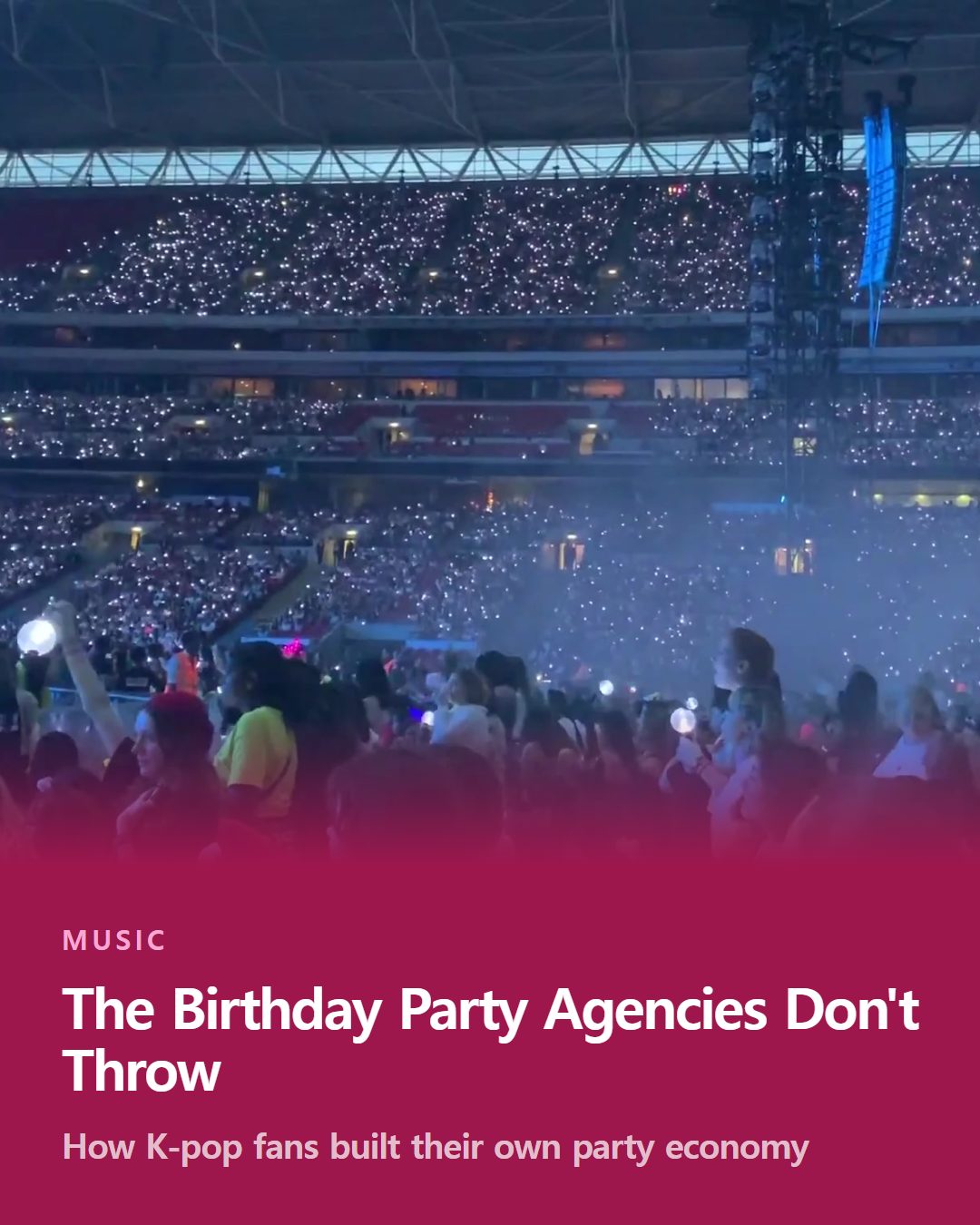
How K-pop Agency Contracts Actually Work
A guide to the two-contract system, the standard seven-year term, and the trainee-cost settlement structure that decide how much K-pop idols actually earn.
75 stories
A guide to the two-contract system, the standard seven-year term, and the trainee-cost settlement structure that decide how much K-pop idols actually earn.
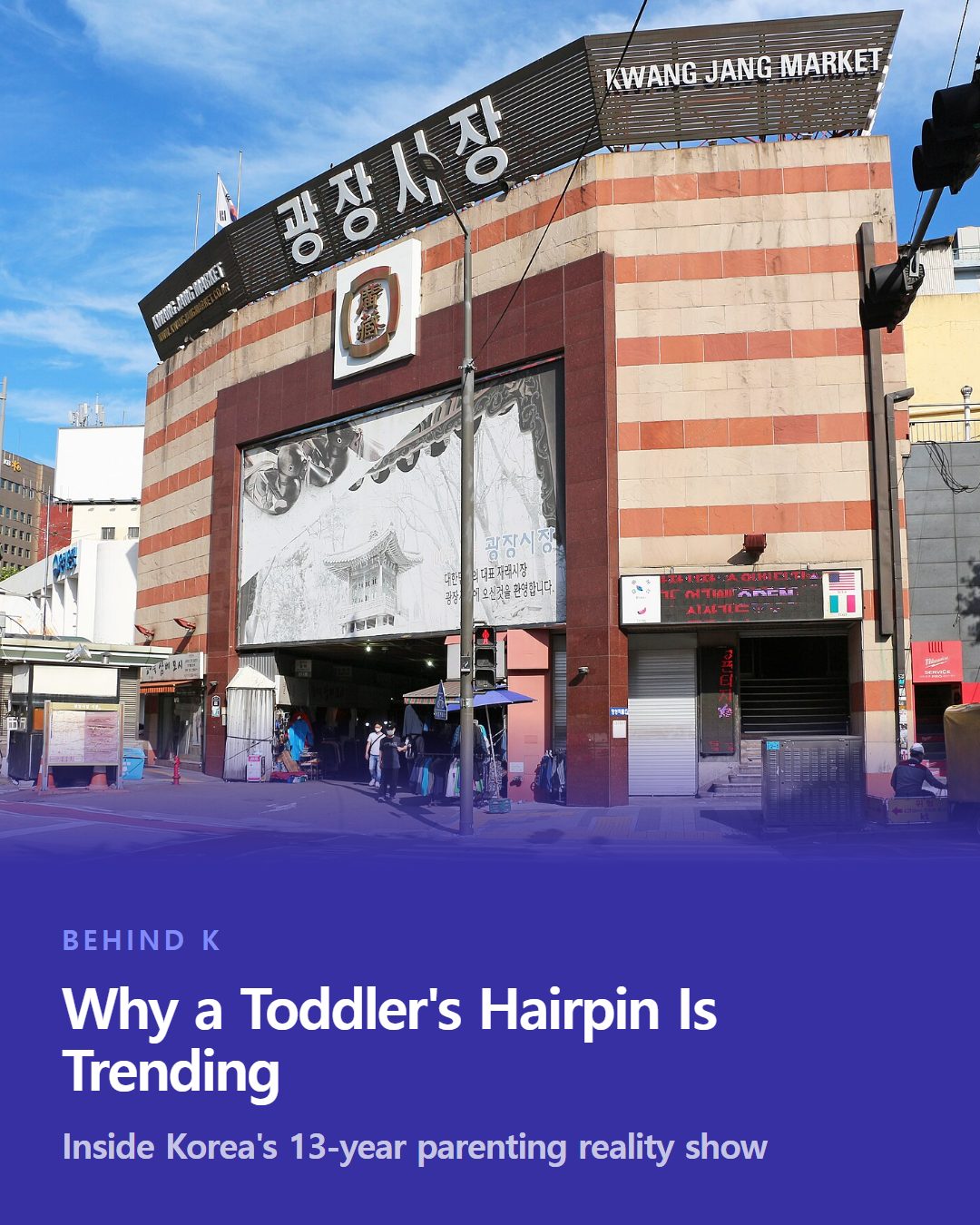
A toddler's hairpin and a crowded market stop explain why 'The Return of Superman,' Korea's 13-year-old parenting reality show, keeps turning ordinary children into national celebrities.
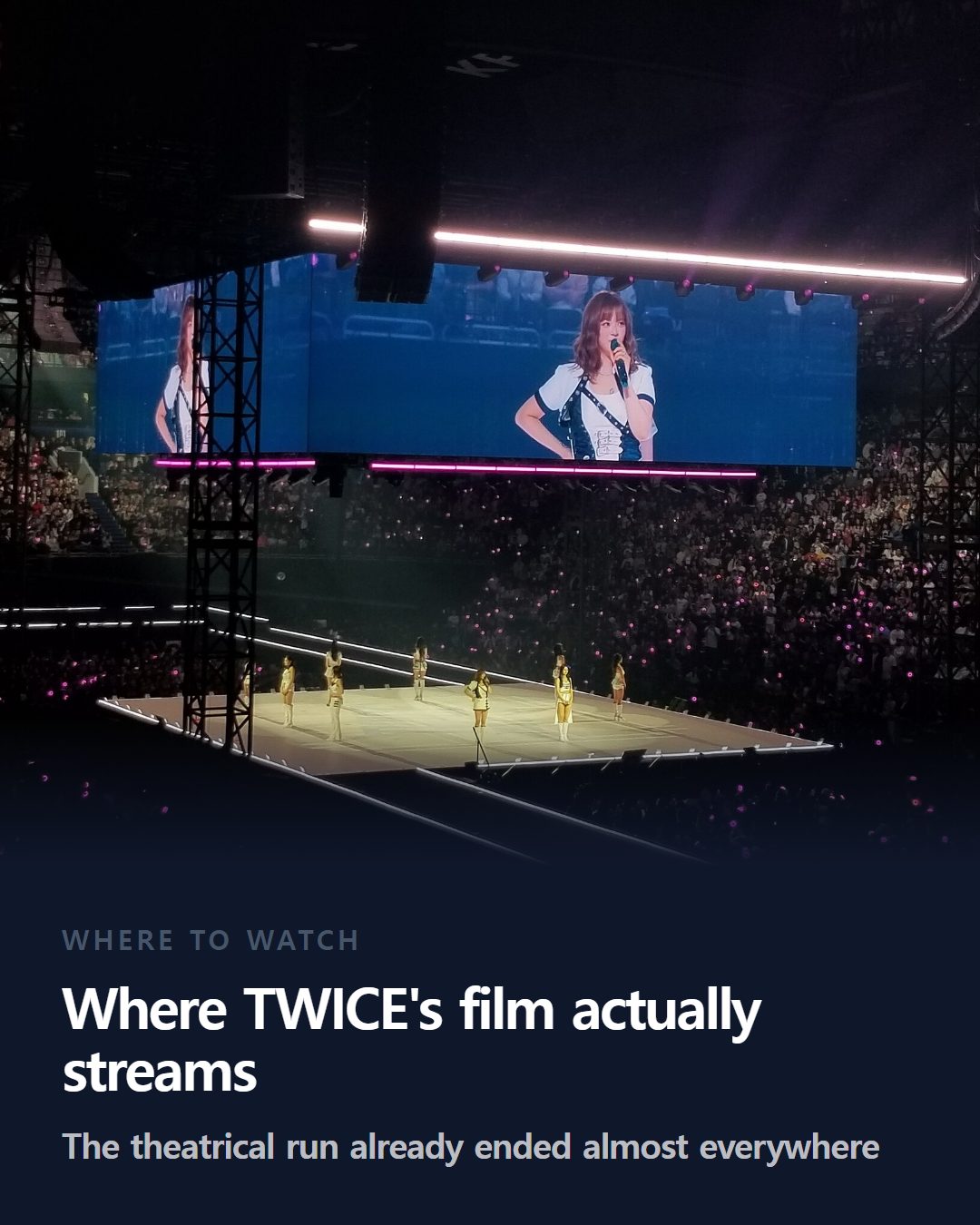
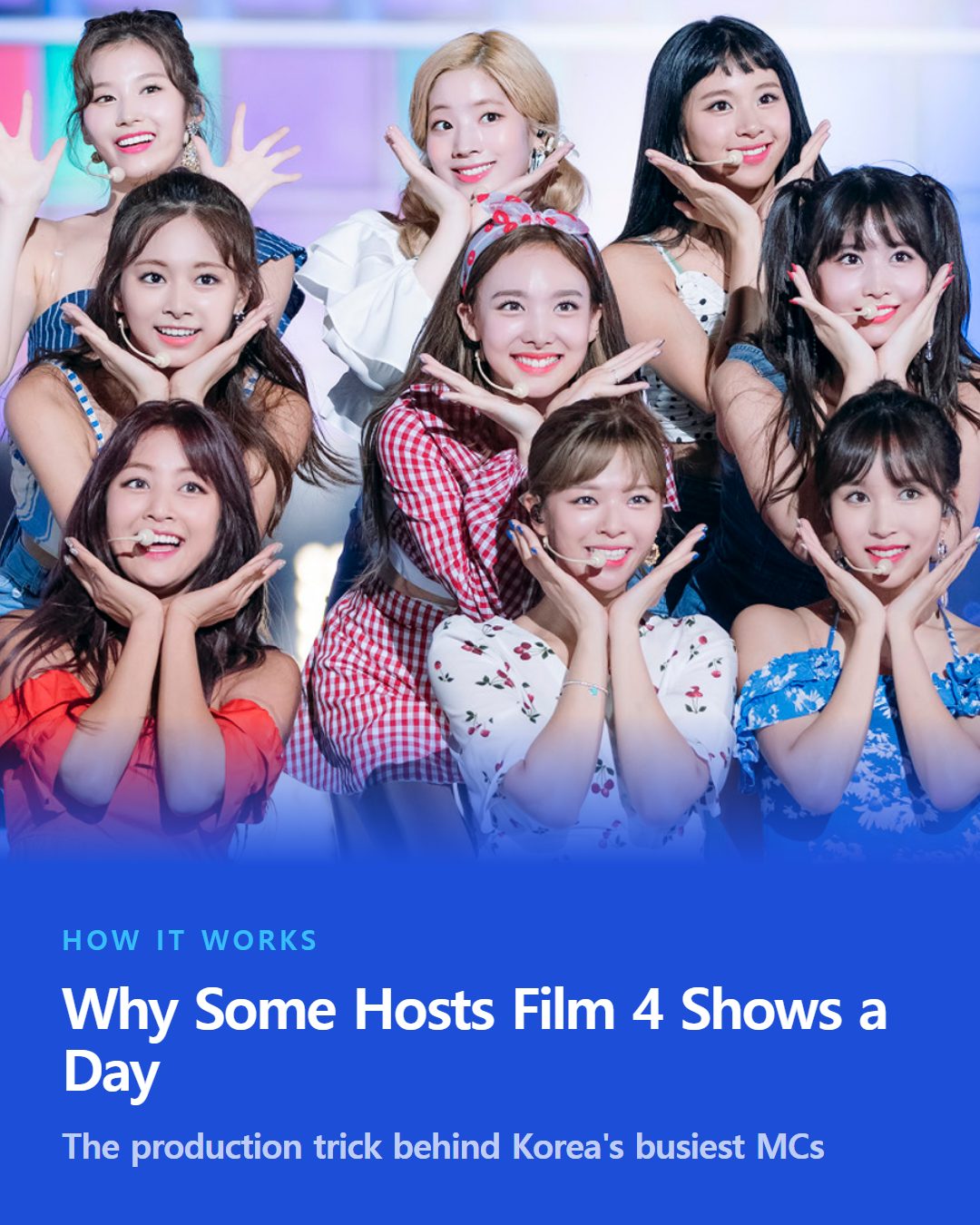
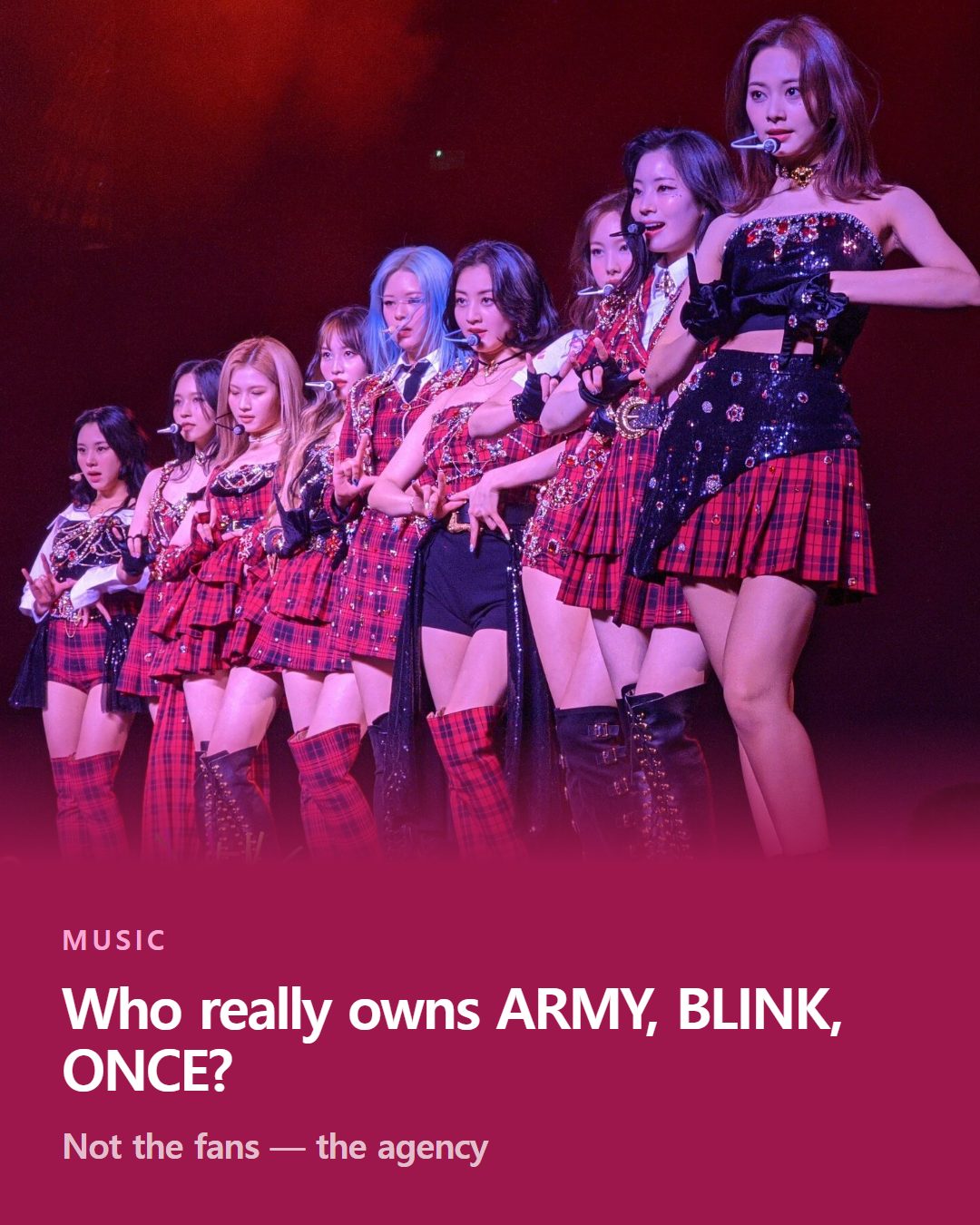
TWICE's Chaeyoung has left JYP Entertainment to go solo, but she is not leaving TWICE — here is the contract structure that makes that possible, and why it looks nothing like the NewJeans-ADOR dispute international readers may already know.
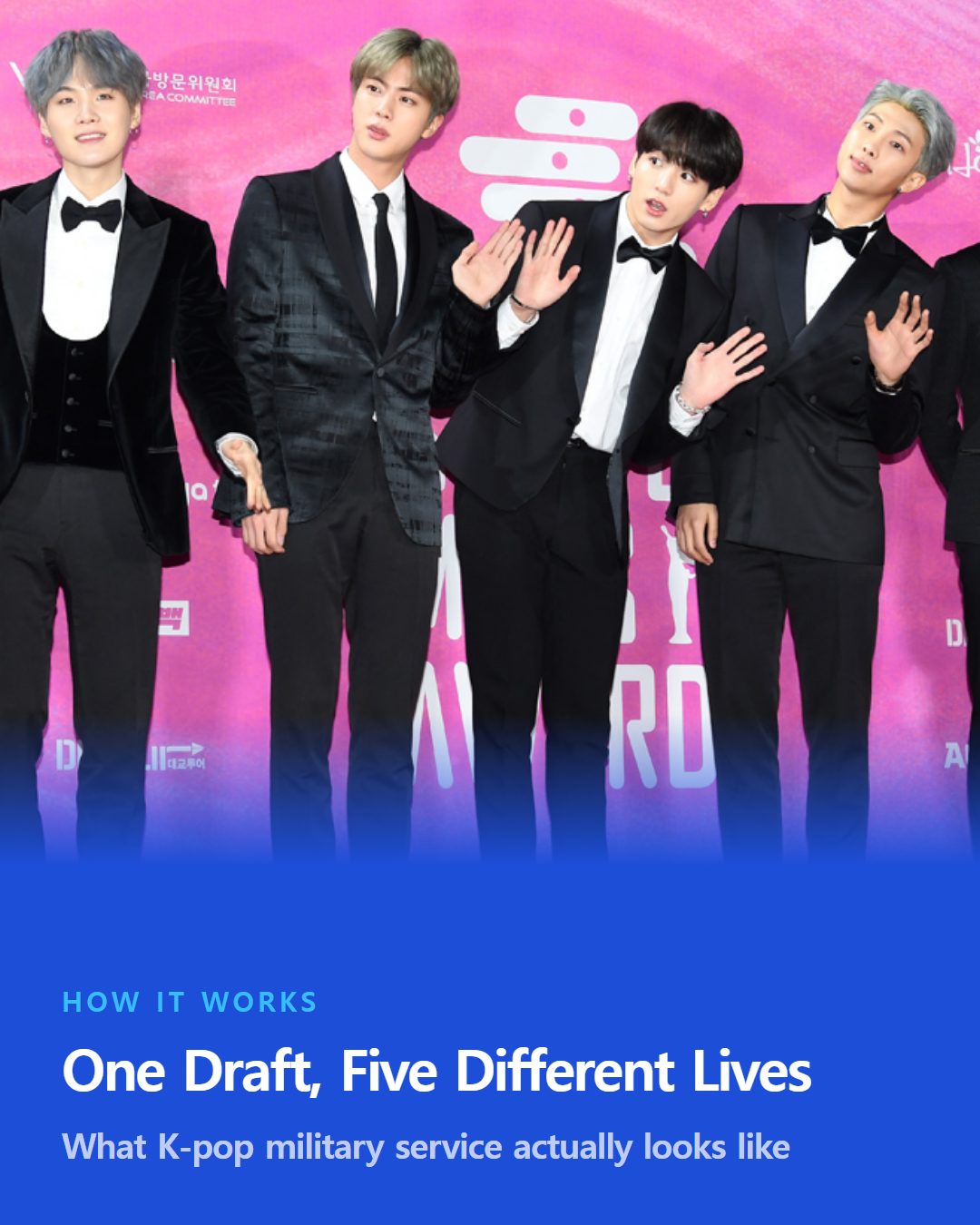
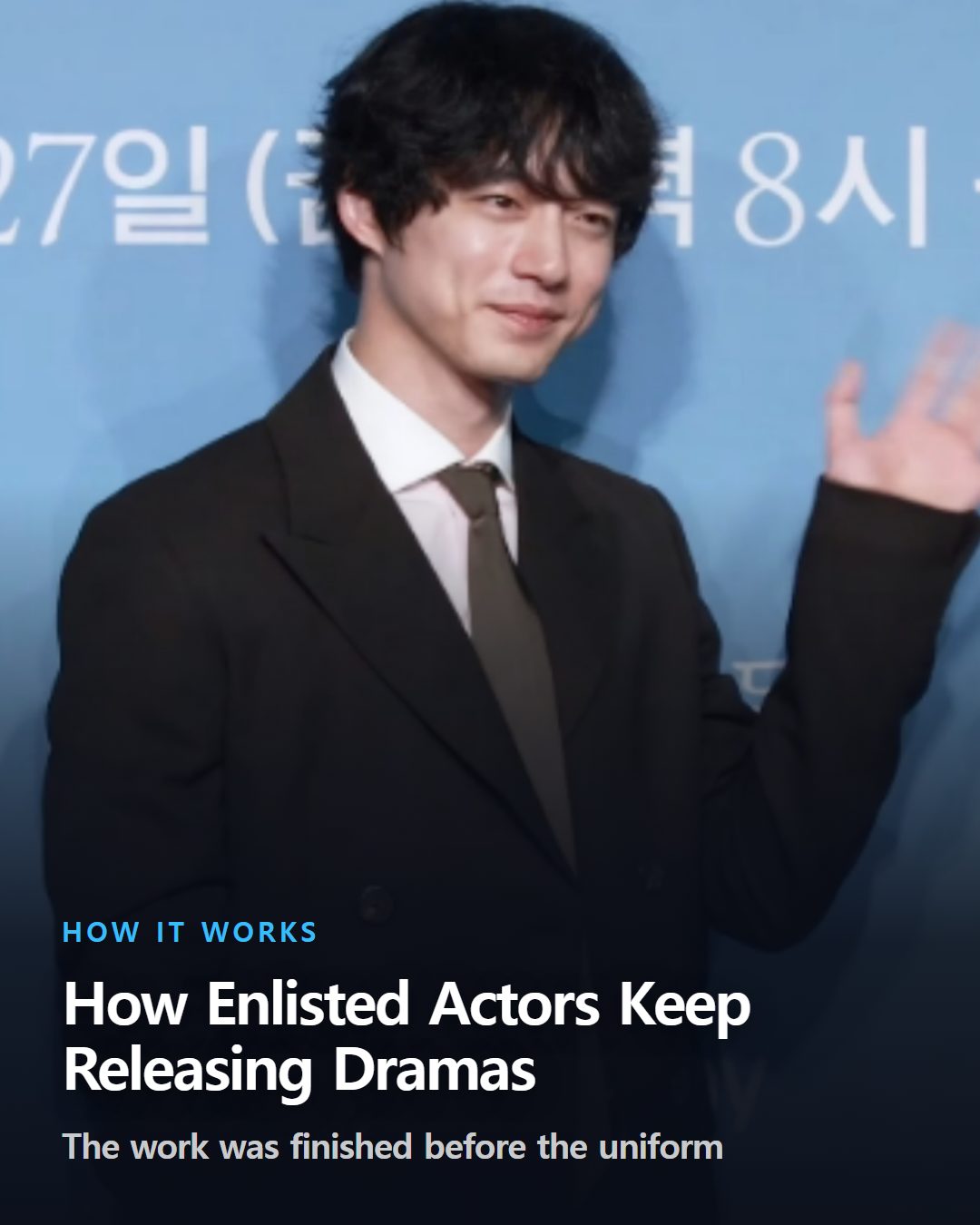
Every able-bodied Korean man in entertainment must serve 18 to 21 months in the military by age 28, and how an agency times that gap can define, or derail, a career.
South Korean law requires nearly all male citizens to serve 18 to 21 months in the military, so K-pop groups have built a standard playbook of sub-units, solo work and staggered enlistment to keep operating instead of disbanding.
A source-checked guide to which apps and channels legally stream Korea's six weekly music-ranking shows, and why watching live is part of how K-pop fandom actually works.
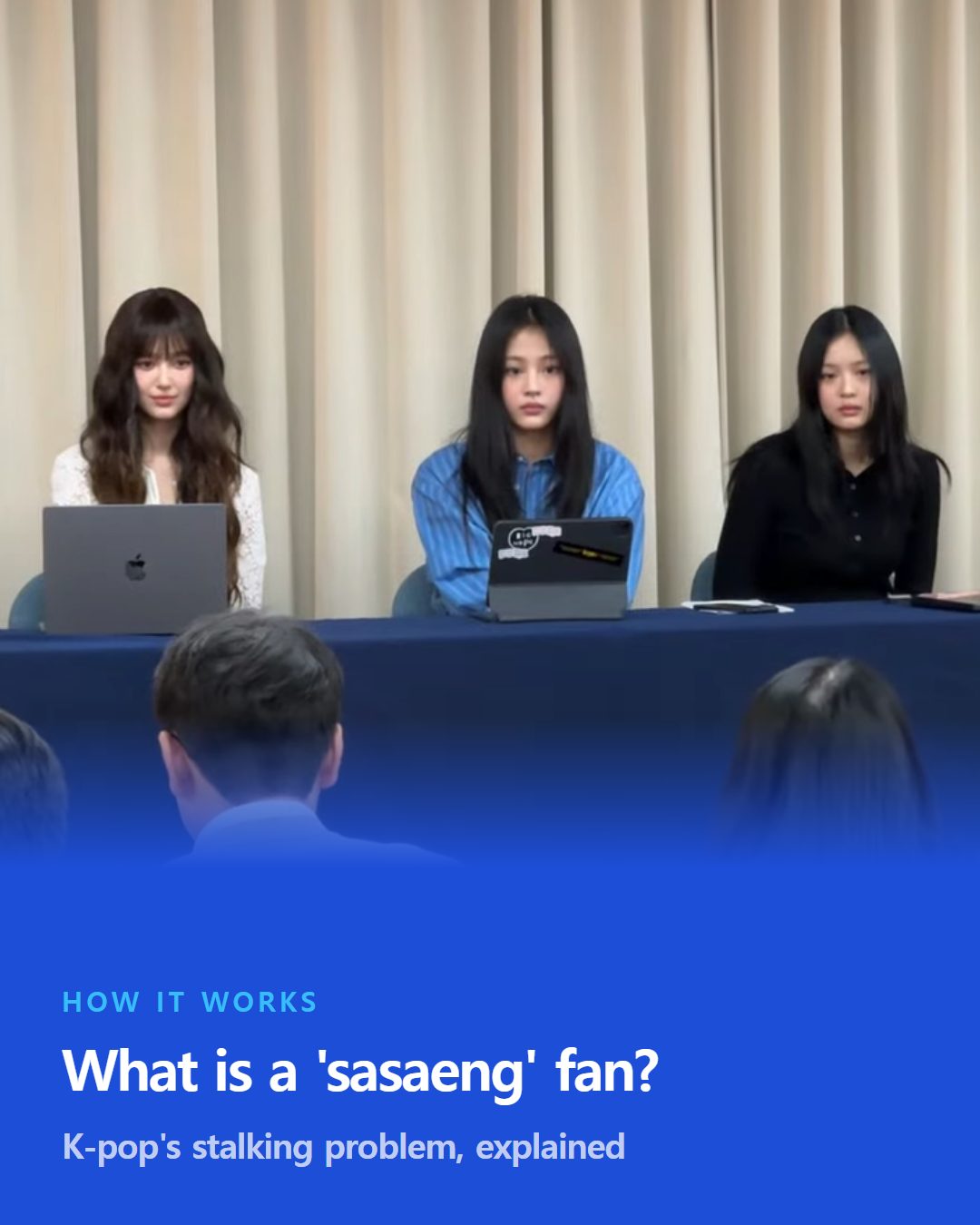
A guide to sasaeng fans — the obsessive stalkers of K-pop idols — and how South Korean law and agencies have escalated their response, from a 2021 anti-stalking act to GPS-tracker lawsuits in 2026.
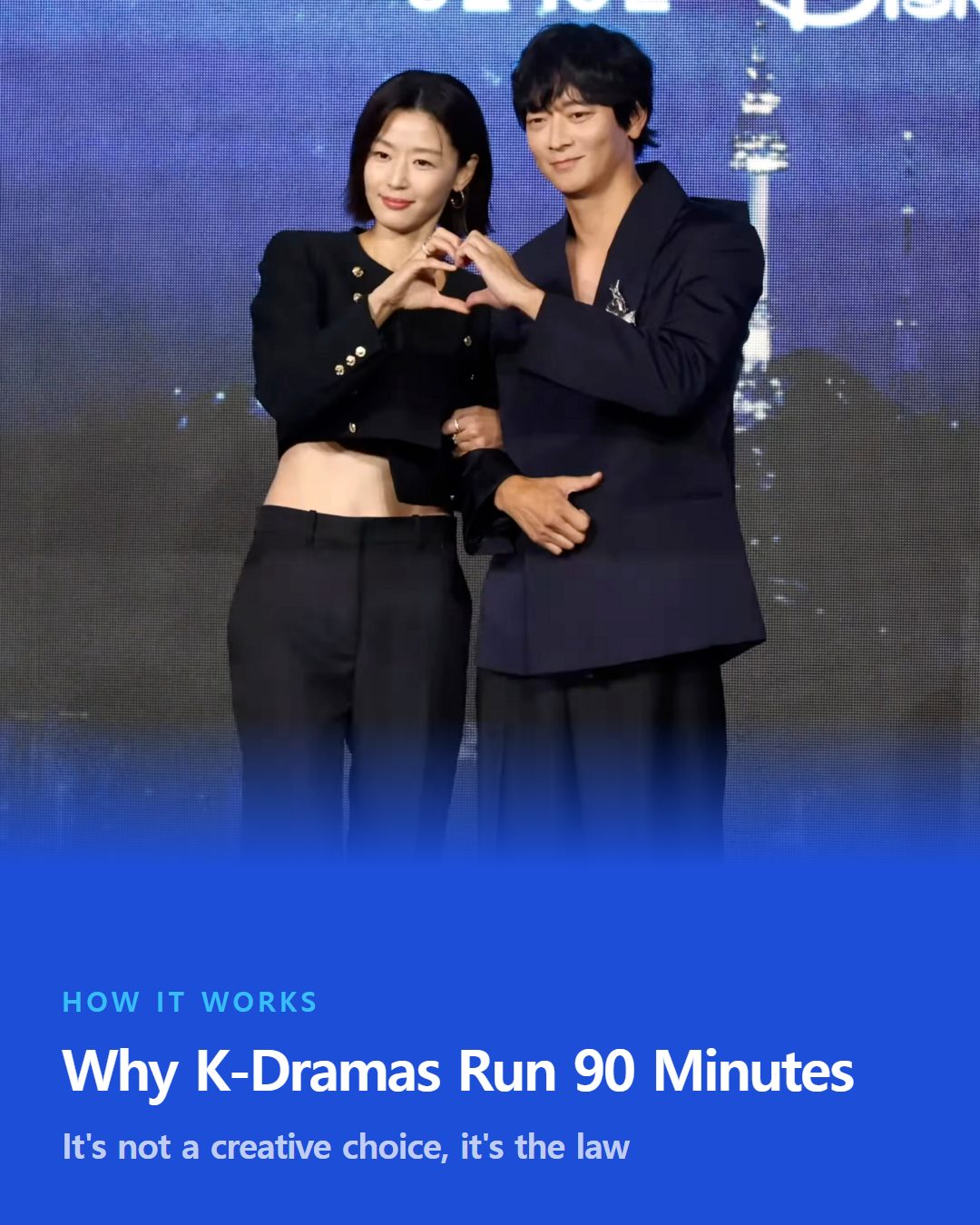
Korean TV ratings and Netflix's global charts measure completely different audiences, which is why a drama can flop by one metric and top the world by the other.
K-pop's oversized lineups aren't a cultural accident — they're a deliberate agency strategy built around specialized roles, subunit marketing, and global expansion.
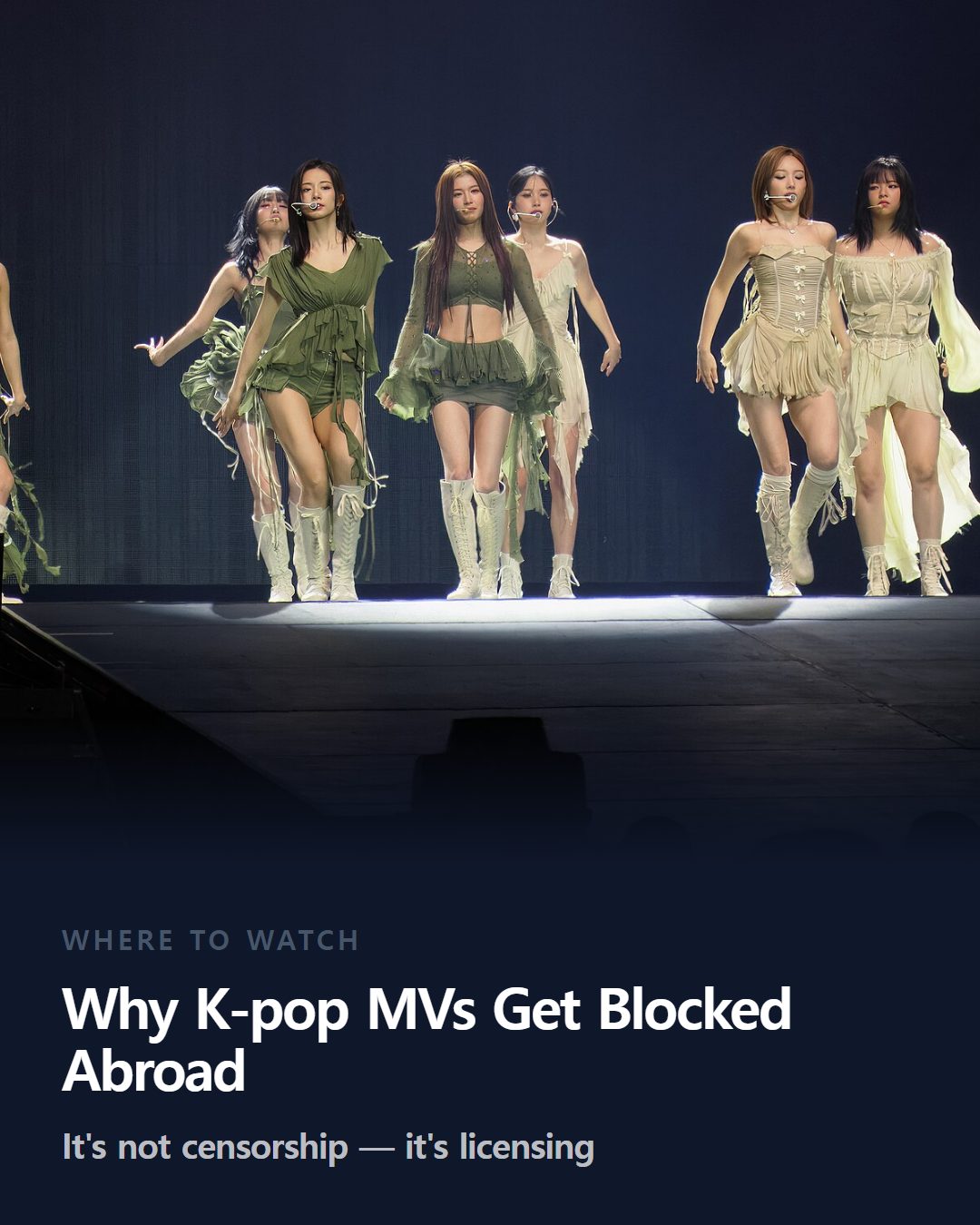
K-pop music videos disappear behind "not available in your country" messages not because of censorship, but because of how Korean agencies license music, country by country, through YouTube's Content ID system.
The Korean tradition of pairing fried chicken with beer has its own name, its own festival, and a documented moment when a single K-drama exported it to millions of people abroad.
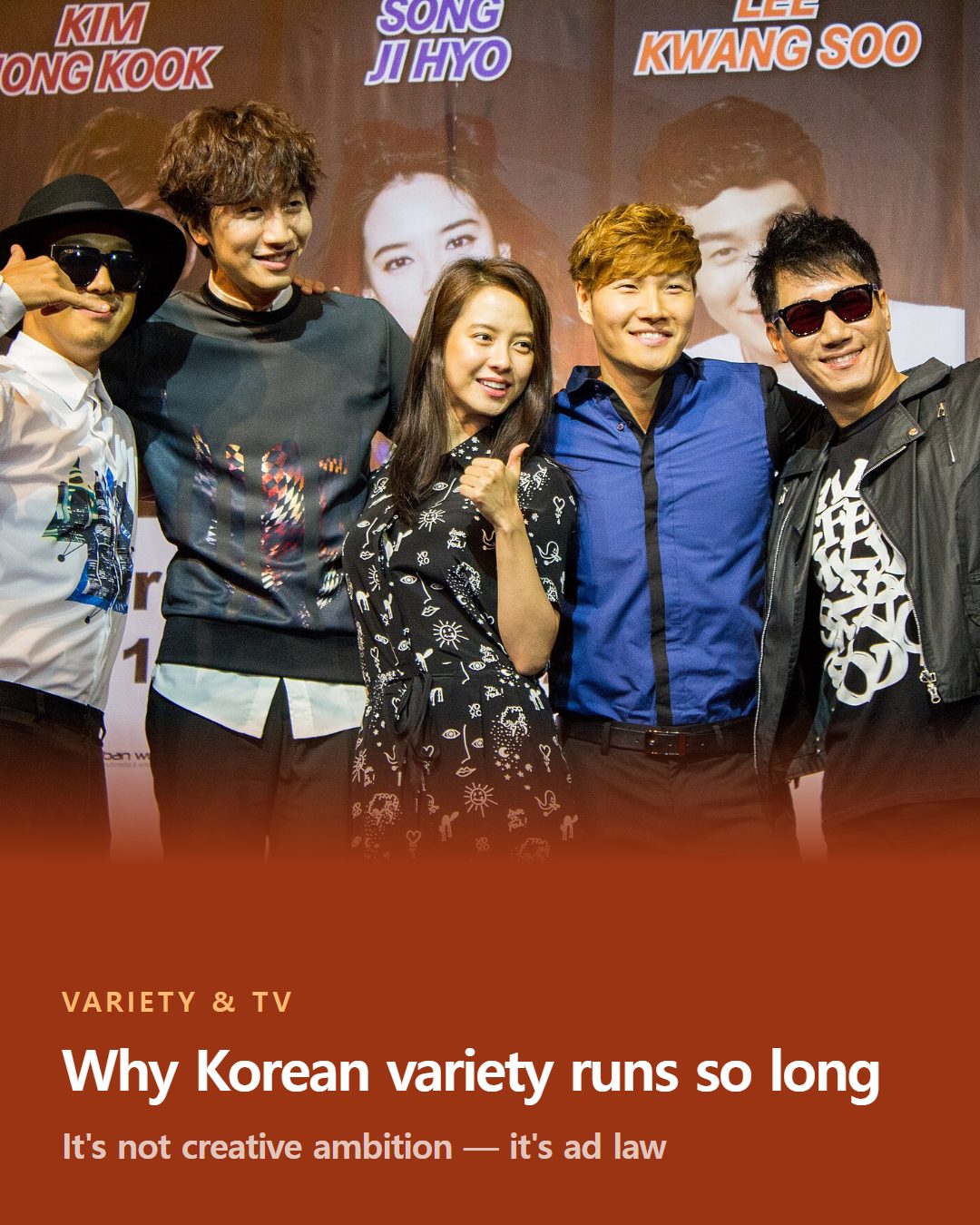
Korean producers openly recycle a small pool of proven performers across variety shows because unscripted formats reward camera-ready reactions over untested new faces.
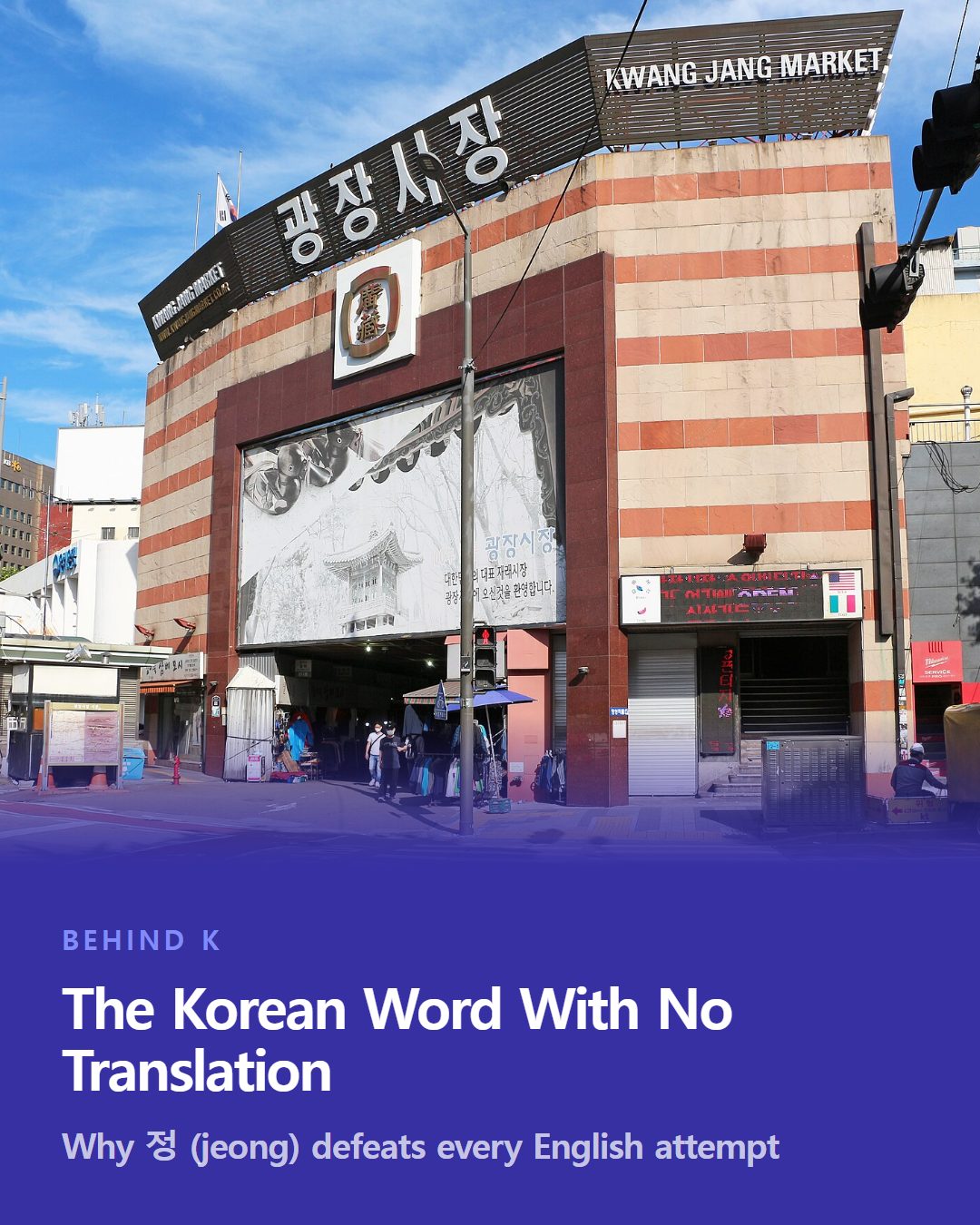
Why 정 (jeong) — the bond Koreans say cannot be translated — quietly explains how K-dramas resolve conflict and why strangers in Korea act like family.
A guide to the officially licensed apps for reading Korean webtoons in English, and why choosing them over pirate sites actually changes what gets made.
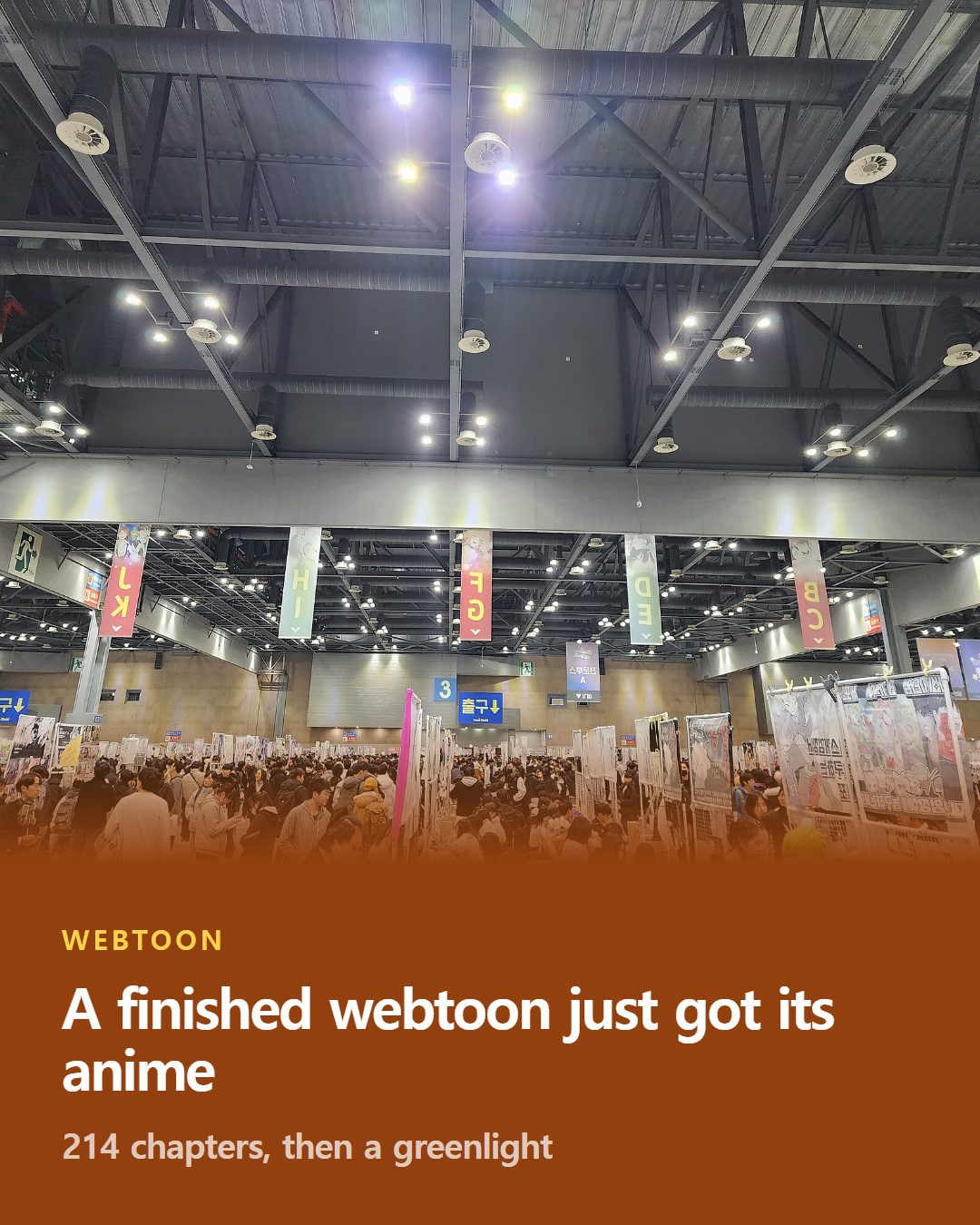
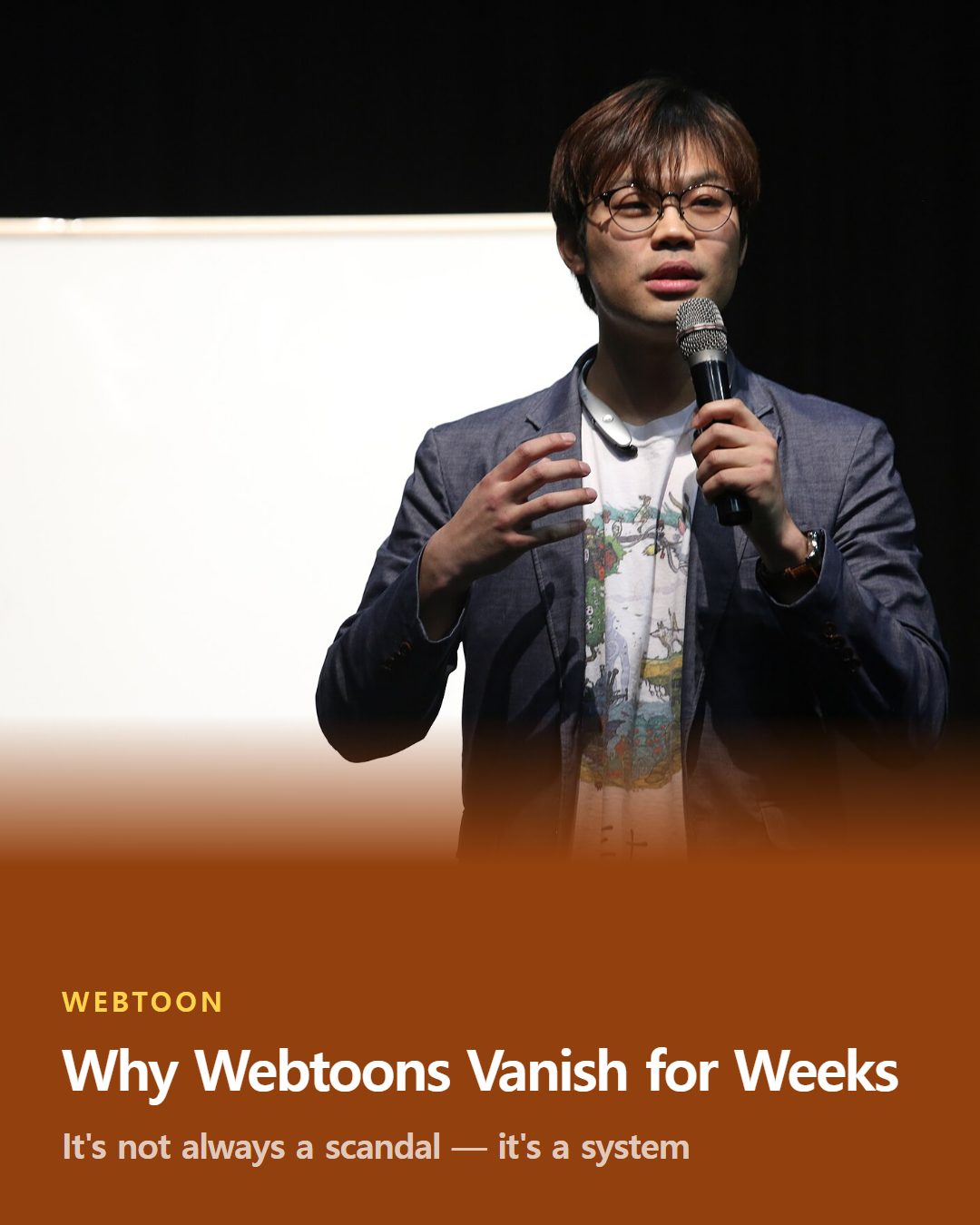
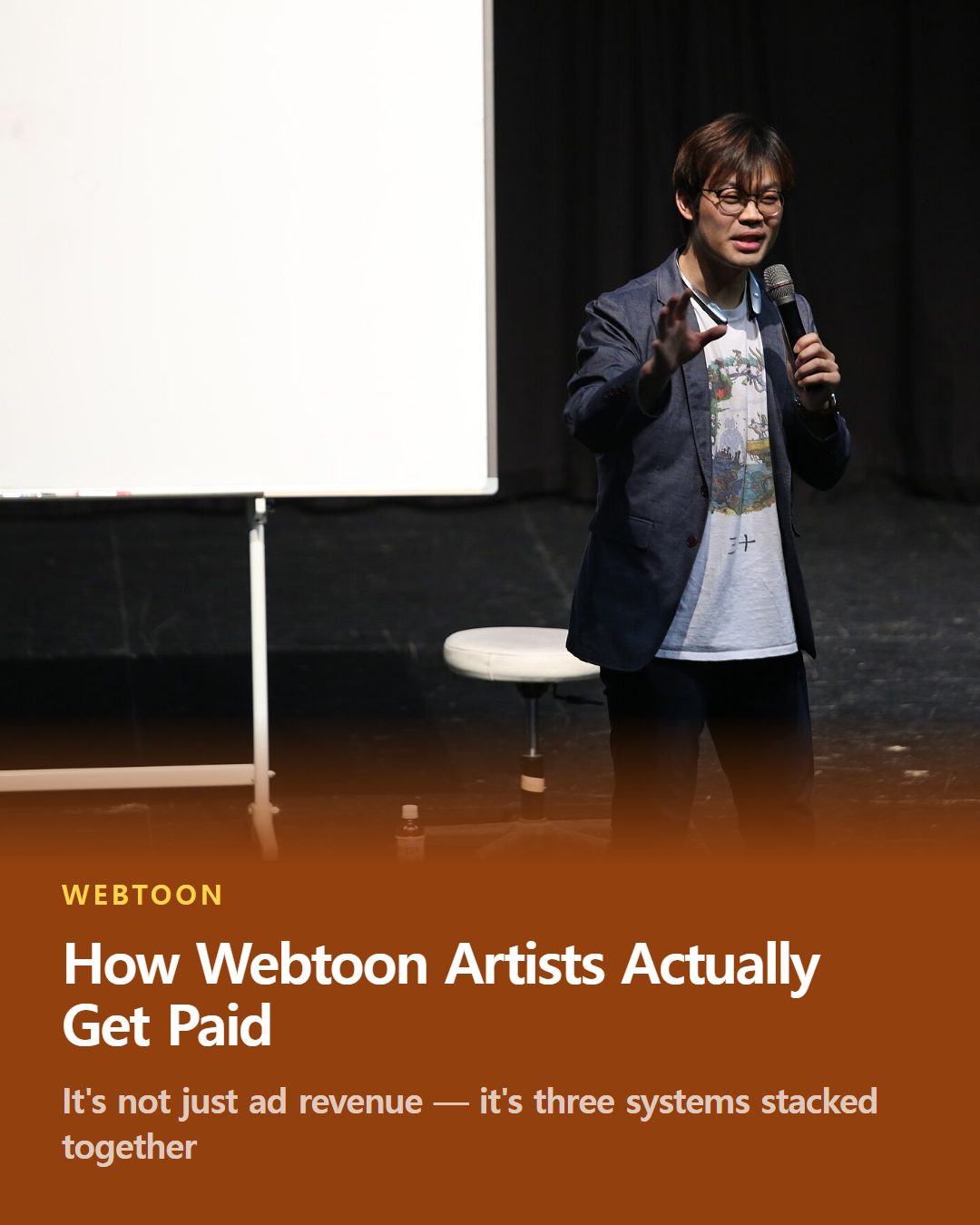
Korea's webtoon boom runs on flat per-episode fees, recoupable advances, and pay-to-skip-the-wait coins — a system that explains why hit series and struggling artists can exist on the same platform.
In Korea, an idol's group name and even their personal stage name are usually trademarks owned by the agency, not the performer — so leaving the company can mean losing the name too.
Trainees are not employees and not guaranteed a debut — most spend two to five years, sometimes over a decade, auditioning for their own future inside a legal gray zone.
In K-pop, a 'comeback' just means an active group is releasing new music — not returning from a break — and understanding that unlocks why the industry moves the way it does.
A 2009 antitrust rule that caps Korean entertainment contracts at seven years explains why so many K-pop groups face a make-or-break renewal moment on their seventh anniversary.
Korean variety shows bury the screen in captions and effects because in Korean broadcasting, editing is treated as authorship — the text is a second script written after filming ends, not decoration.
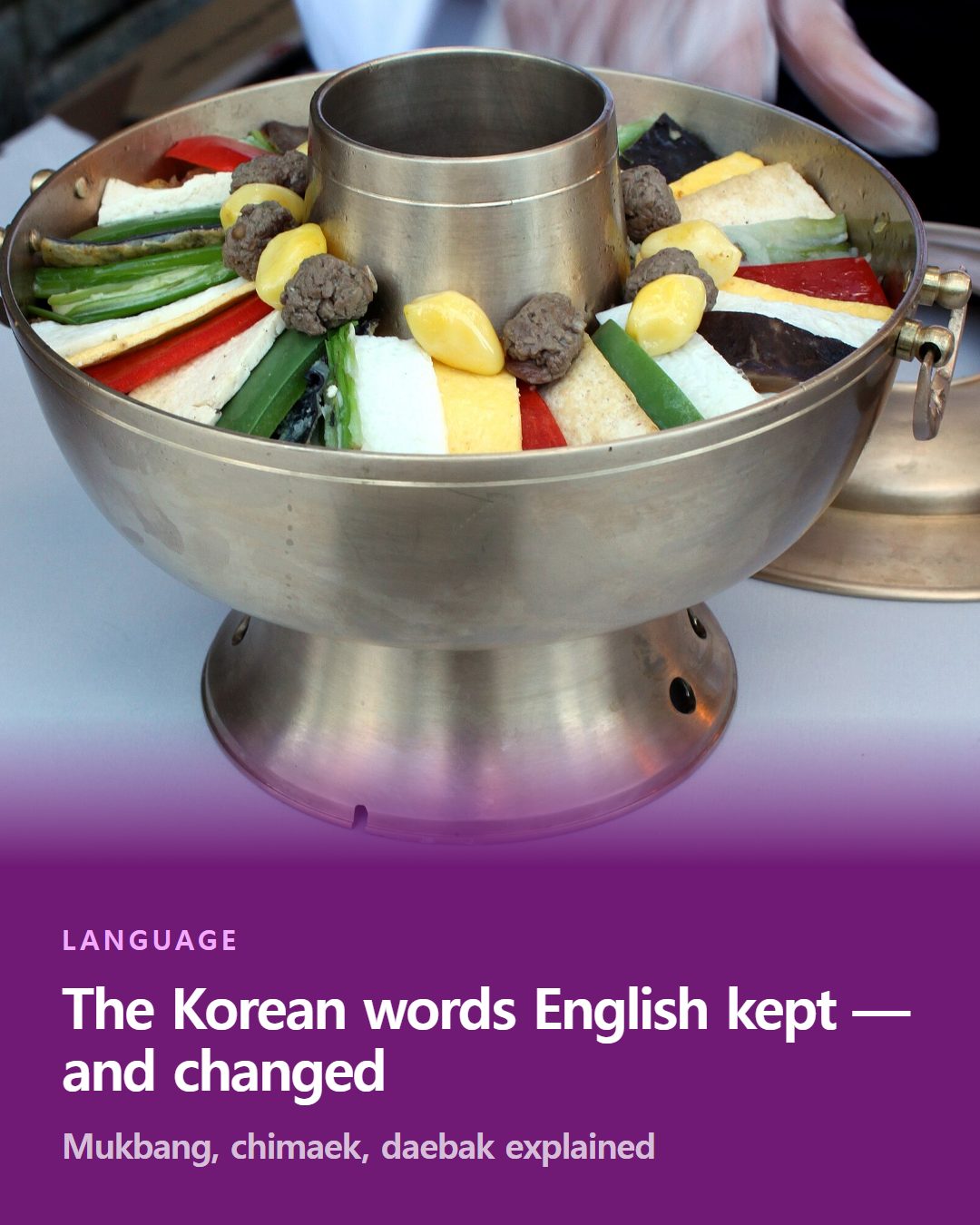
Mukbang, chimaek and daebak now sit in English dictionaries, but the meanings that crossed over are narrower — and sometimes newer — than the Korean originals.
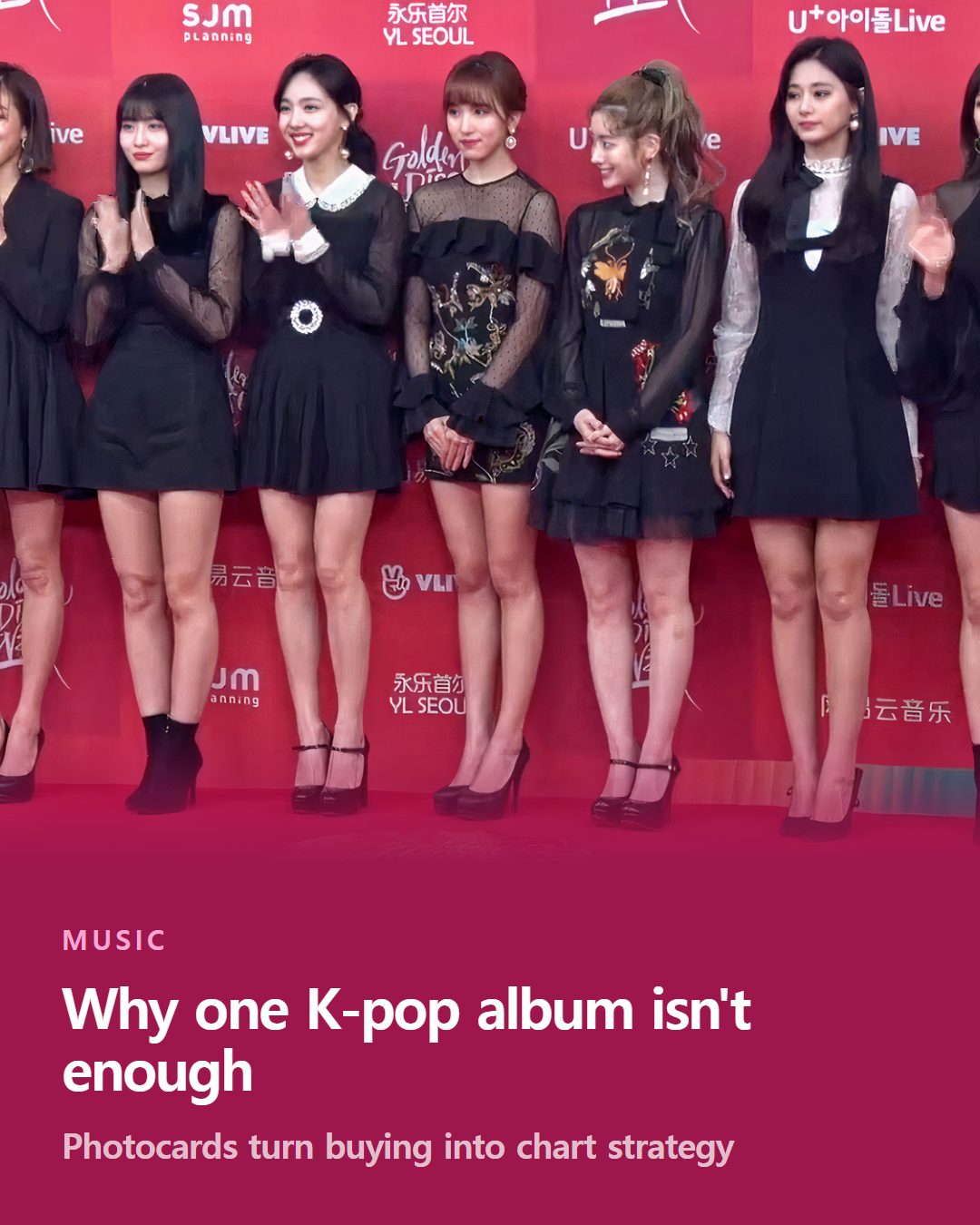
K-pop albums come in multiple versions because photocards and first-week sales feed directly into chart rankings, awards, and an economy fans built around them.
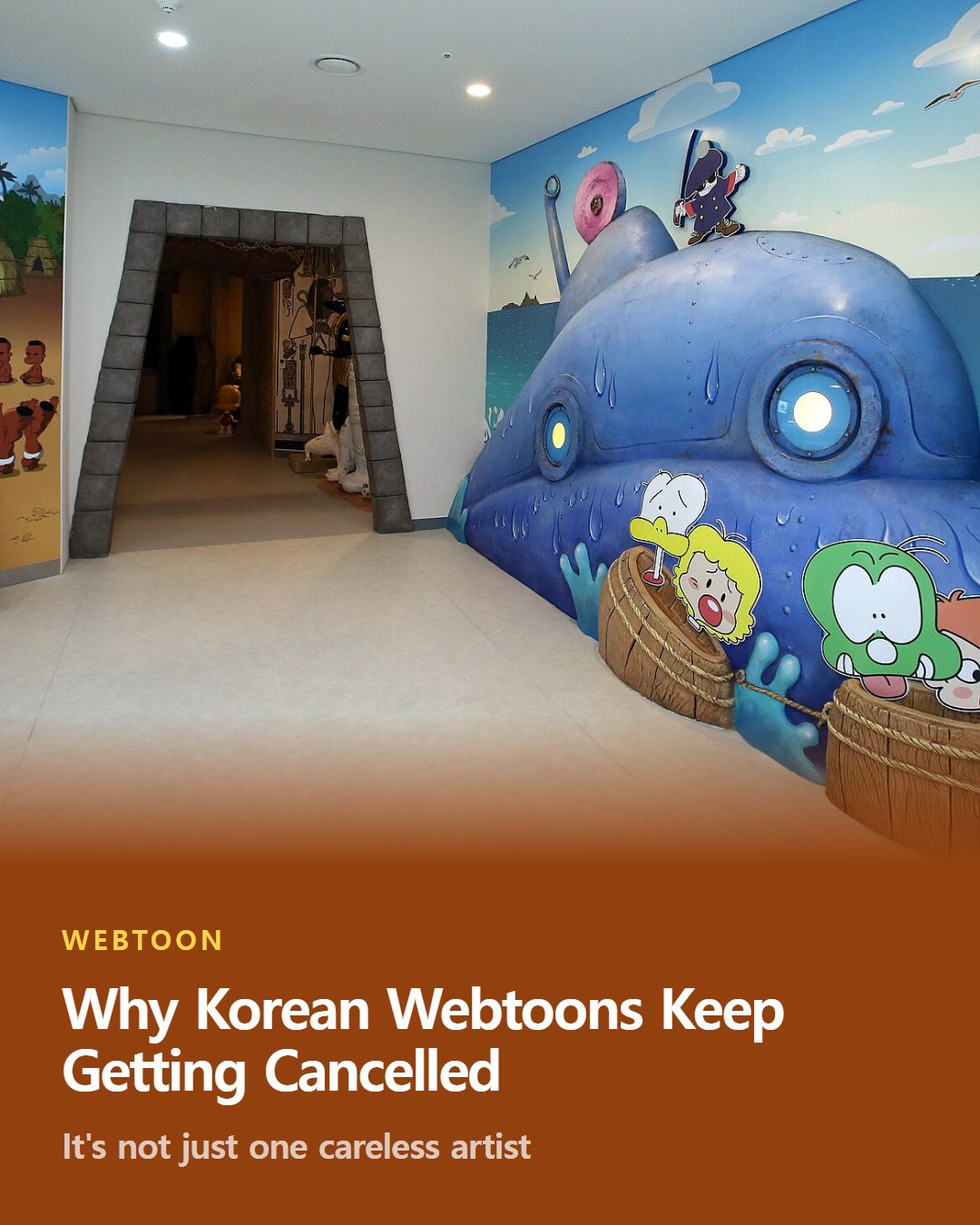
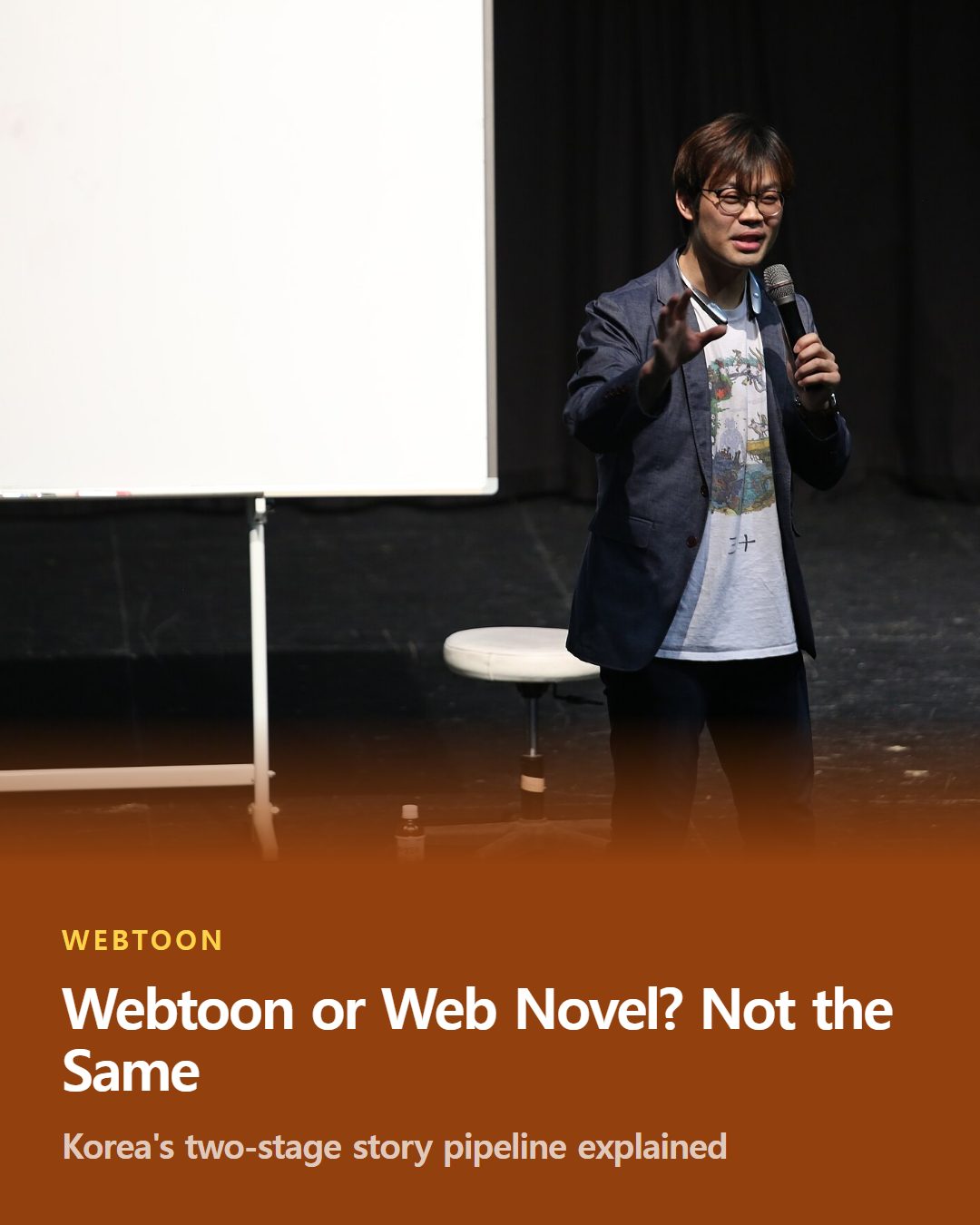
Korea's biggest webtoon hits usually started life as plain text — a two-stage system where novels prove a story works before anyone spends money drawing it.
The vertical-scroll webtoon format was set in the early 2000s on Korean PC web portals, years before smartphones existed — and it happened because Korea, unlike Japan, had no entrenched print comics industry to protect.
Seoul's location-filming subsidy, its door-to-door permitting culture, and district governments competing for tourist traffic explain why K-dramas keep returning to the same handful of streets.
A guide to the legal streaming platforms carrying Korean dramas abroad, and why the same show can look completely different depending on where you live.
International fans see the apology letters go viral; they rarely see the agency-run vetting process, the self-reflection hiatus, and the harsher, more permanent consequences that make Korean celebrity apologies look so different from Western ones.
Nunchi is the Korean word for reading unspoken social cues and hierarchy at once — a single word English has never managed to produce.

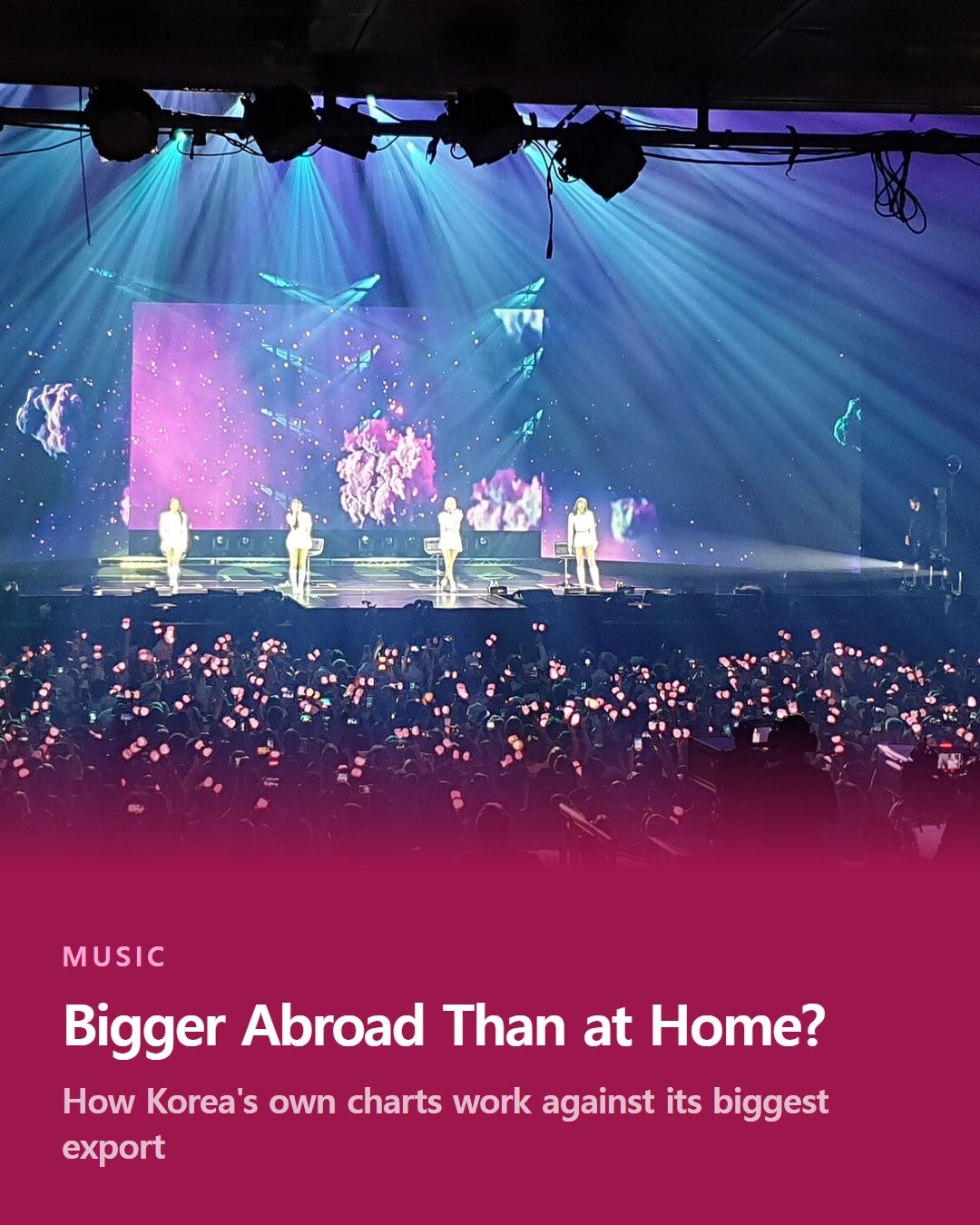
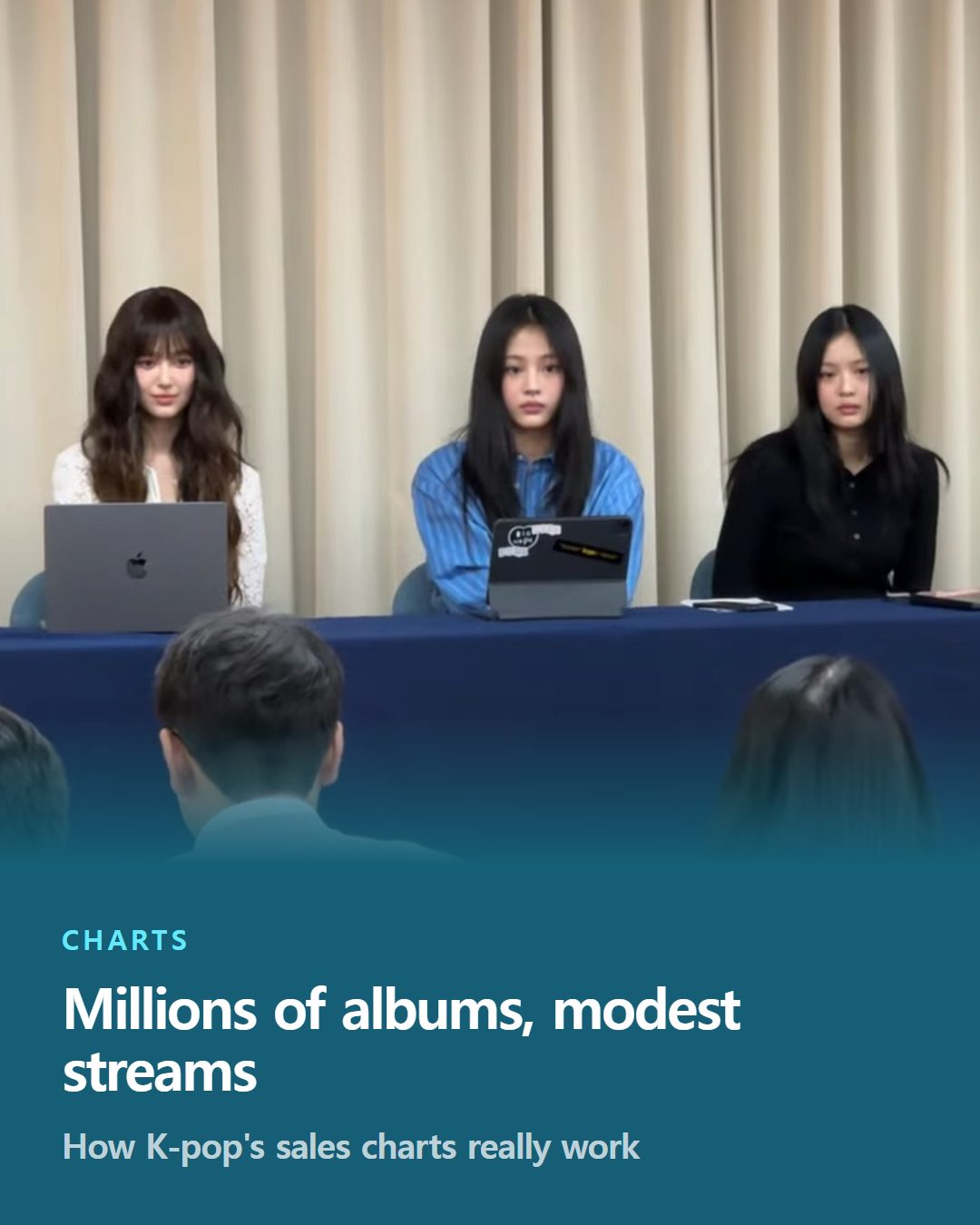
Melon, Circle Chart, and Hanteo Chart each count something different — app streaming, shipment-minus-returns, or real-time physical sales — which is why the same K-pop release can top one chart and miss another entirely.
South Korean law requires almost every able-bodied man, famous or not, to serve 18 to 21 months in the military, and the country treats attempts by celebrities to avoid it as a serious offense rather than a private choice.
Netflix does not own global rights to most K-dramas — it licenses them country by country, which is why the same show can be streaming in Seoul or Singapore and missing entirely in London or Los Angeles.
Korean and American TV ratings use the same basic math but a completely different scale and reporting convention, which is why a hit K-drama's number can look like a flop to a reader used to American headlines.

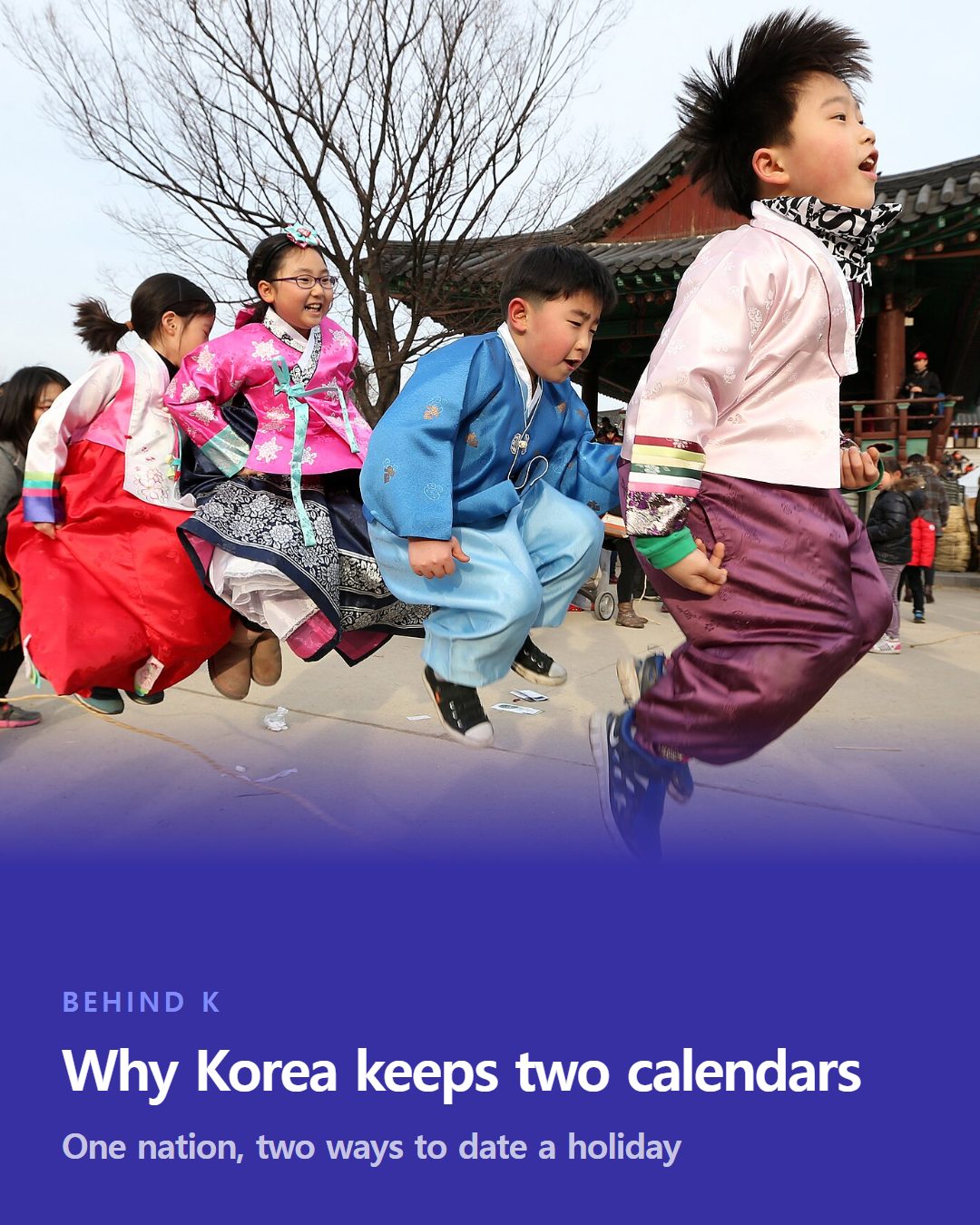
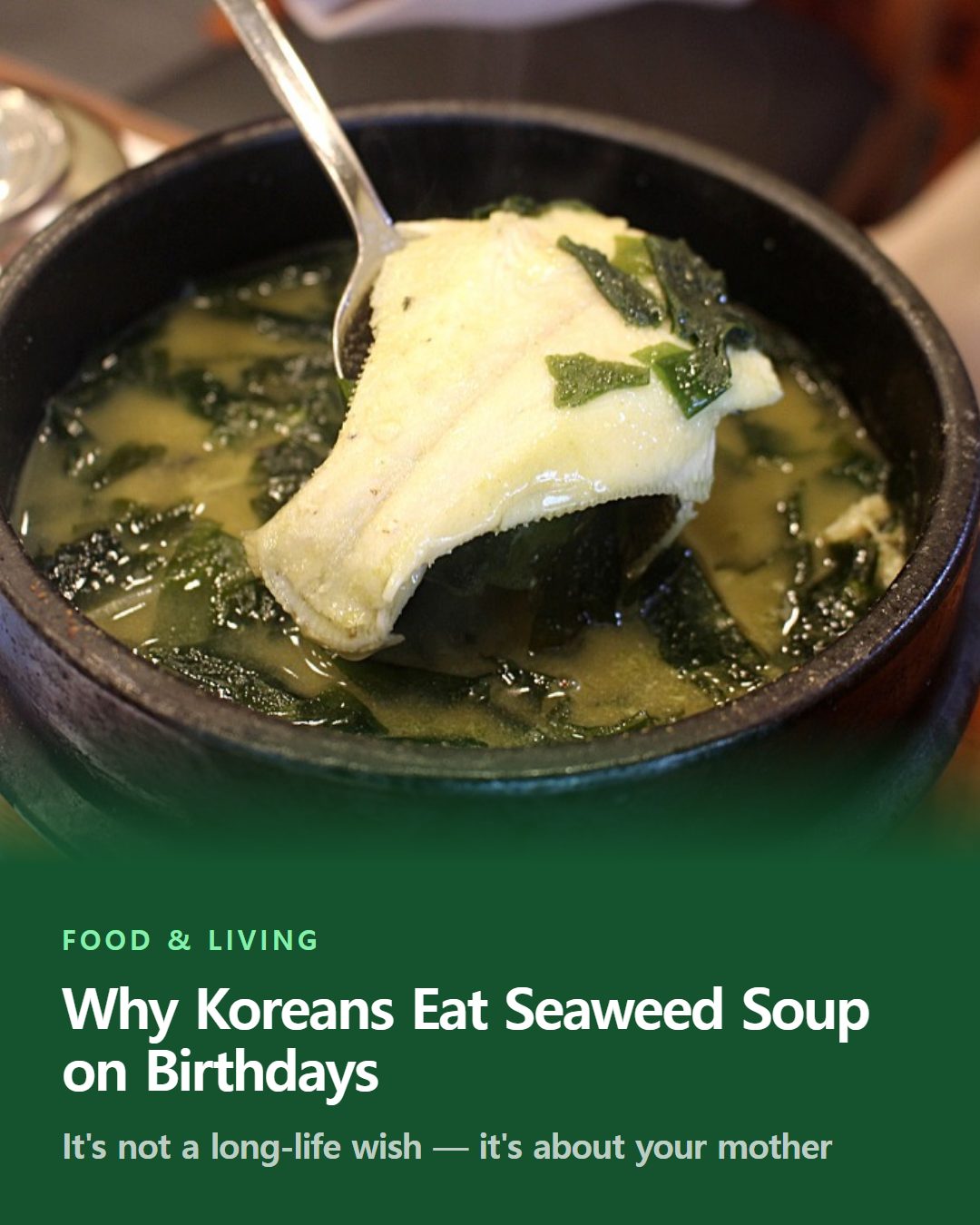
In Korea, the seaweed soup eaten on birthdays isn't a wish for long life — it started as a mother's postpartum recovery food, and eating it is a way of thanking her.
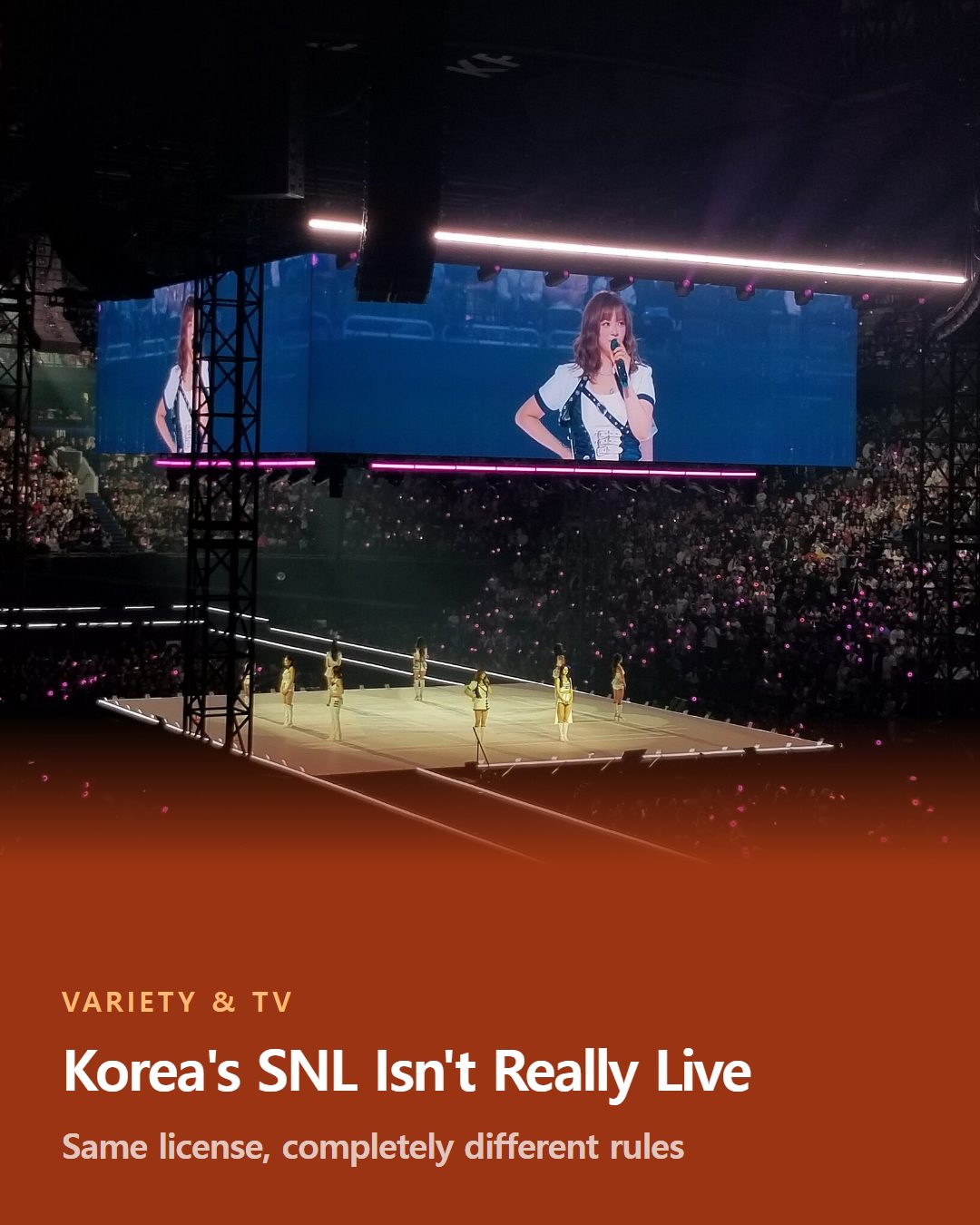
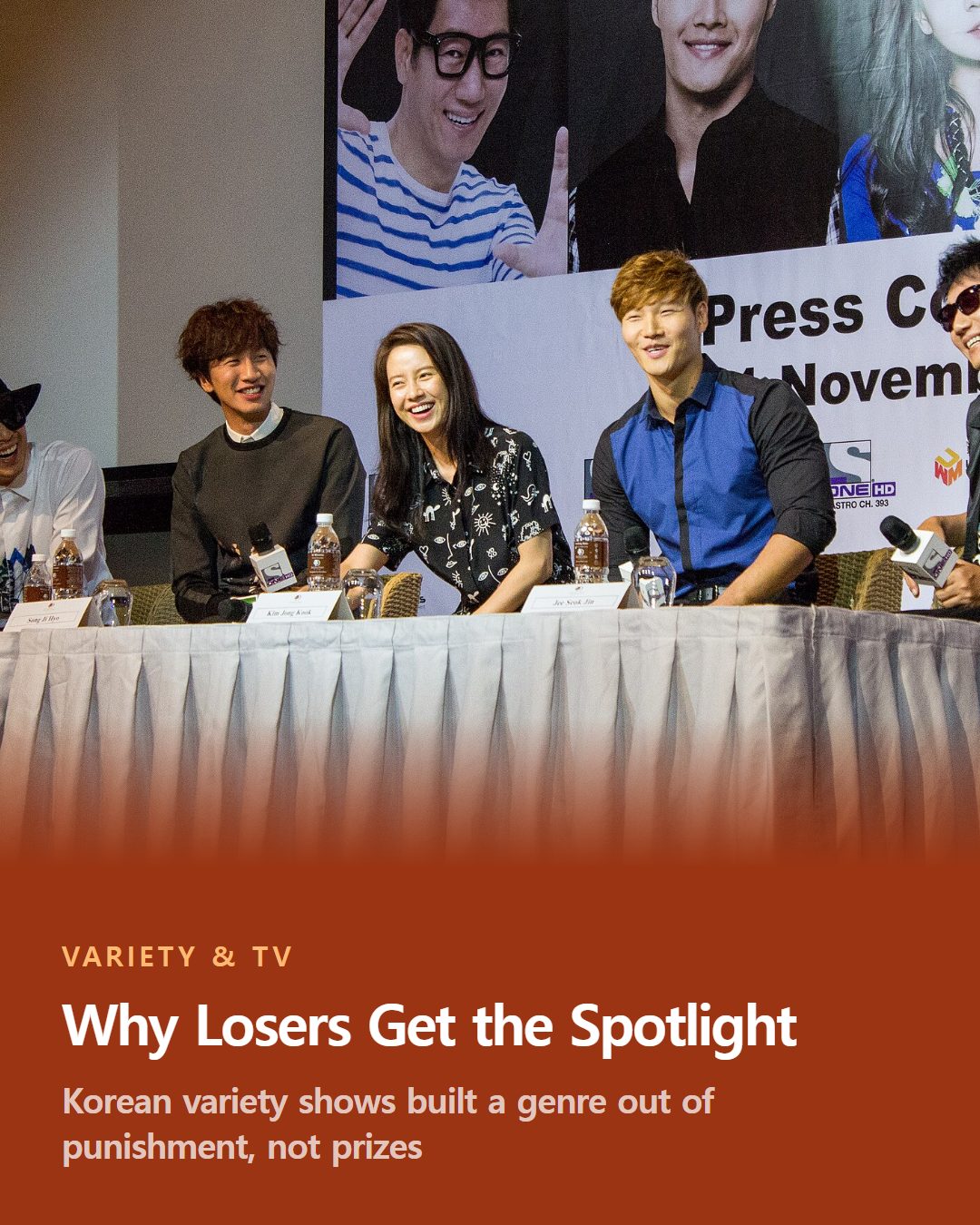
Korean variety television splits into three main genres — mission-based game shows, fly-on-the-wall observation shows, and elimination-style survival competitions — and knowing which is which is the fastest way to figure out where to start watching.
Korean variety shows are usually two productions stitched into one broadcast — footage filmed days earlier, then a studio panel recorded reacting to it — and understanding that split explains a habit that confuses many first-time international viewers.
Age was nothing more than a number. Young man! Get up, this instant! When an elder is standing, you ought to know to offer your seat— the impudence, the sheer lack of manners! · I look back and ask myself— have I not, at times, been just such an elder? — The…
Aegyo is not a synonym for 'cute' — it is a codified, teachable performance with its own songbook, grammar, and gender politics that international fans usually see only as a cringe-inducing variety show ritual.
The sesame oil and the peanuts were both from China. The goods the old women sell, huddled side by side — now I doubt them all. Beyond the city limits, a five-day market opens. Vegetables fragrant with spring line the stalls. Some come for the pleasure of…
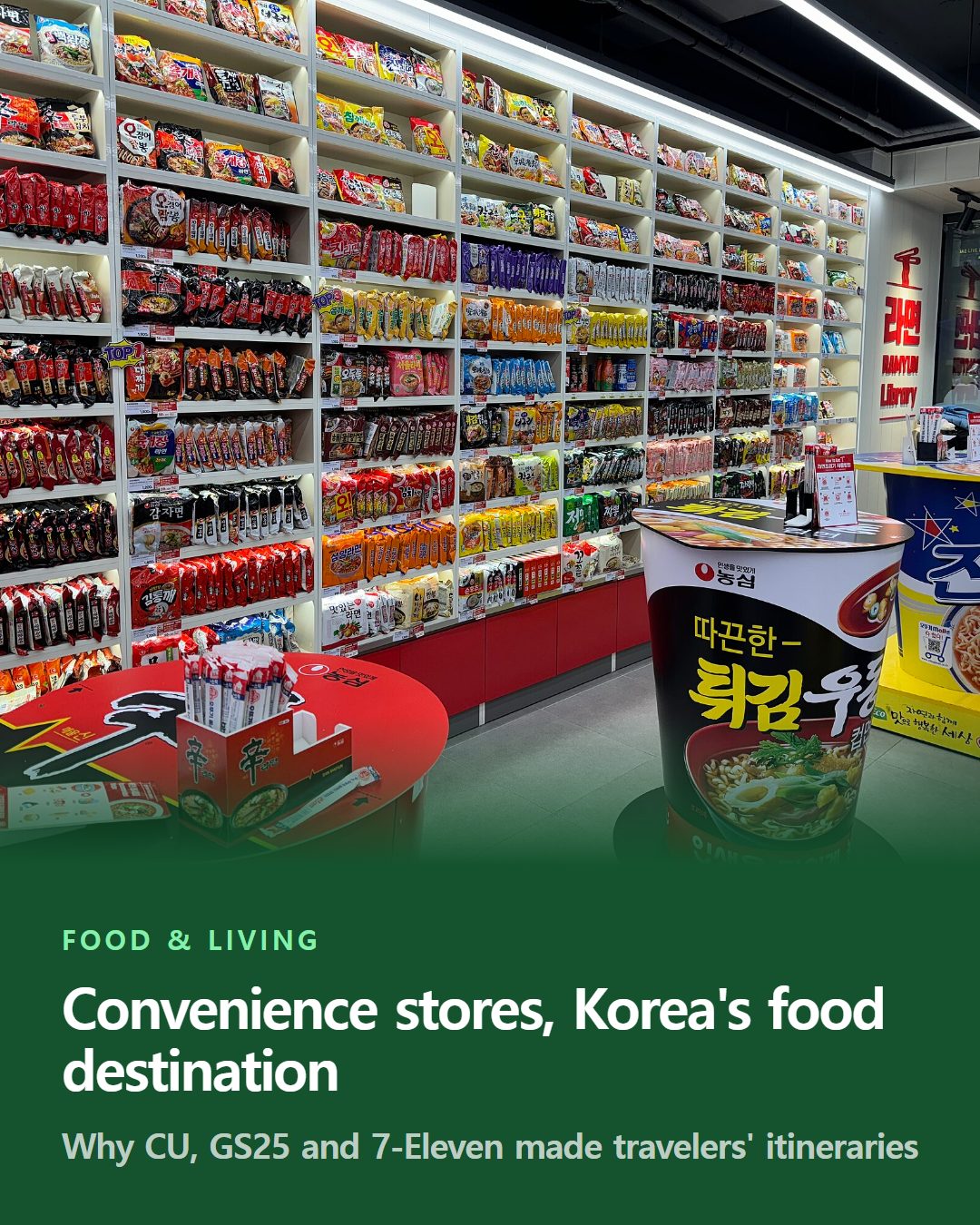
Why international visitors now plan trips around CU, GS25 and 7-Eleven, and what the triangle kimbap and hot-water dispenser actually mean in Korean daily life.
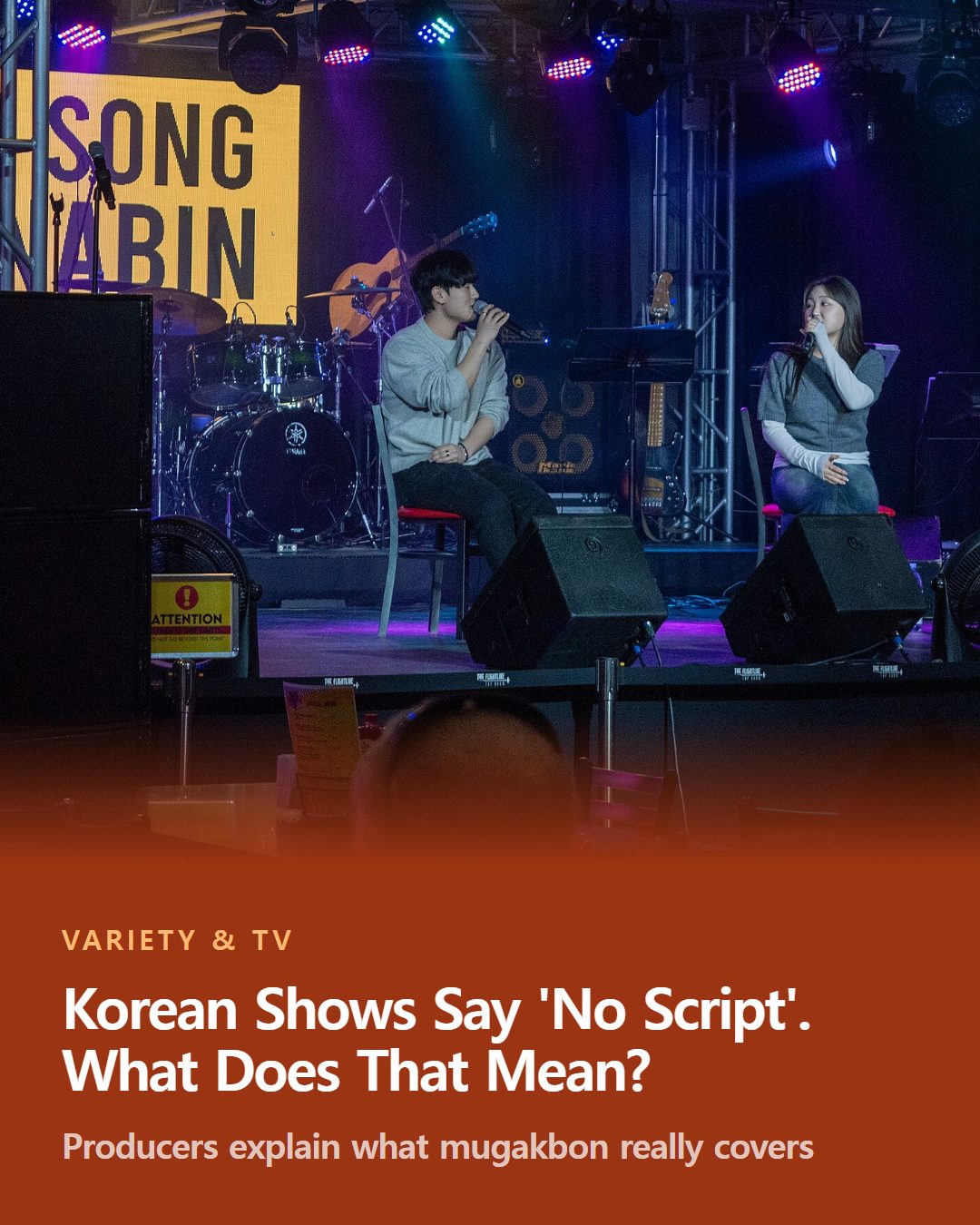
Korean producers openly admit their 'no-script' shows follow a designed outline of situations and rules — here is what mugakbon actually means, and why the distinction changes how you should watch.
"Mommy is going to die!" A page from the daily life of the television personality Jang Yoon-jung is filled with a story of love that tugs at the heart. One day in her home, a fresh spring breeze drifted in through the window. Carrying the family's happiness…
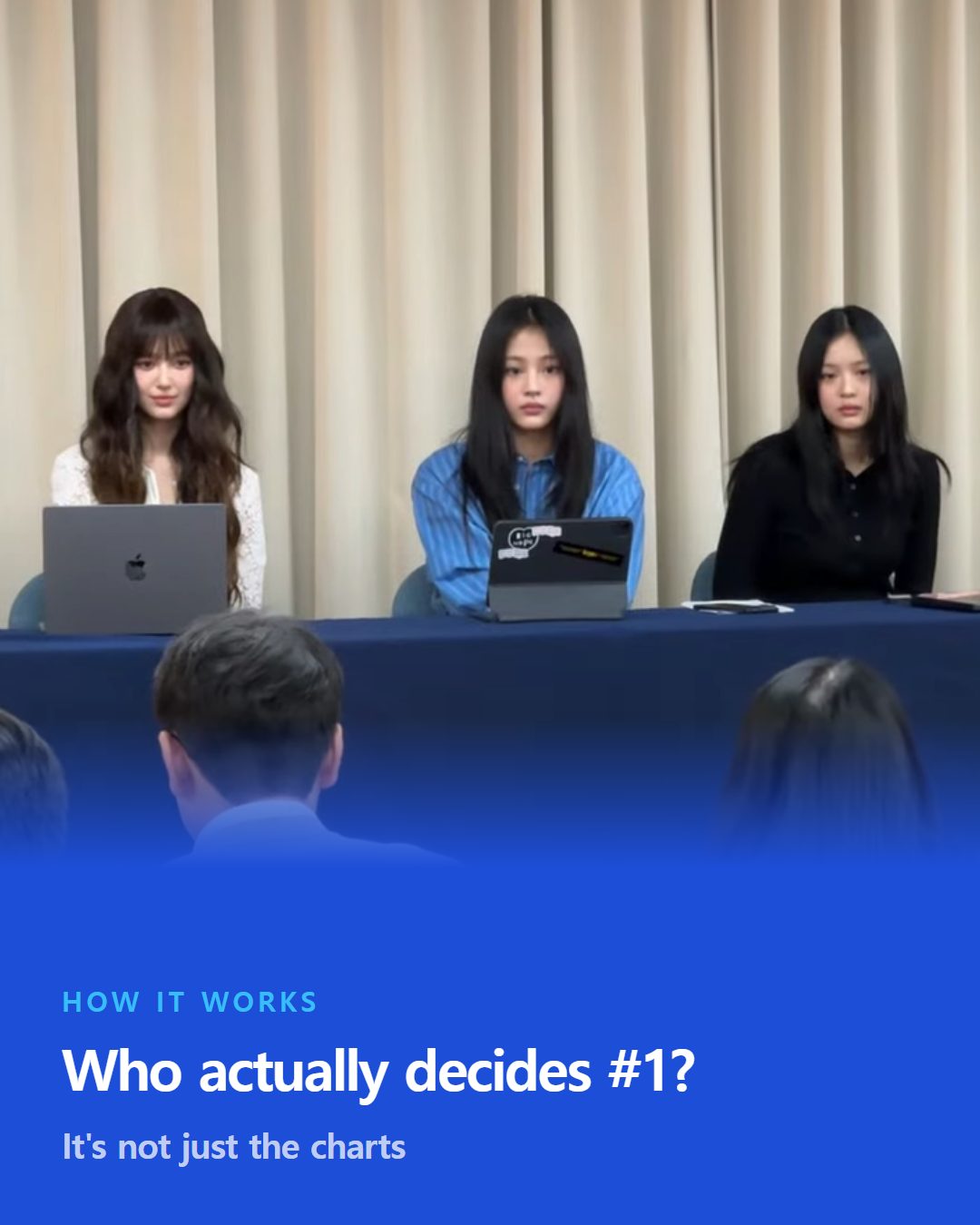
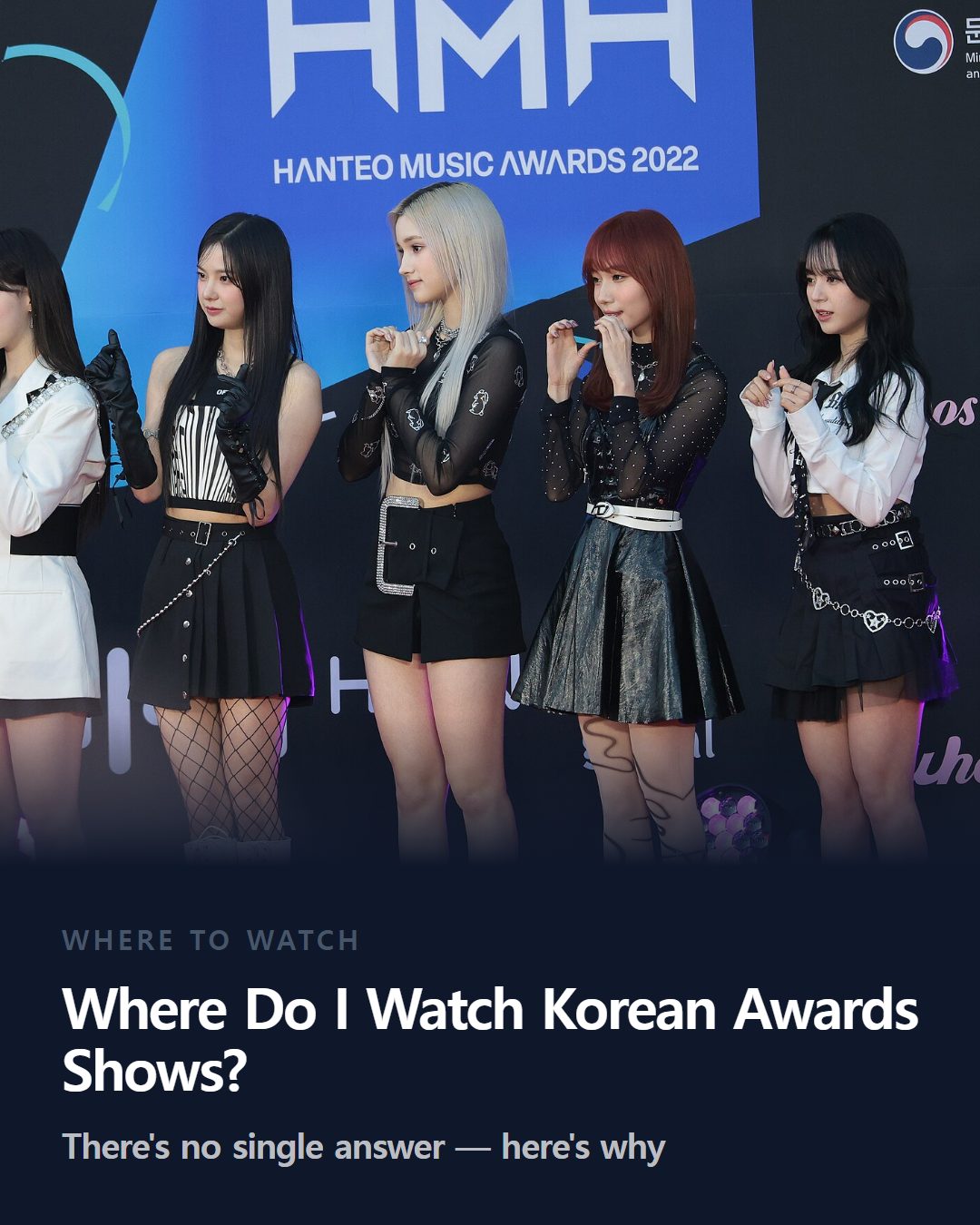
A breakdown of the digital sales, physical album, broadcast, and voting formulas that decide who wins Korea's weekly music show trophies, and why fandoms mobilize so hard to move them.
Harvard students, and those living on borrowed time. I am sharing quiet conversation with a high school friend at a serene café on the edge of town, the air laced with the scent of coffee. We are, as always, sparing with words. Meeting him is, in a word, an…
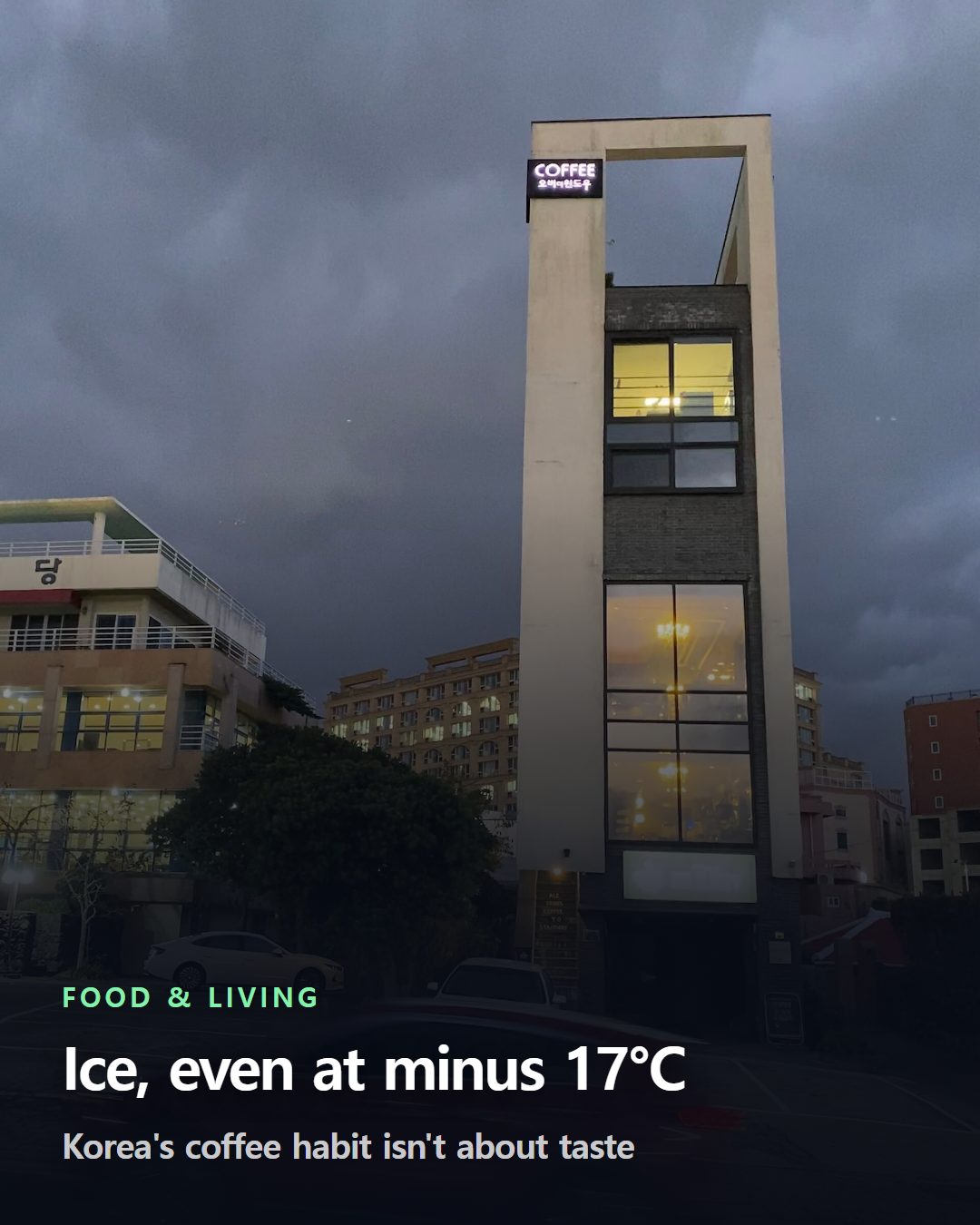
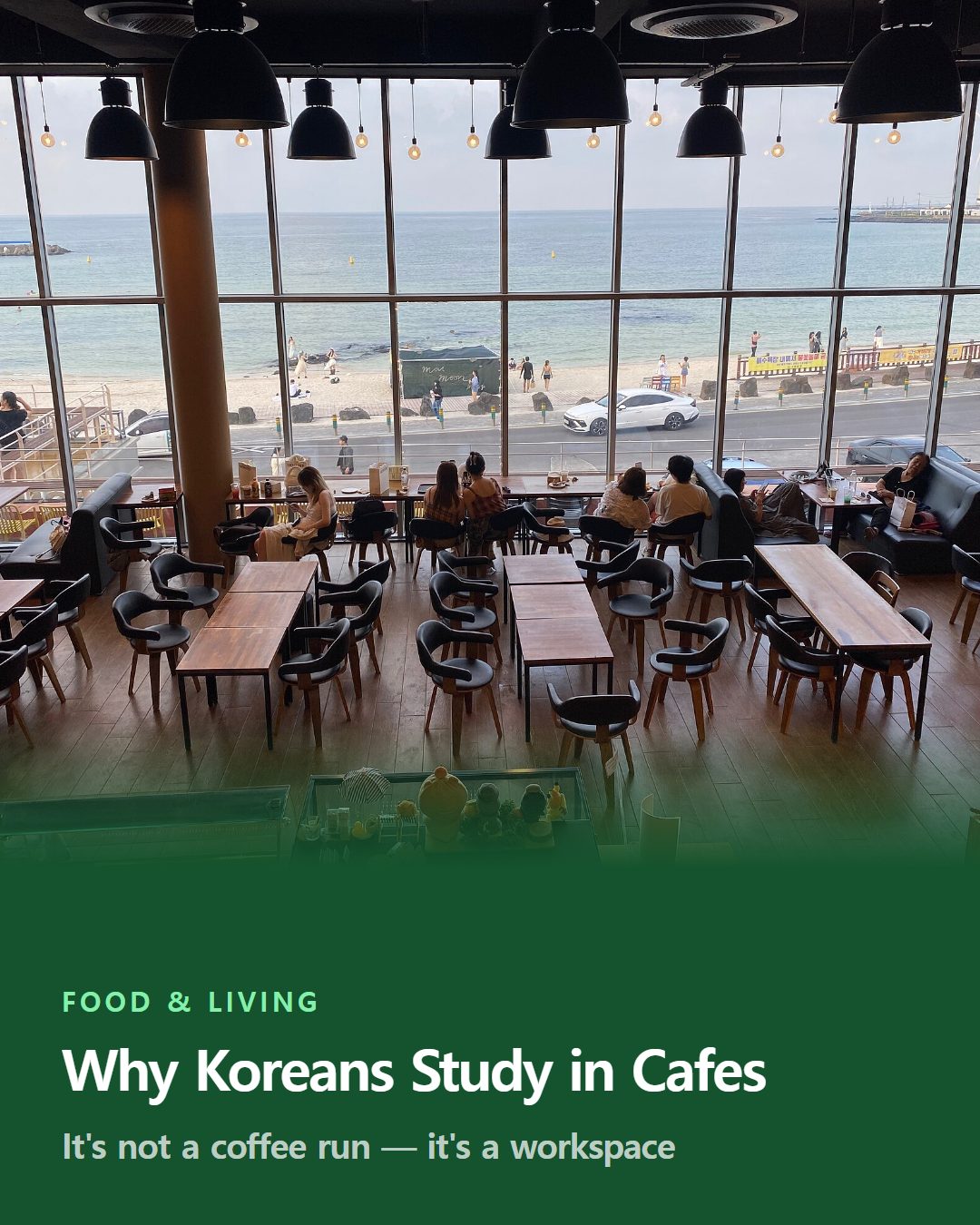
Korea has more cafes per person than almost anywhere on earth, and understanding why explains a recurring backdrop in K-dramas and a very Korean way of using public space.
그는 우리의 작은 성자였다 He was our little saint. "모두 책가방 책상에 올리고, 눈감고 두 손을 머리에 올려라" "Everyone — bookbags up on your desks, eyes shut, both hands on your heads." ㅡ 나는 아직 그 시절을 잊지 못한다. I still cannot forget those days. "모두 머리에 손 올리고 눈감아라" 우리 반 한 친구가 필통을 분실했다. 범인은 분명히…
Korean has four different words for an older sibling depending on who is speaking, and English subtitles usually erase the distinction into a first name.
동생은 판사가 되어 처가에 갔다 The younger brother became a judge and went off to his wife's family. 주정뱅이 아버지는 술로 죽게 되고, The drunkard father died of drink, 한평생 그 남편에 시달린 엄마는 정신질환을 앓고 and the mother, worn down a whole lifetime by that husband, fell ill in her mind, 그렇게 나간…
Why a K-pop idol can be criticized for calling a legend "Mr. Seo" instead of "sunbae" — and how the same senior-junior rule runs schools, offices, and idol groups across Korea.
"I only gave you extra because the rolls had split open." "Oh, please, don't mention it!" "The gimbap had split, that's all — so I slipped in a piece or two more." — This happened long ago. On winter dawns when the cold came driving down hard, I used to buy…
The gentleman was humble. Long ago, Confucius said: "It is not easy to be poor and yet resent neither Heaven nor one's fellow man. But it is harder still to possess much and not grow arrogant." We are prone to think this way: when want presses too hard upon…
A guide to the years-long, unpaid, and legally fraught process that turns a teenager into a K-pop idol — and why most trainees never make it to debut.
The pencil stub is still waiting for me. We sometimes take great joy in small things — and those small things are so often the memories of long ago. Everyone remembers the games they played with a dear childhood friend, or how it felt to fall in love for the…
The structural, economic reasons why Korean streaming dramas increasingly start as webtoons instead of original scripts — and why the platforms that own the comics now insist on producing the shows themselves.
"Mommy and Daddy are right here — don't you worry." A scene I witnessed at the park last weekend still lingers before my eyes. A young couple, beautifully dressed, strolled along with graceful smiles. The stroller they were pushing gleamed dazzlingly, as…
How Korean agencies, producers, and sometimes fans pick the single song that will represent an entire K-pop album, and why the rest of the tracklist barely gets promoted at all.
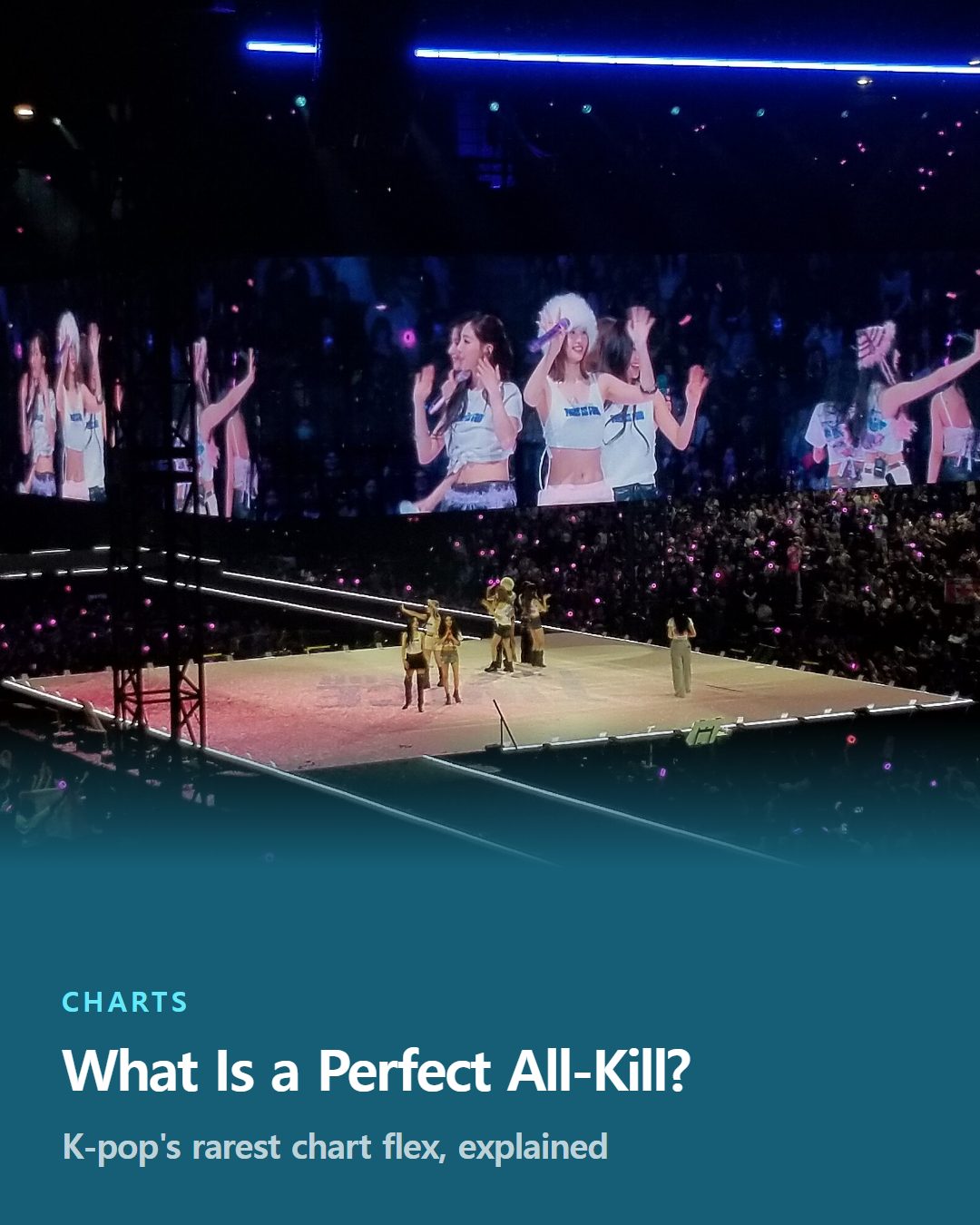
A perfect all-kill sounds like routine K-pop hype, but only four songs earned the real thing in all of 2025 — here is what the term actually measures and why it is so hard to fake.
A weekly No. 1 on Music Bank or Inkigayo is decided by each broadcaster's own formula of streaming, album sales, airtime and voting — not by who actually topped Korea's real streaming charts that week.
Korean critics dismiss 'makjang' dramas as trash even as they break the country's television ratings records — here's what the word actually means and why the contradiction is the point.
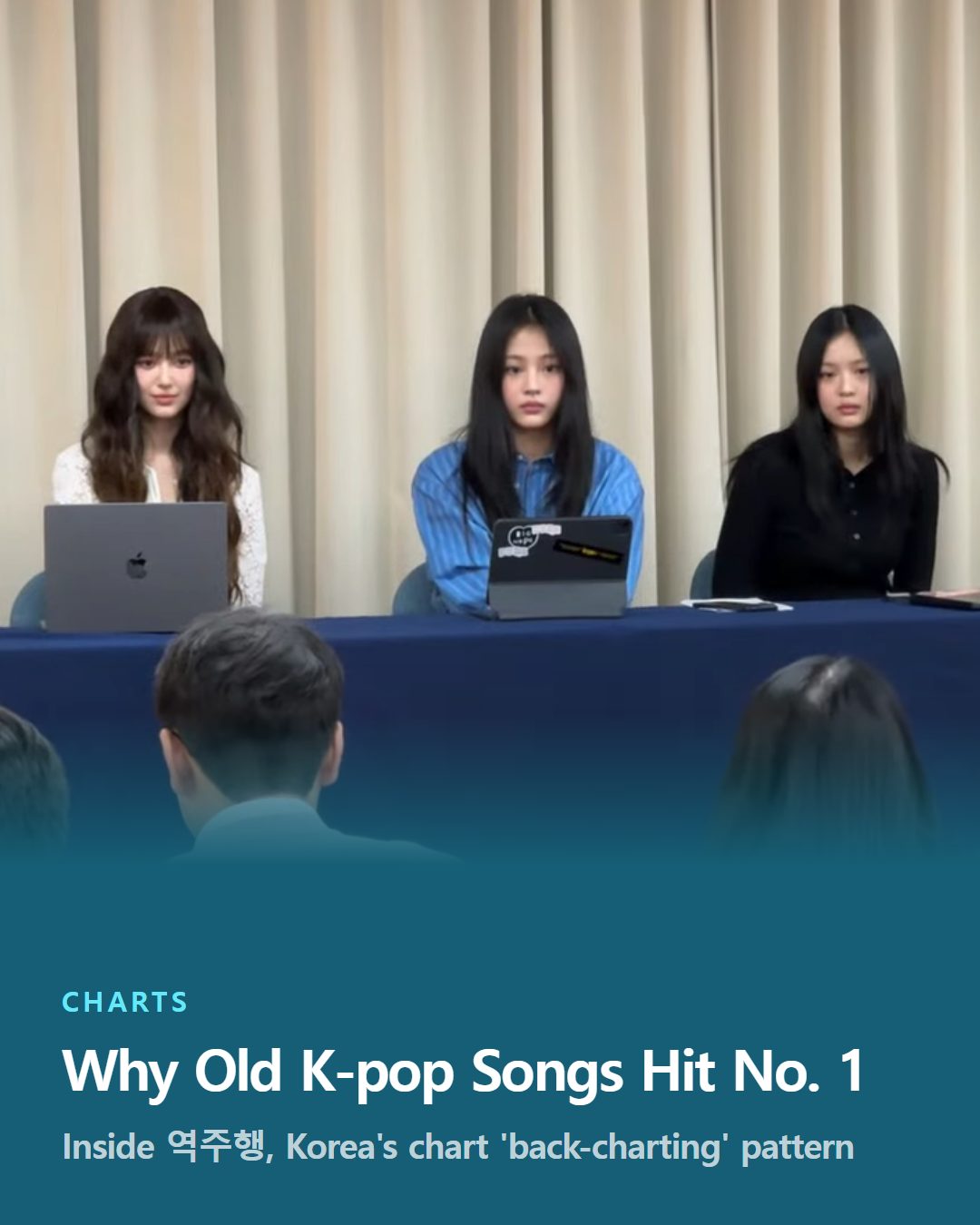
An explainer on 역주행 ("back-charting"), the recurring Korean chart pattern where a song ignored at release suddenly hits No. 1 months or years later.
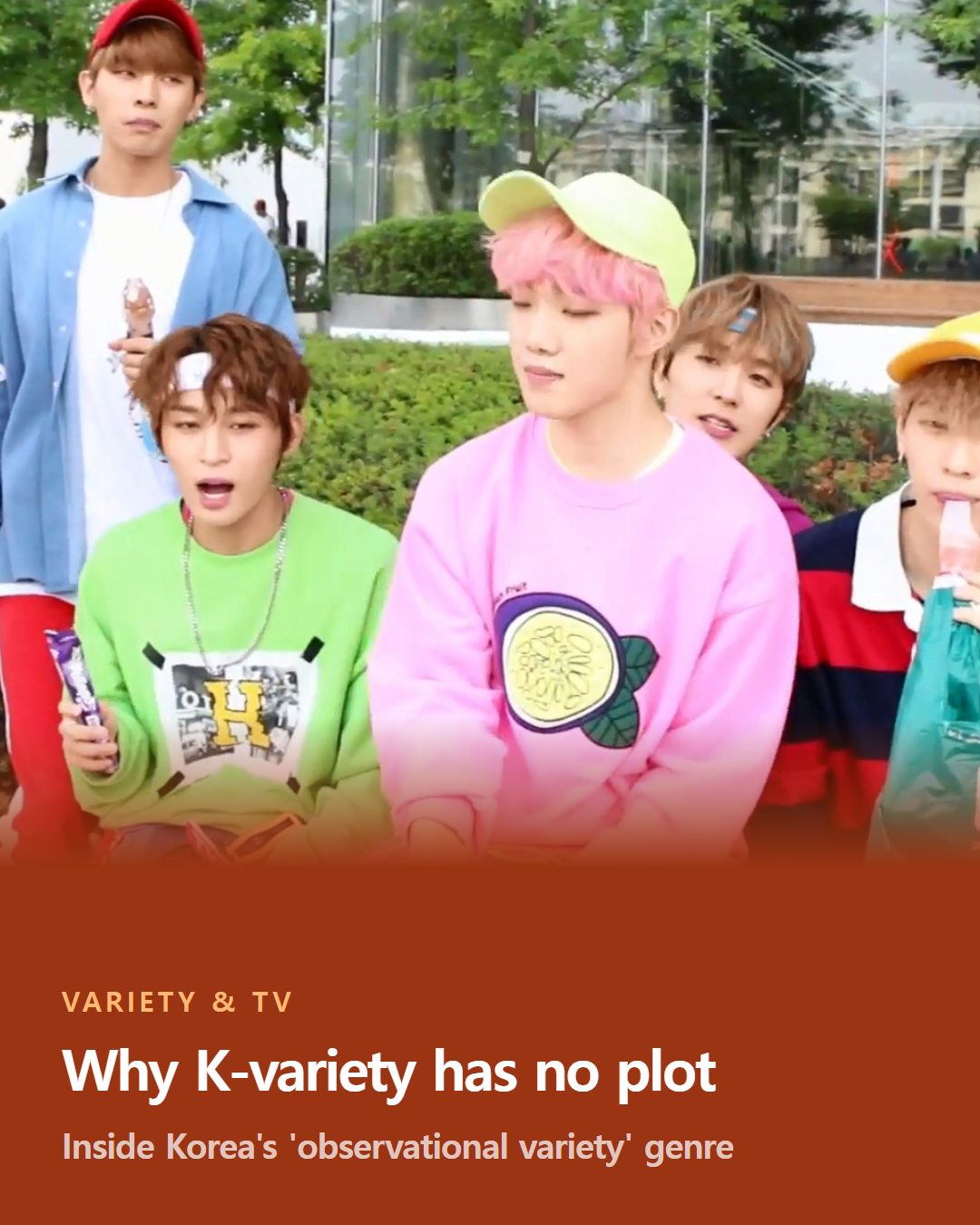
A guide to 'observational variety' (관찰 예능), the hidden-camera-plus-studio-panel format that dominates Korean television and works on entirely different rules than Western reality TV.
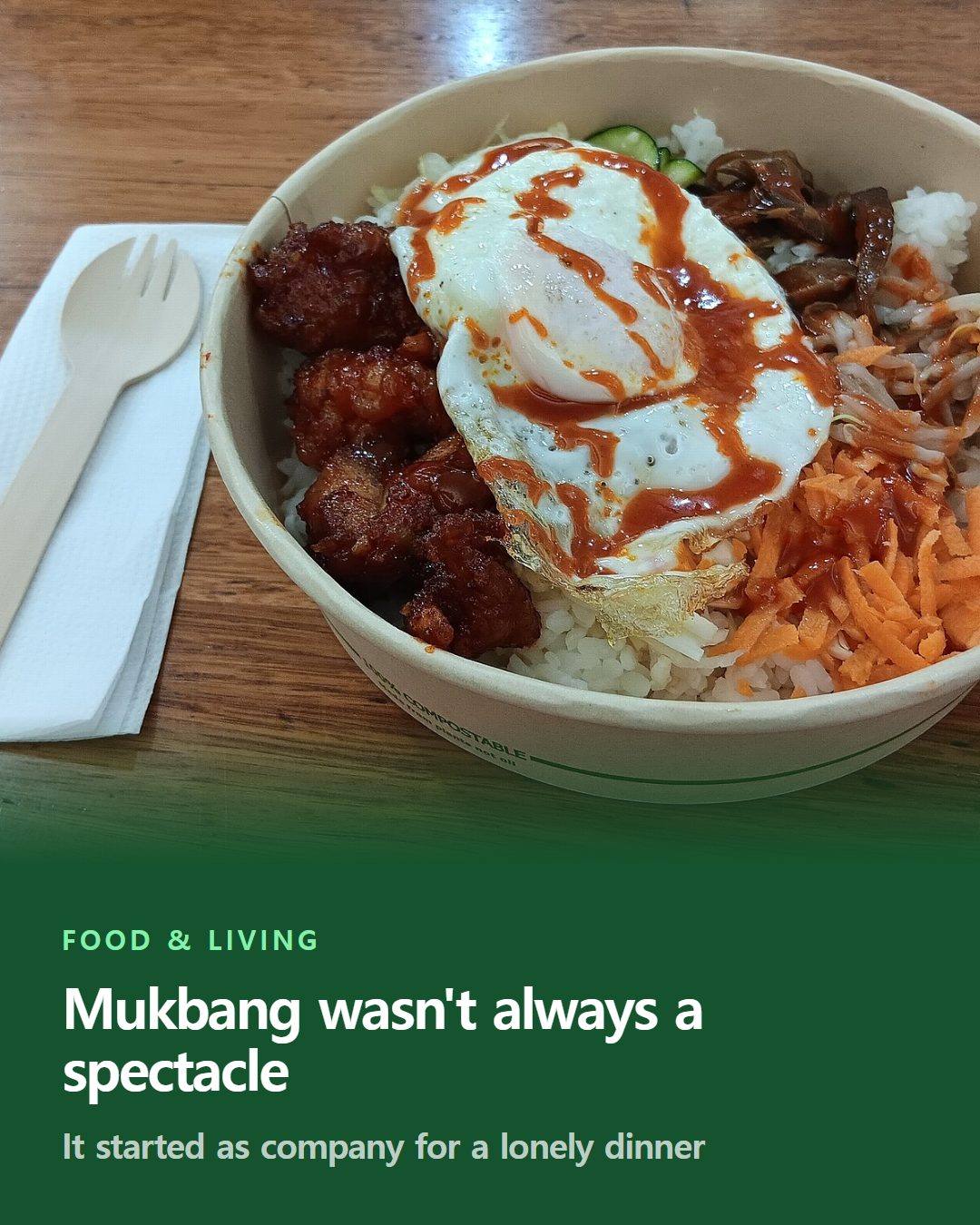
Before mukbang meant competitive-eating spectacle on YouTube, it was a low-key Korean livestream format built to solve a specific problem: eating alone.
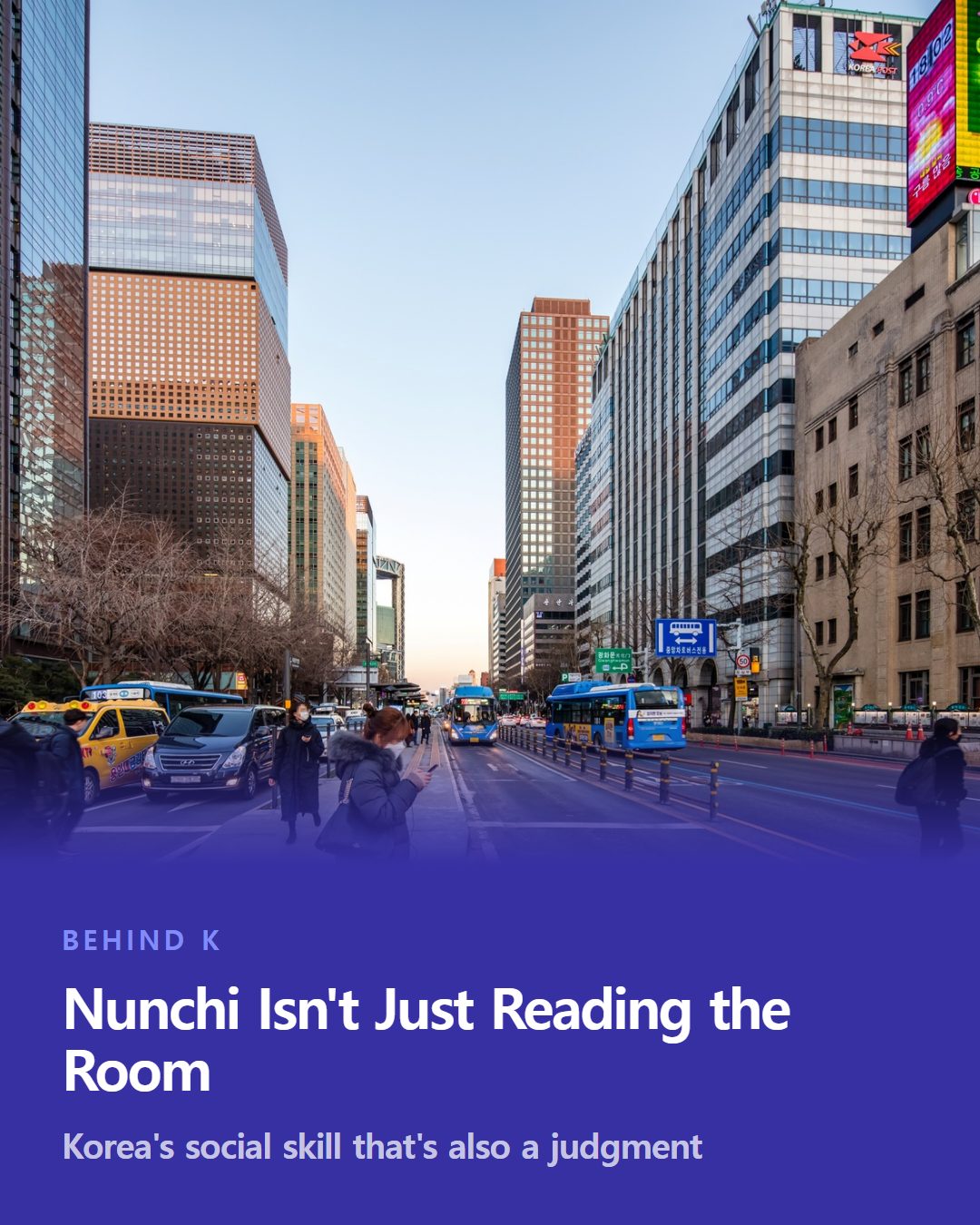
Nunchi gets flattened to 'reading the room' in English, but the Korean concept also demands you act on what you notice — and being seen to lack it is a real social judgment, not just a personality quirk.
Korean films and Korean dramas are sold to the world under two completely different systems, which is why the same movie can stream instantly in one country and stay unavailable in another for years.
In Korea, 'sunbae' and 'hoobae' rank people by when they joined a school, company, or group — not by age, which is why a K-pop idol can be years older than their own senior.
A source-checked guide to the legal apps and channels that carry Korean variety shows abroad, and why they don't follow the same rules as K-dramas.
The reader learns why 'regression' and reincarnation became the default engine of Korean web fiction, and what it reveals about Korean readers' relationship to control, revenge, and a competitive society.
The 'years later' epilogue that closes almost every Korean drama isn't lazy writing — it's a genre-wide promise to the audience, and international viewers can watch how badly things go when a show breaks it.
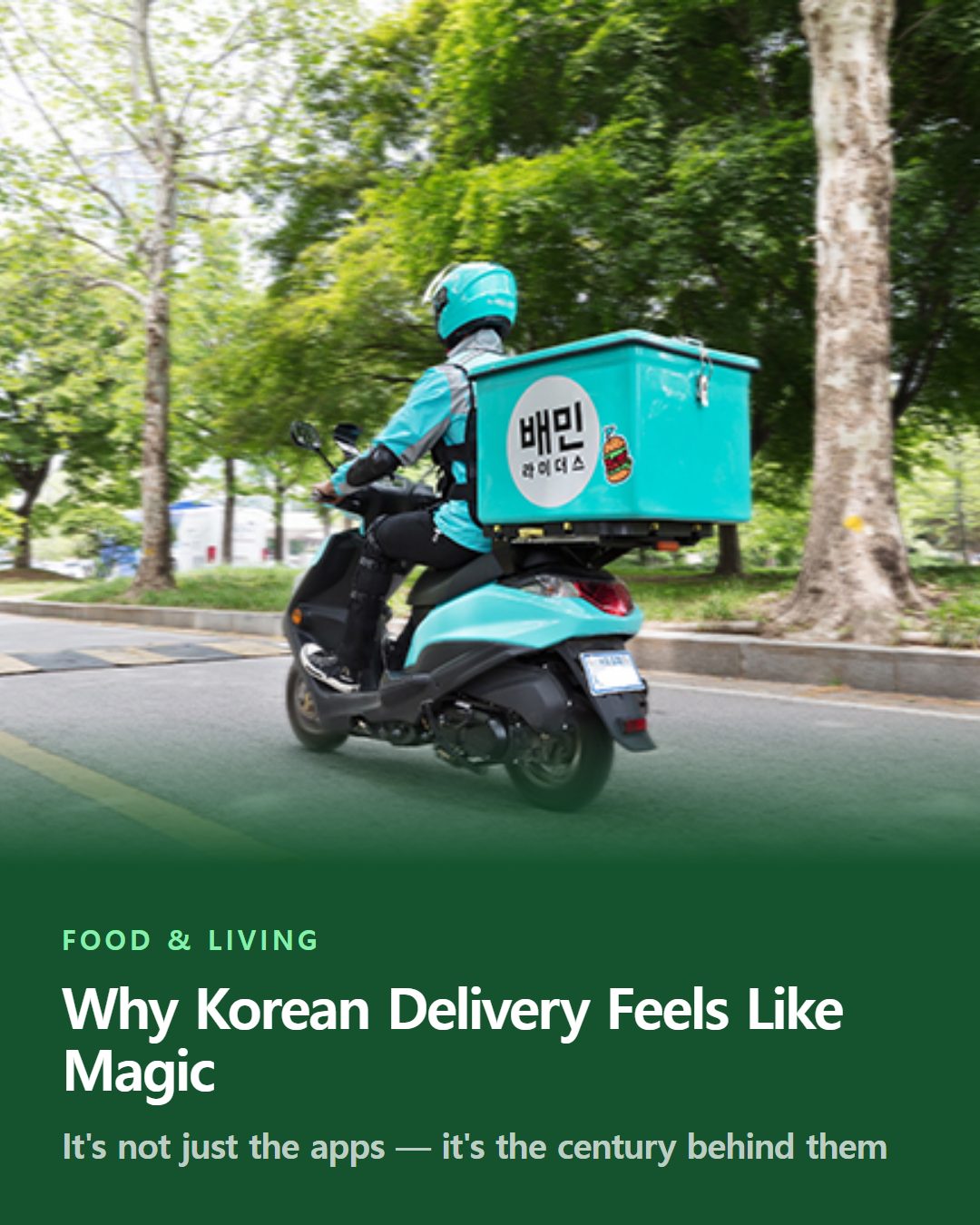
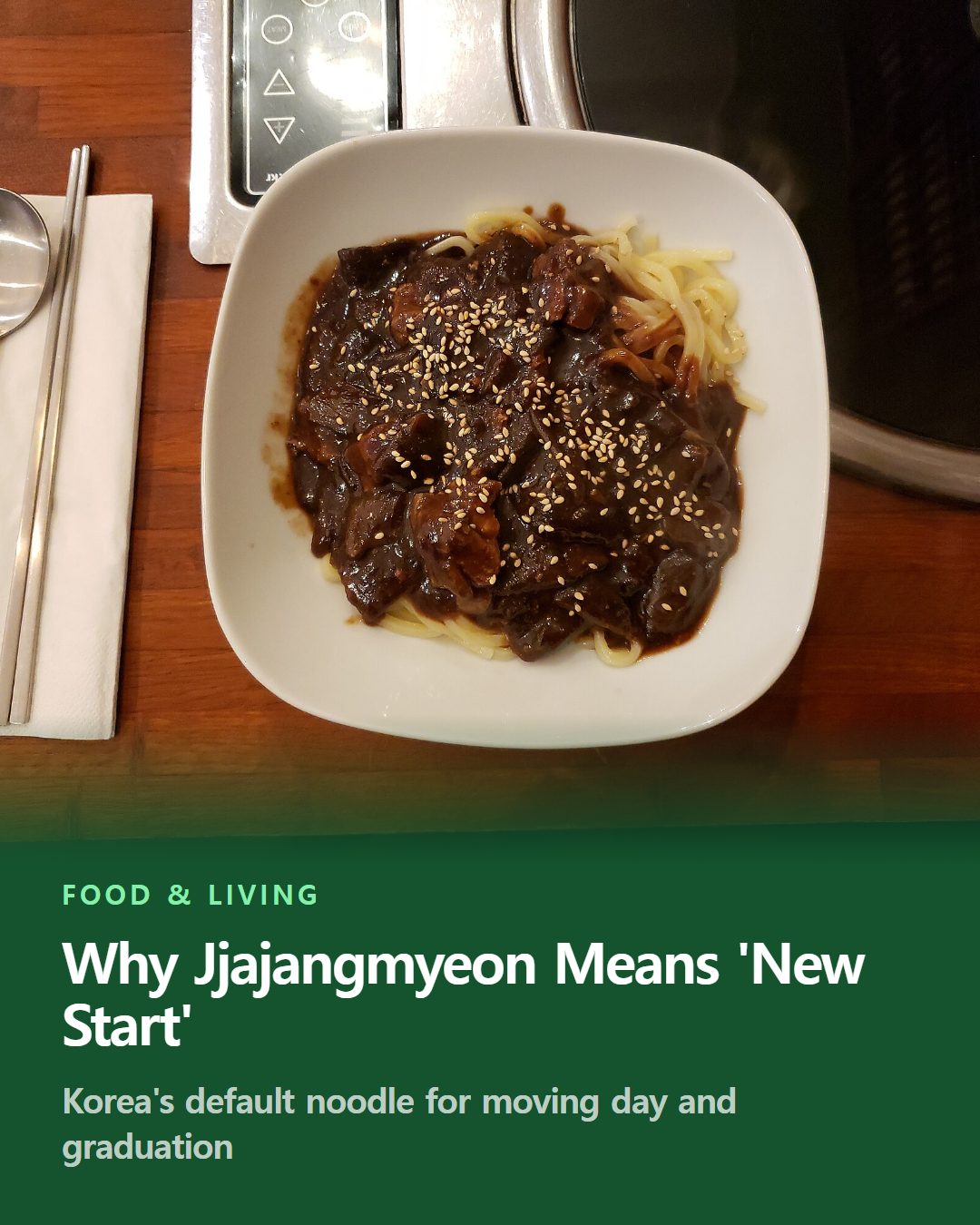
Jjajangmyeon's status as Korea's default moving-day and graduation meal traces back to Chinese immigrant history, decades of restrictions on Hwagyo-owned businesses, and Korea's earliest delivery infrastructure.
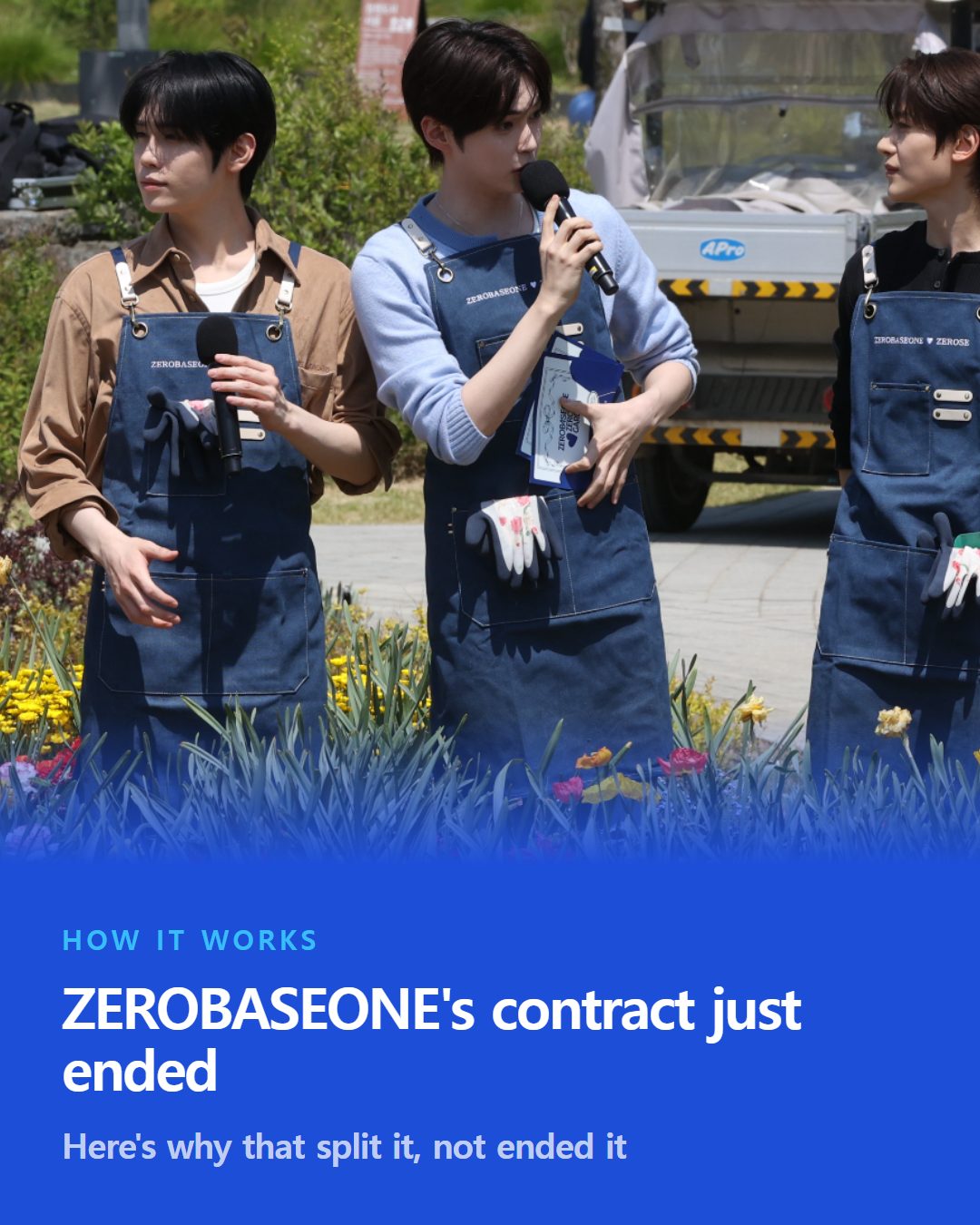
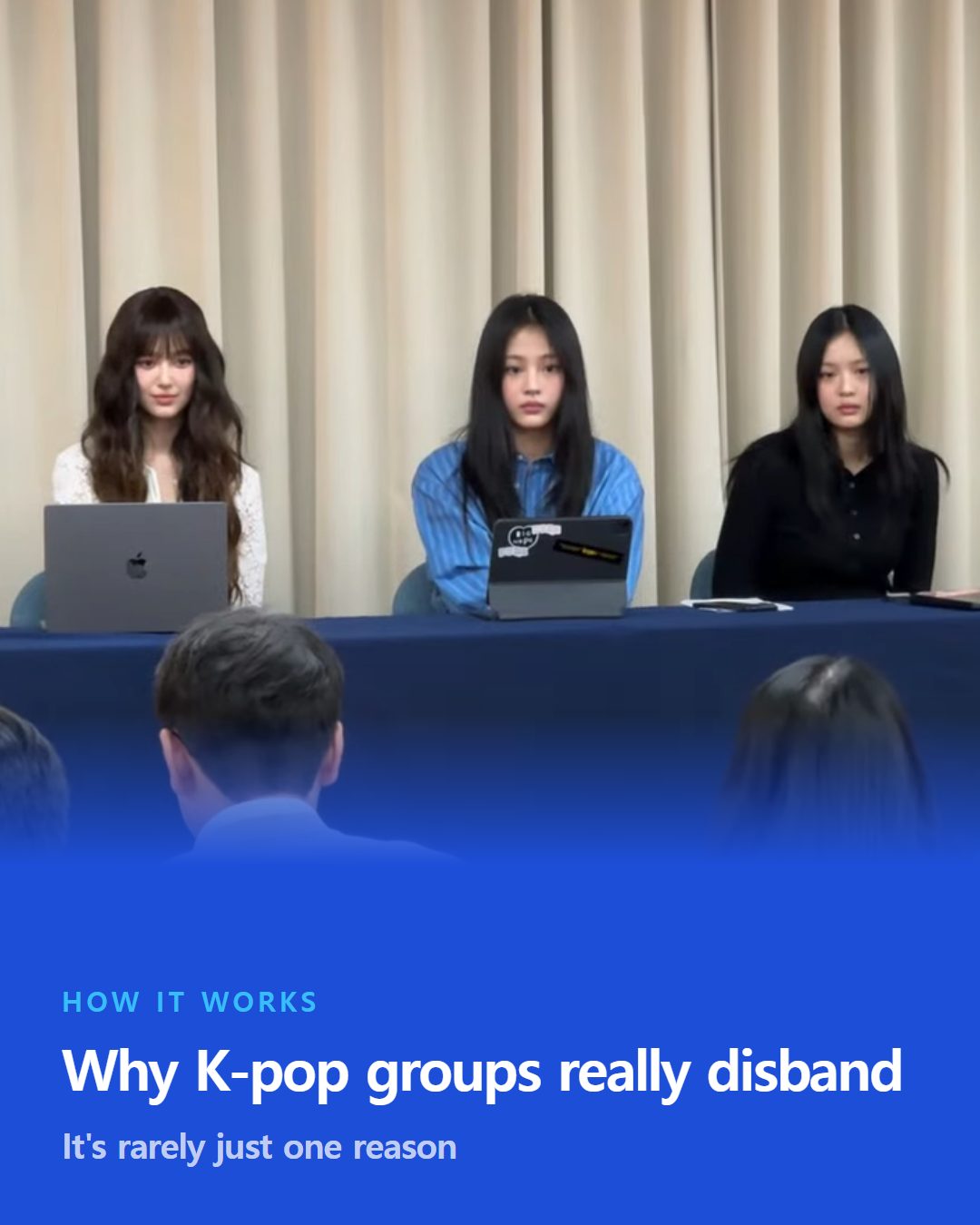
International fans often read a K-pop idol's agency change as a scandal, but in Korea it's usually just a fixed-term contract reaching the date it was always going to reach.
International viewers keep falling for the second lead in Korean dramas without knowing why he's built, structurally, to lose.
Amnesia in Korean dramas isn't just lazy writing — it's a 'no-fault' reset button that lets a melodrama's leads fall in love twice without anyone having to be blamed.
Korean dramas still run on a decades-old twice-a-week broadcast rhythm even as streaming pushes the industry toward fully pre-produced, shorter, binge-ready seasons.
In Korean, politeness isn't a tone of voice — it's built into the grammar, which is why a single verb ending can mark the exact moment a relationship changes.
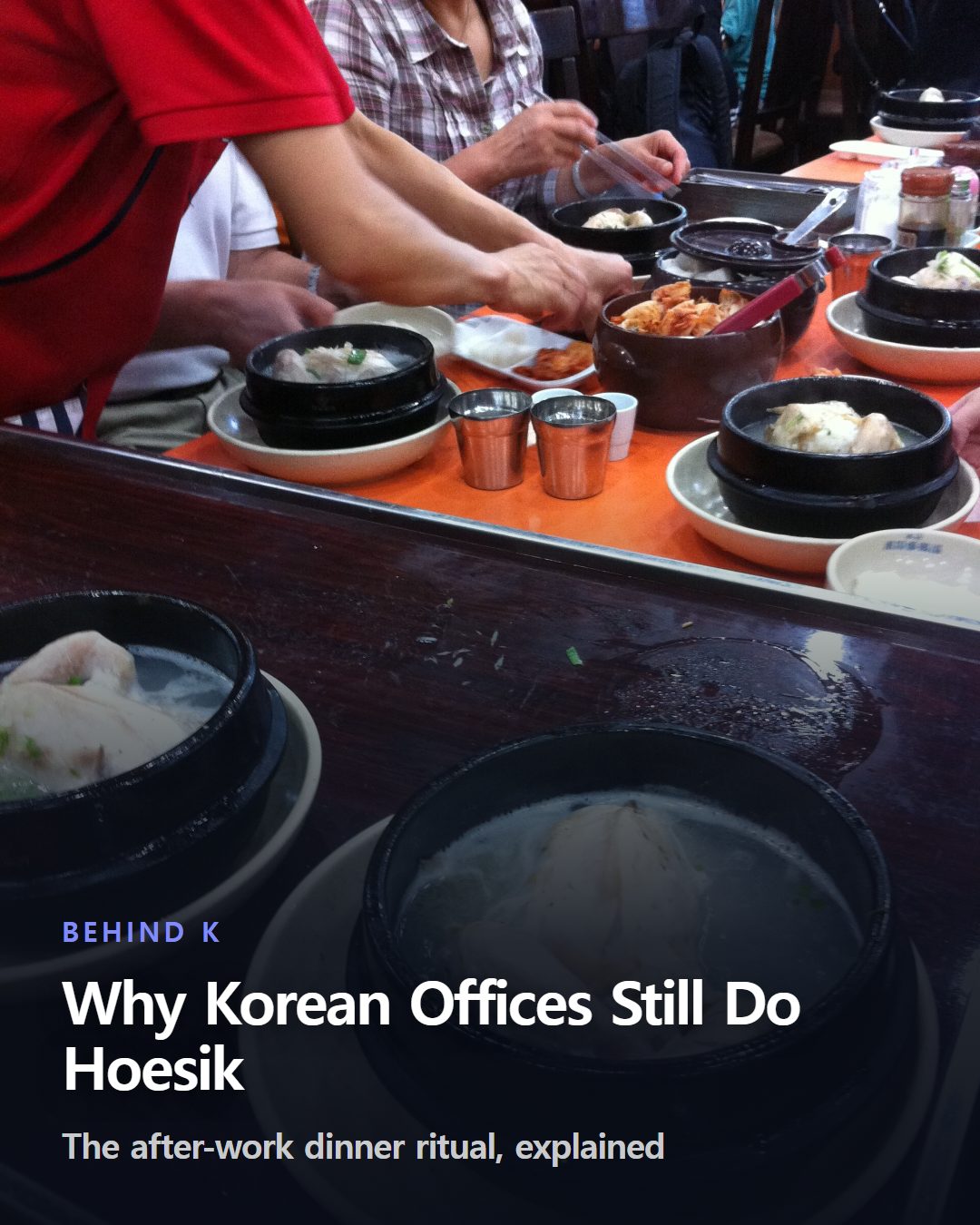
The after-work dinner scene that keeps showing up in K-dramas and variety shows is a real, changing workplace institution, and knowing why it exists explains what those scenes are actually signaling.
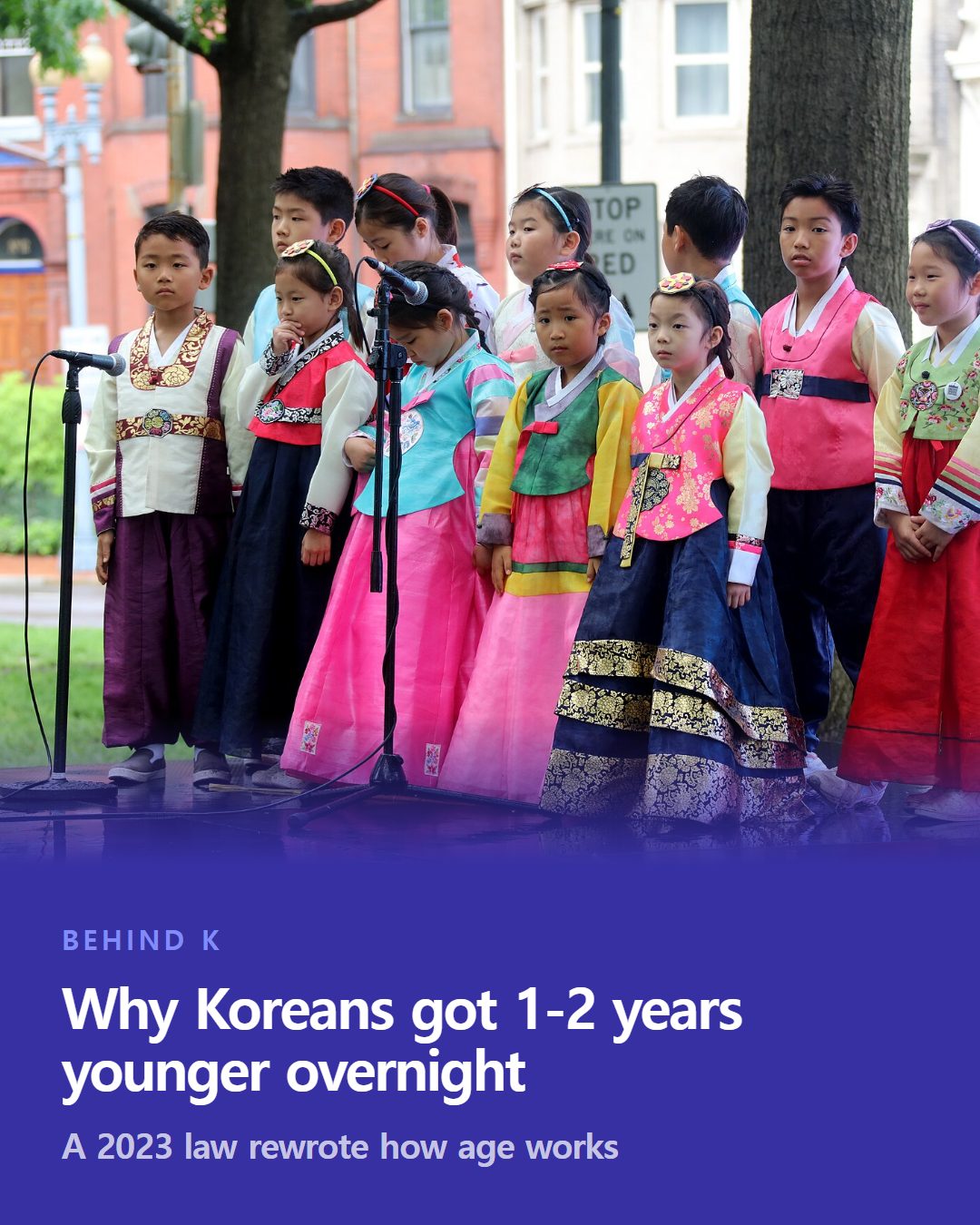
In Korea, asking a stranger's age isn't nosiness — it's how speakers figure out which grammar to use, and the practice survives even after the country changed its legal age system.